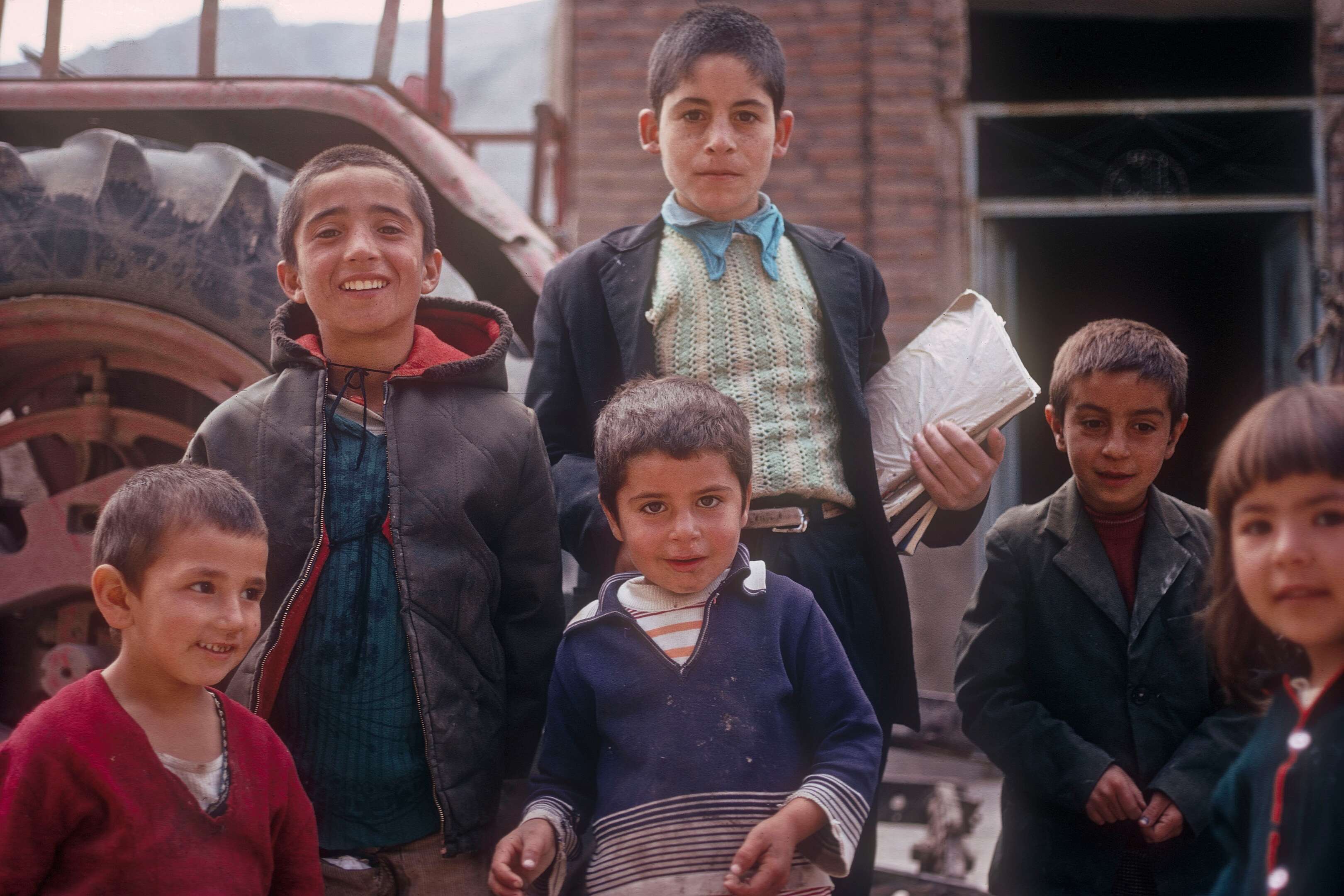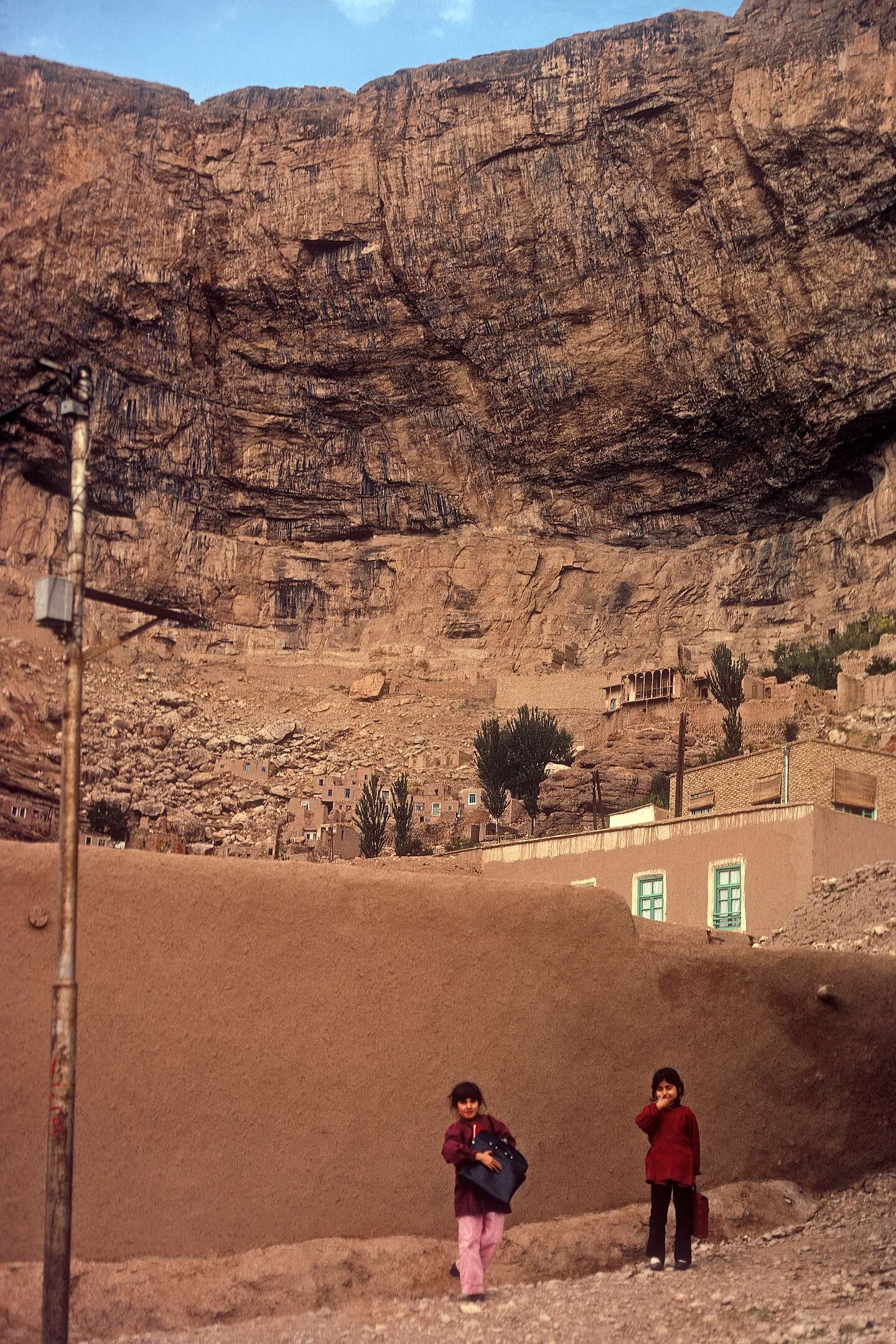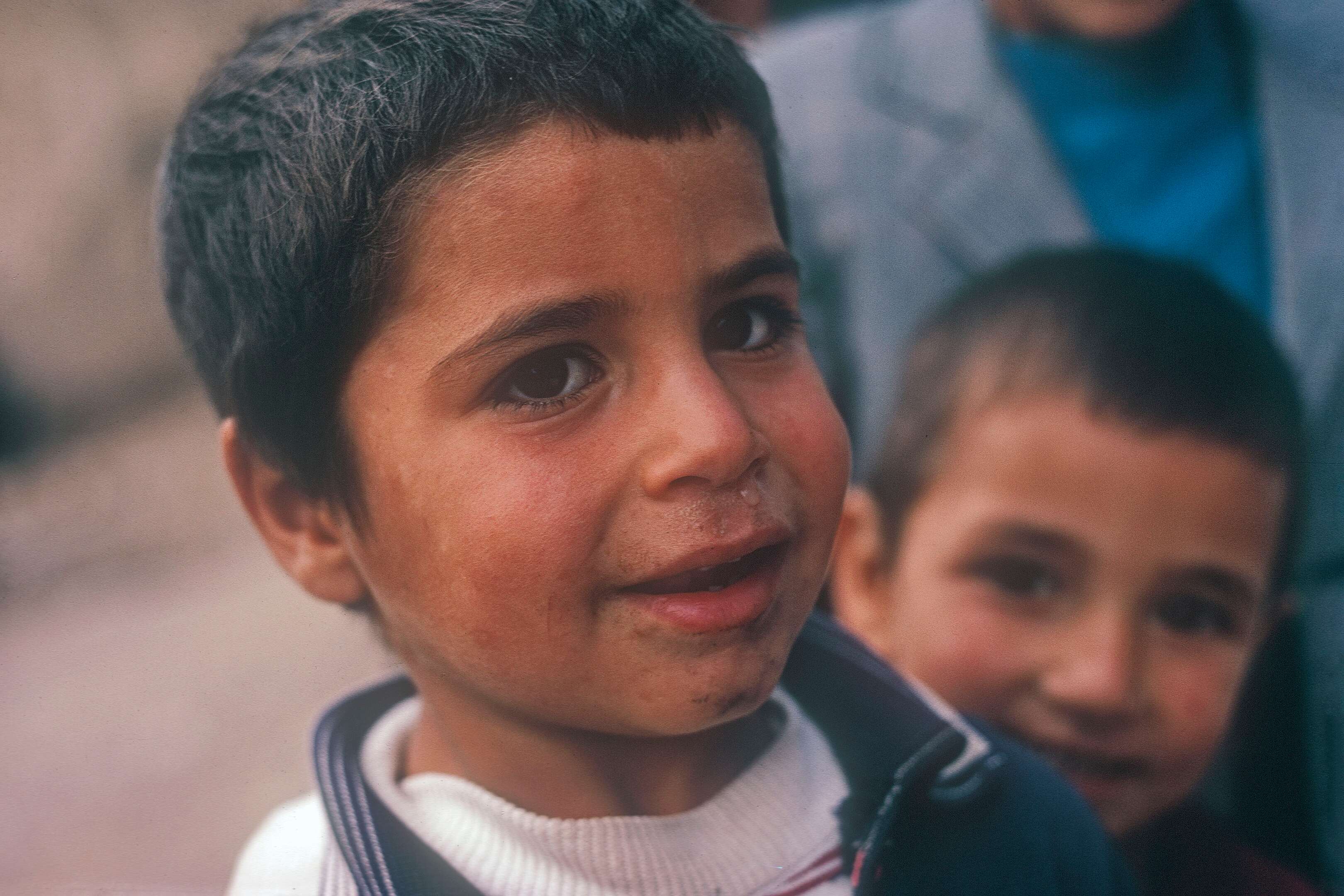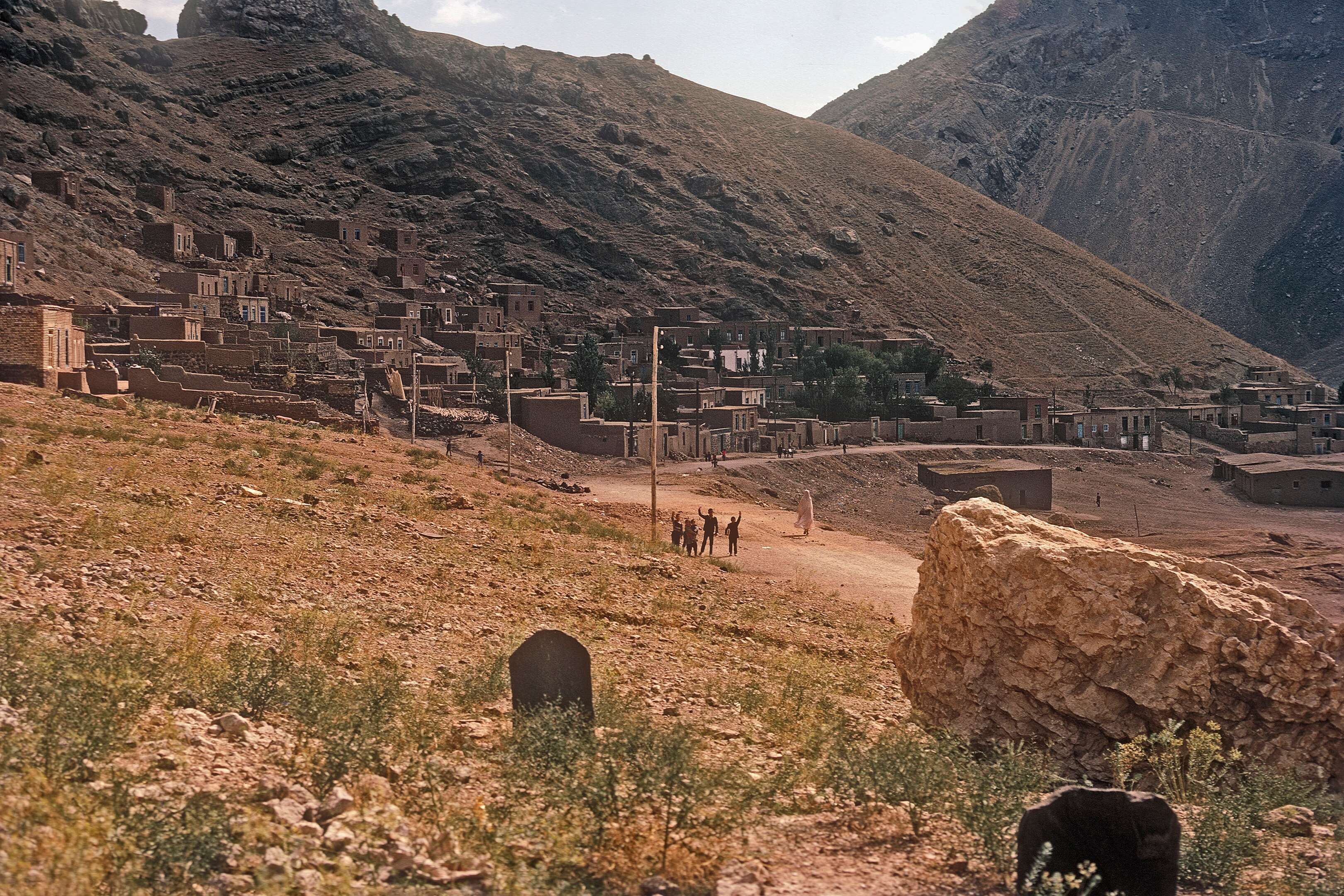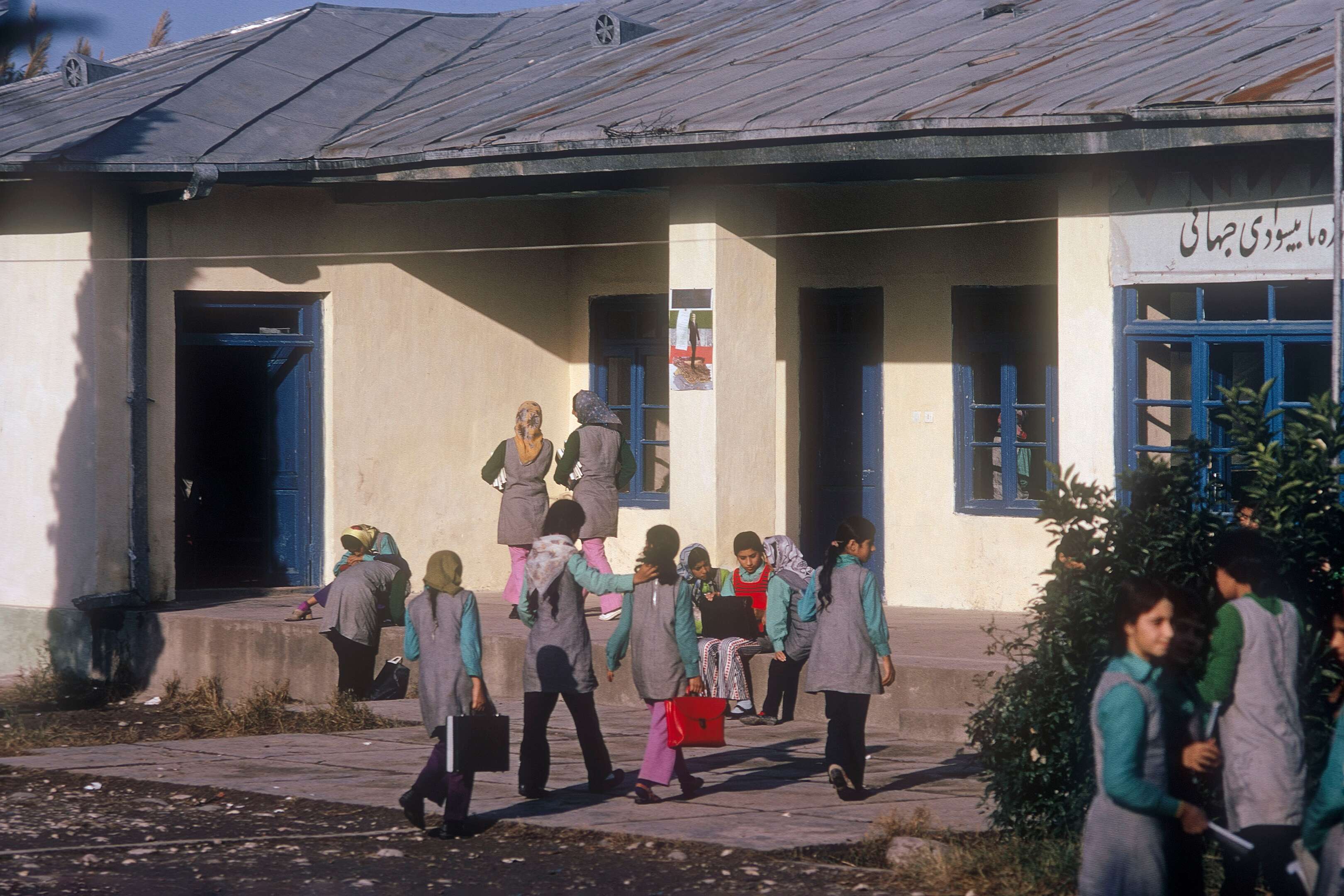




From West Azerbaijan Province to the Caspian Sea in northwest Iran
14-23 October 1973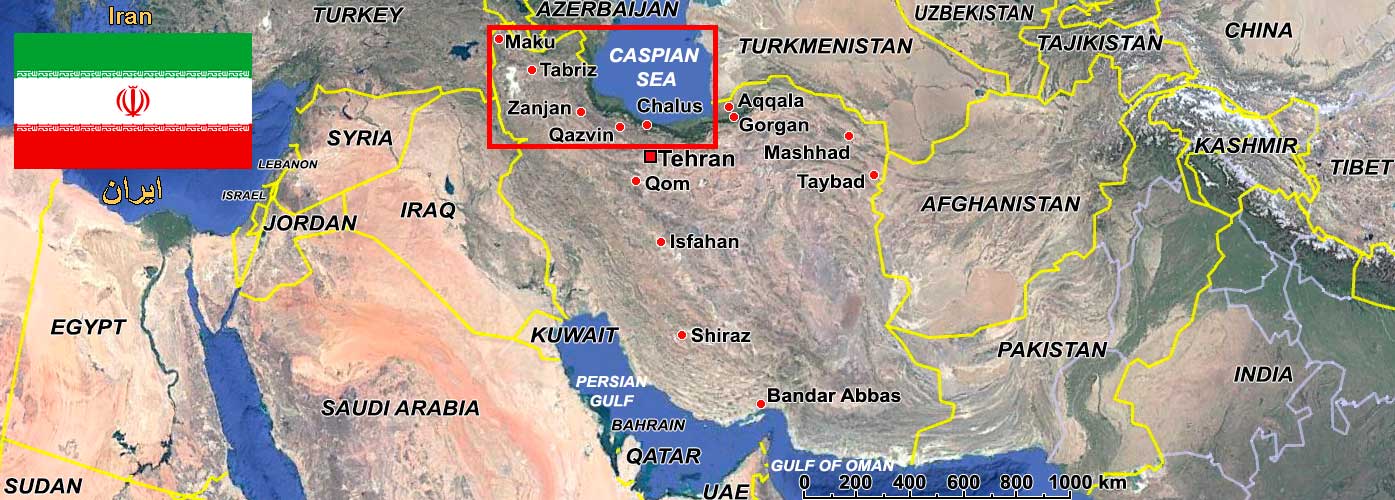
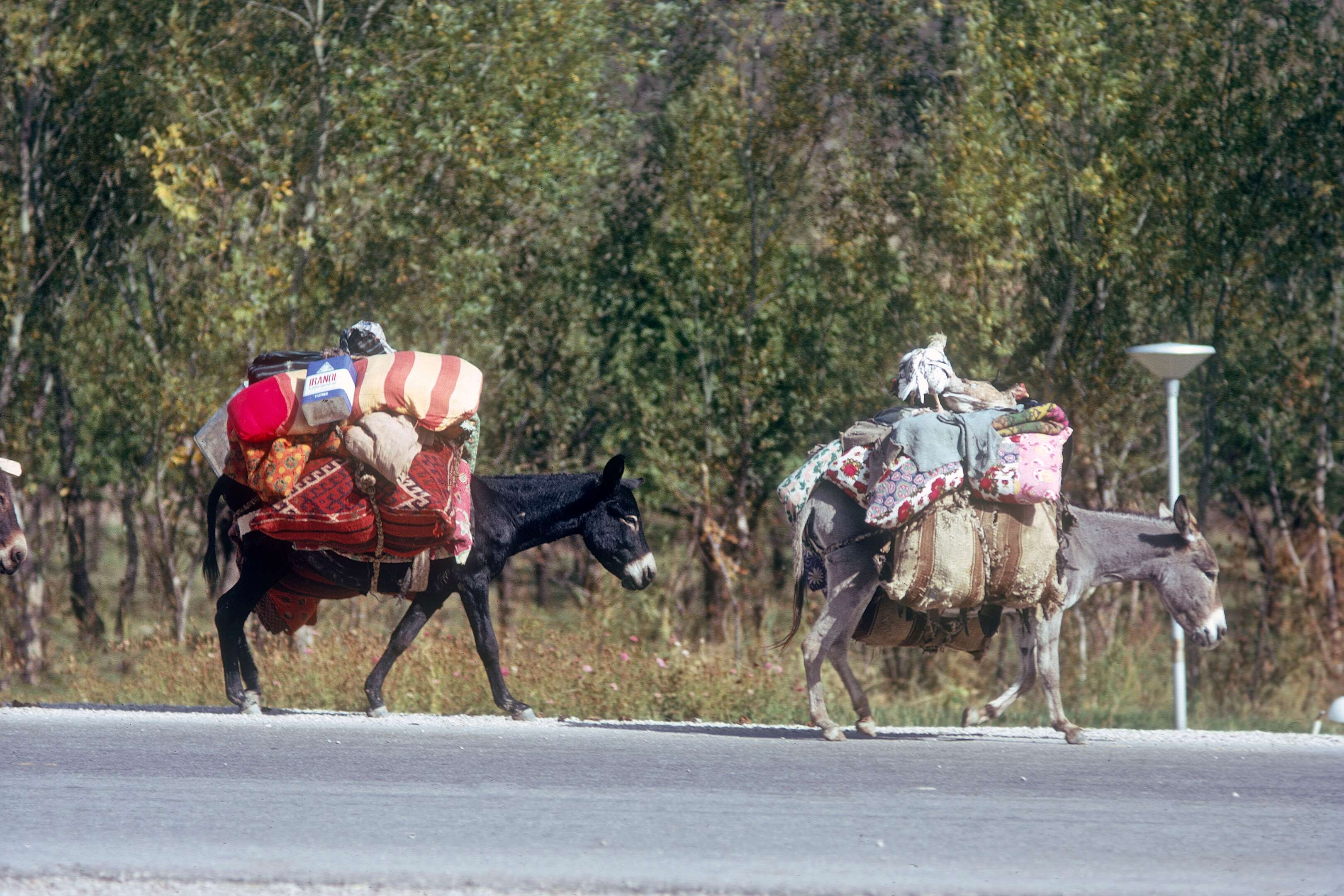
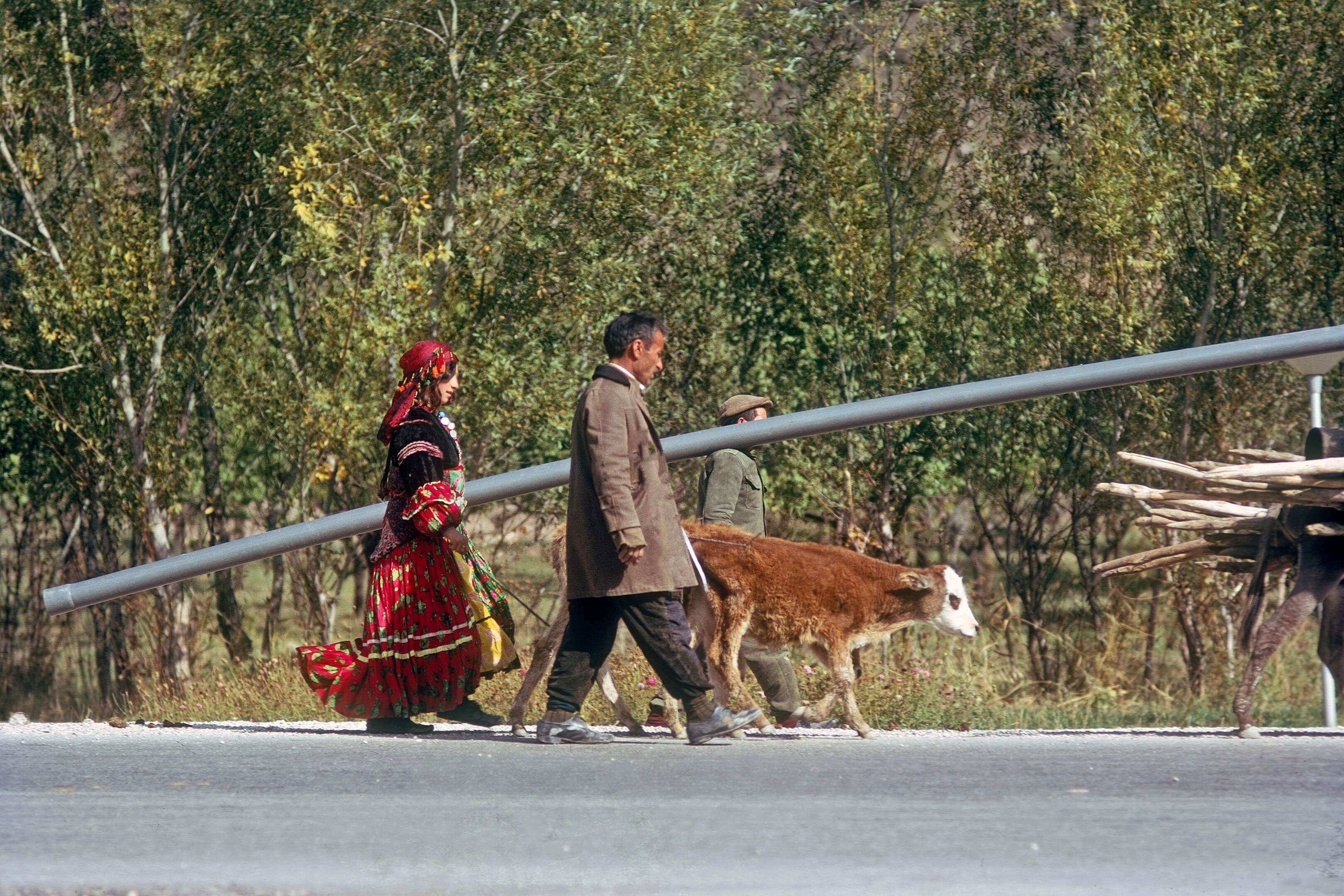
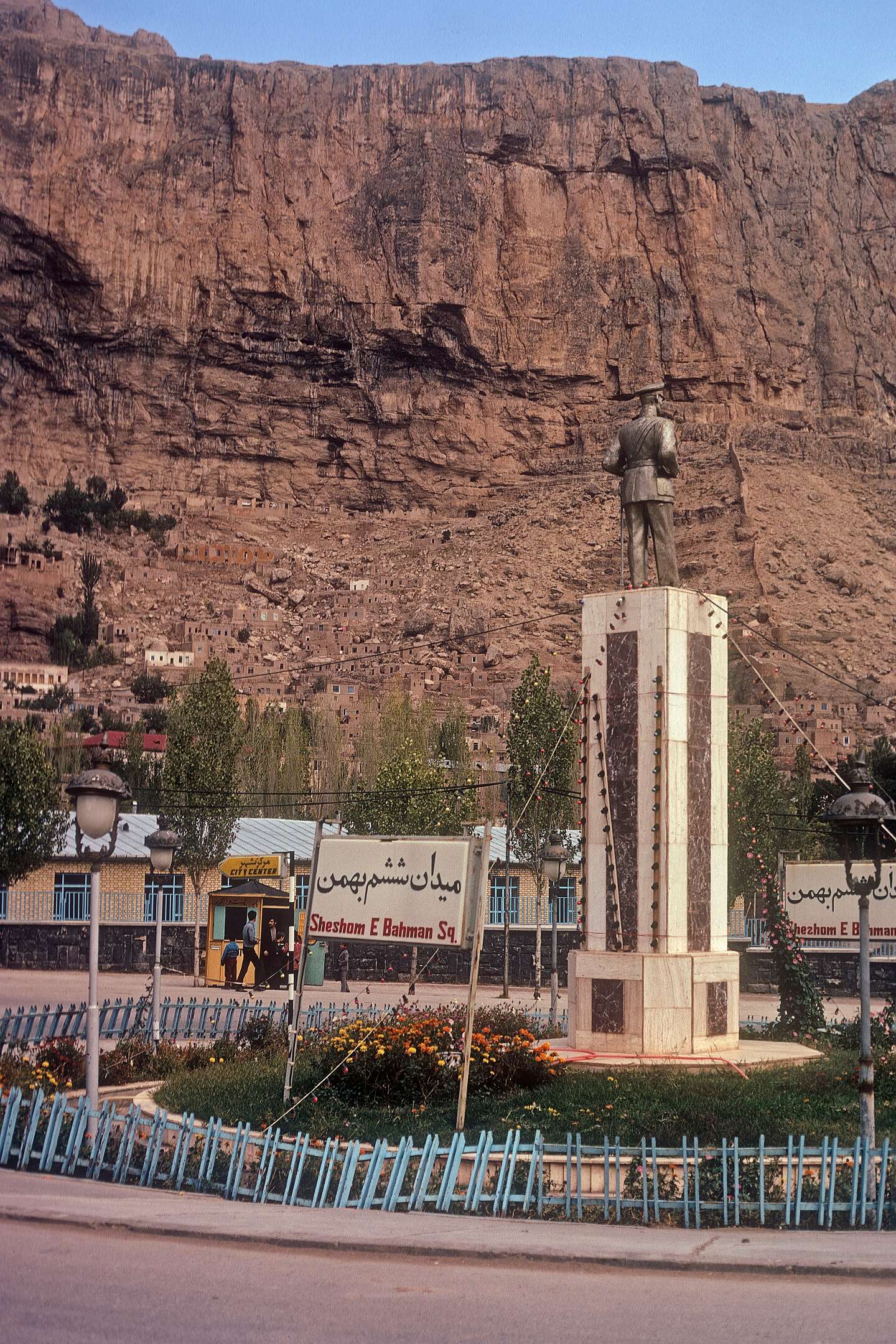
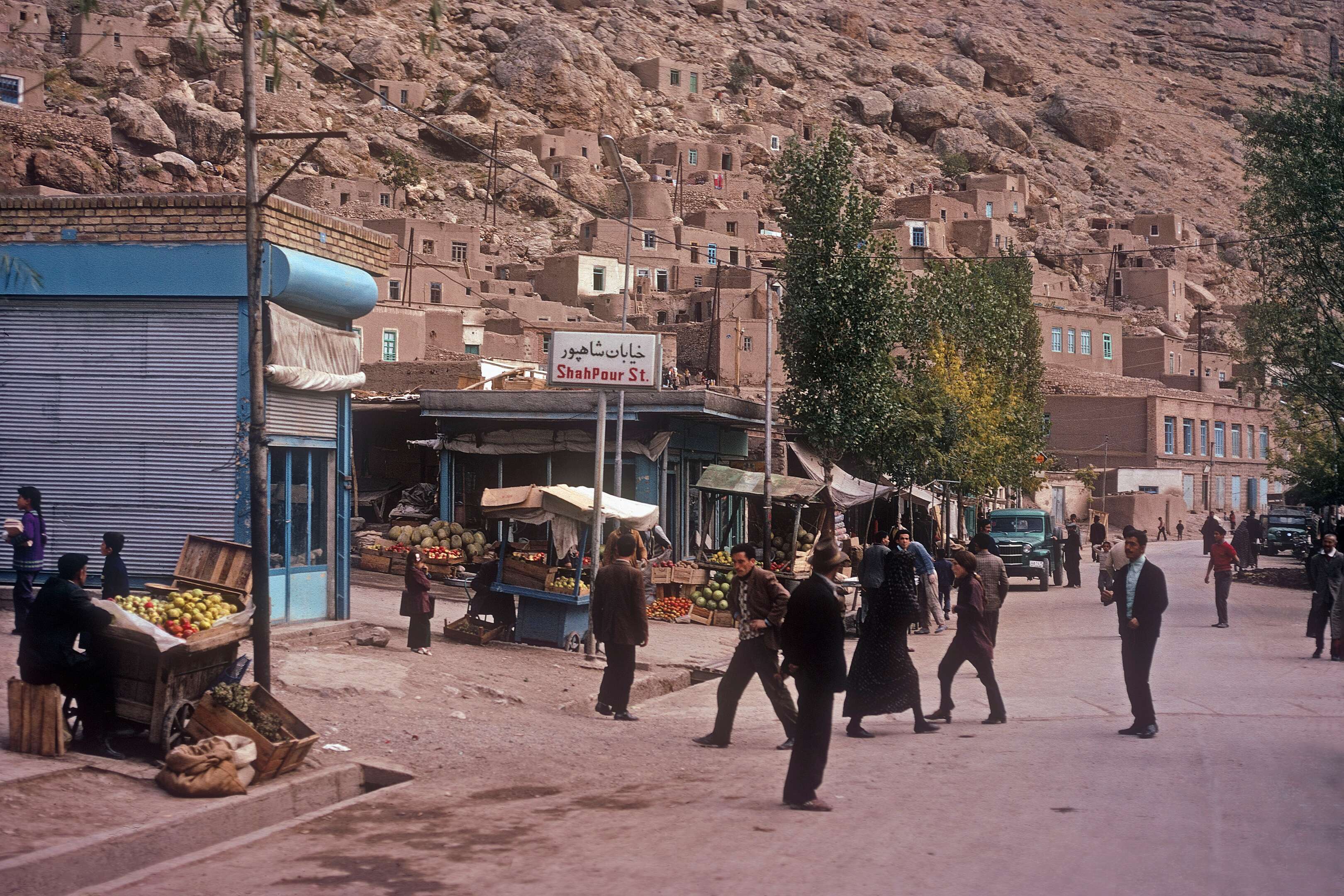
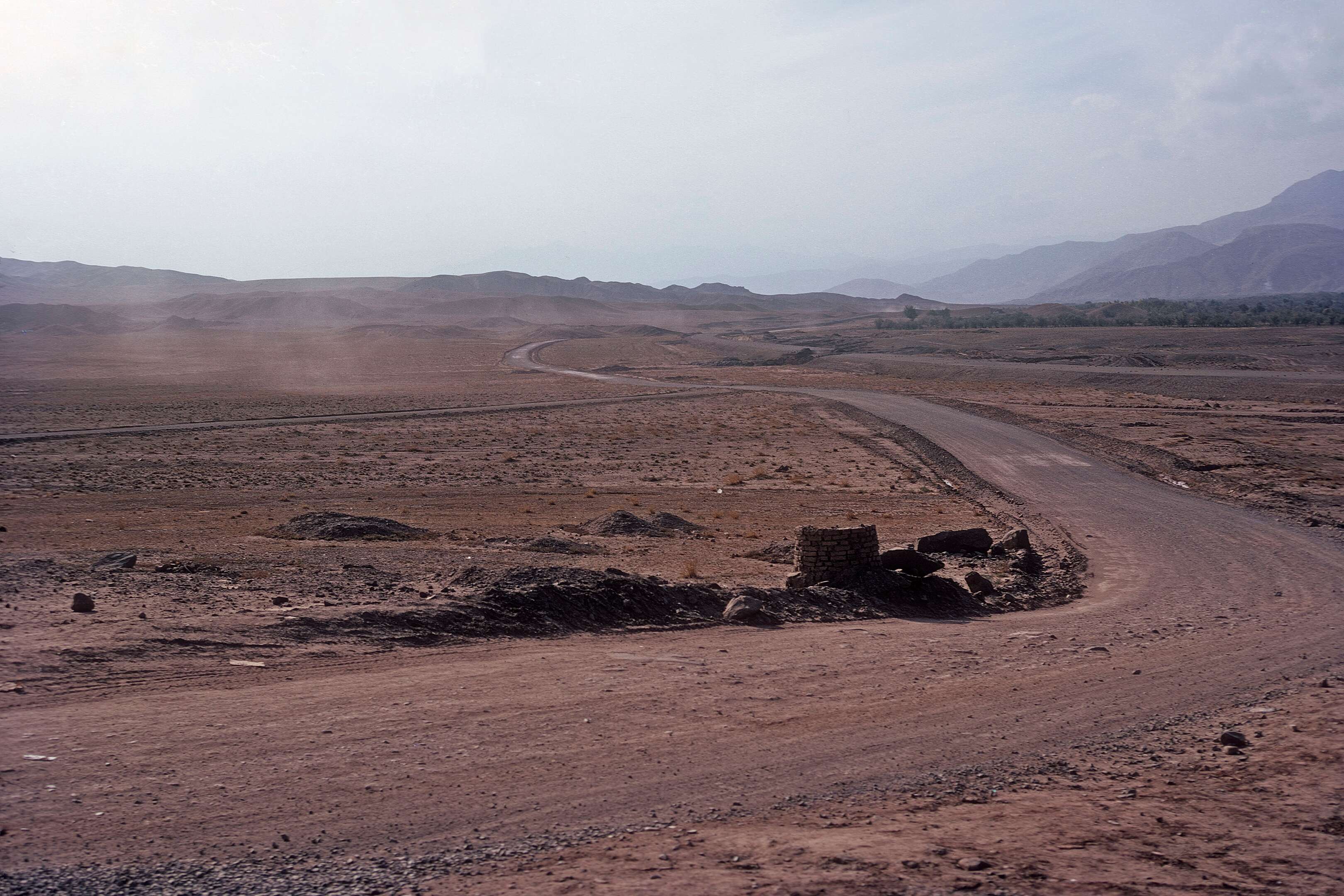
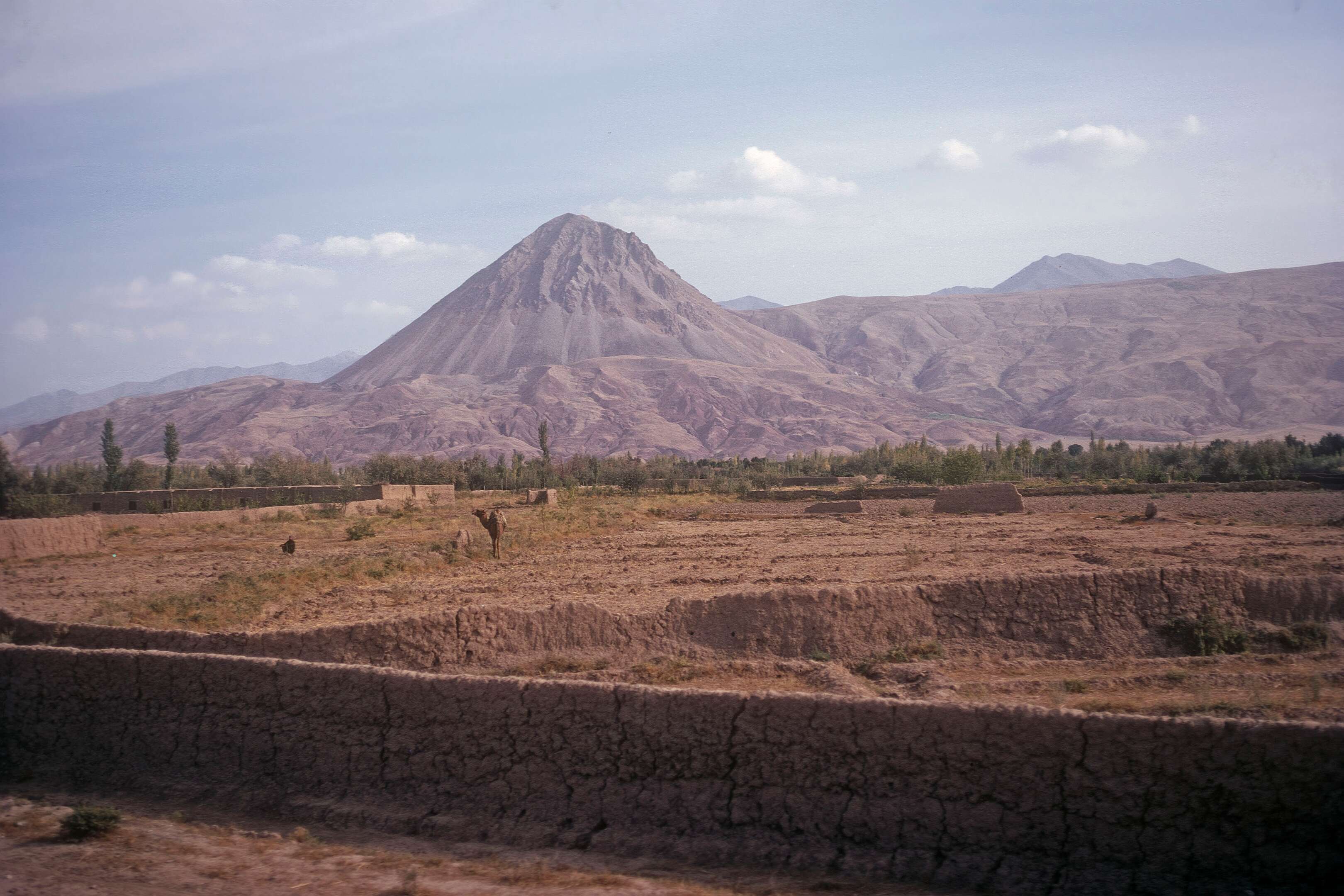
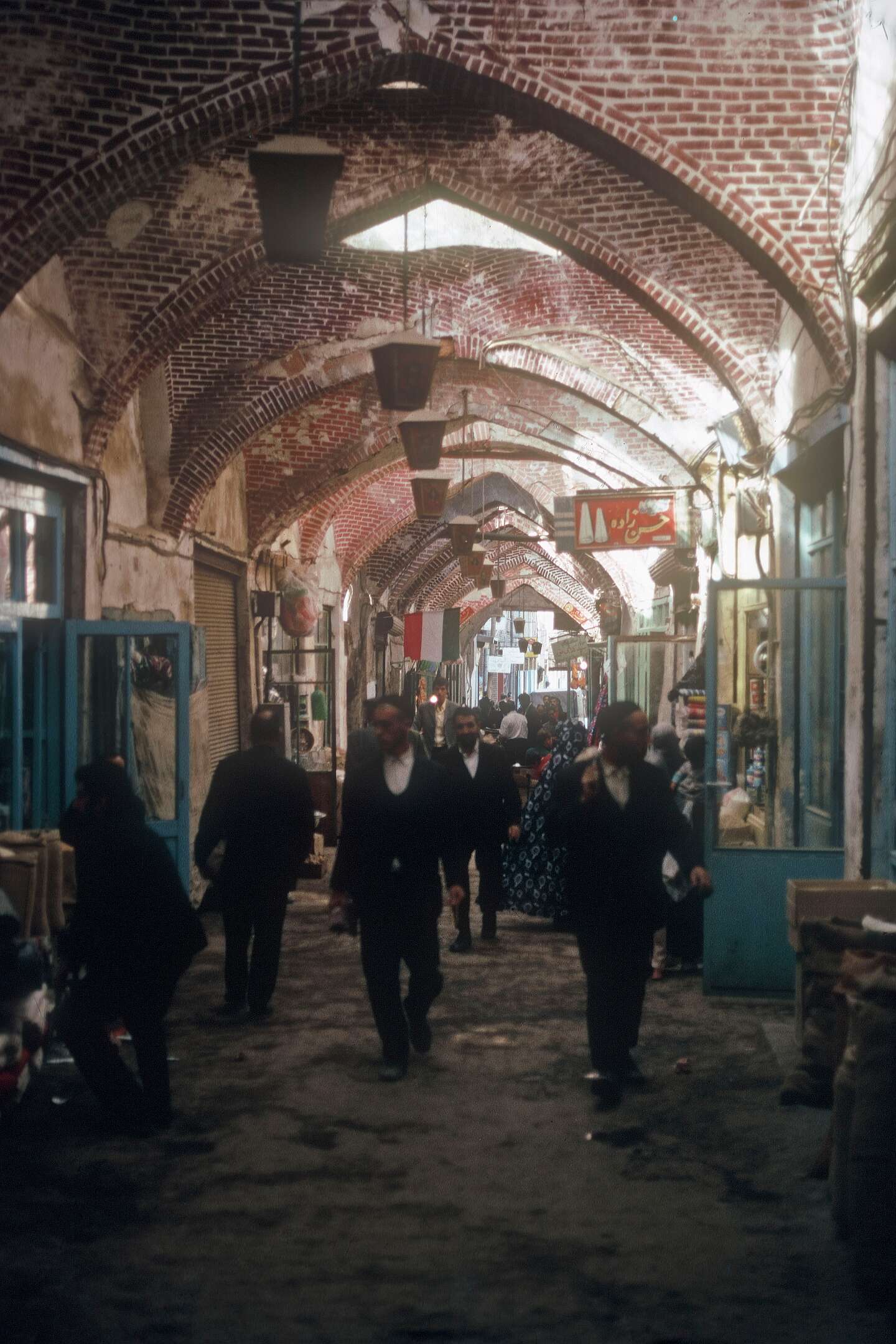
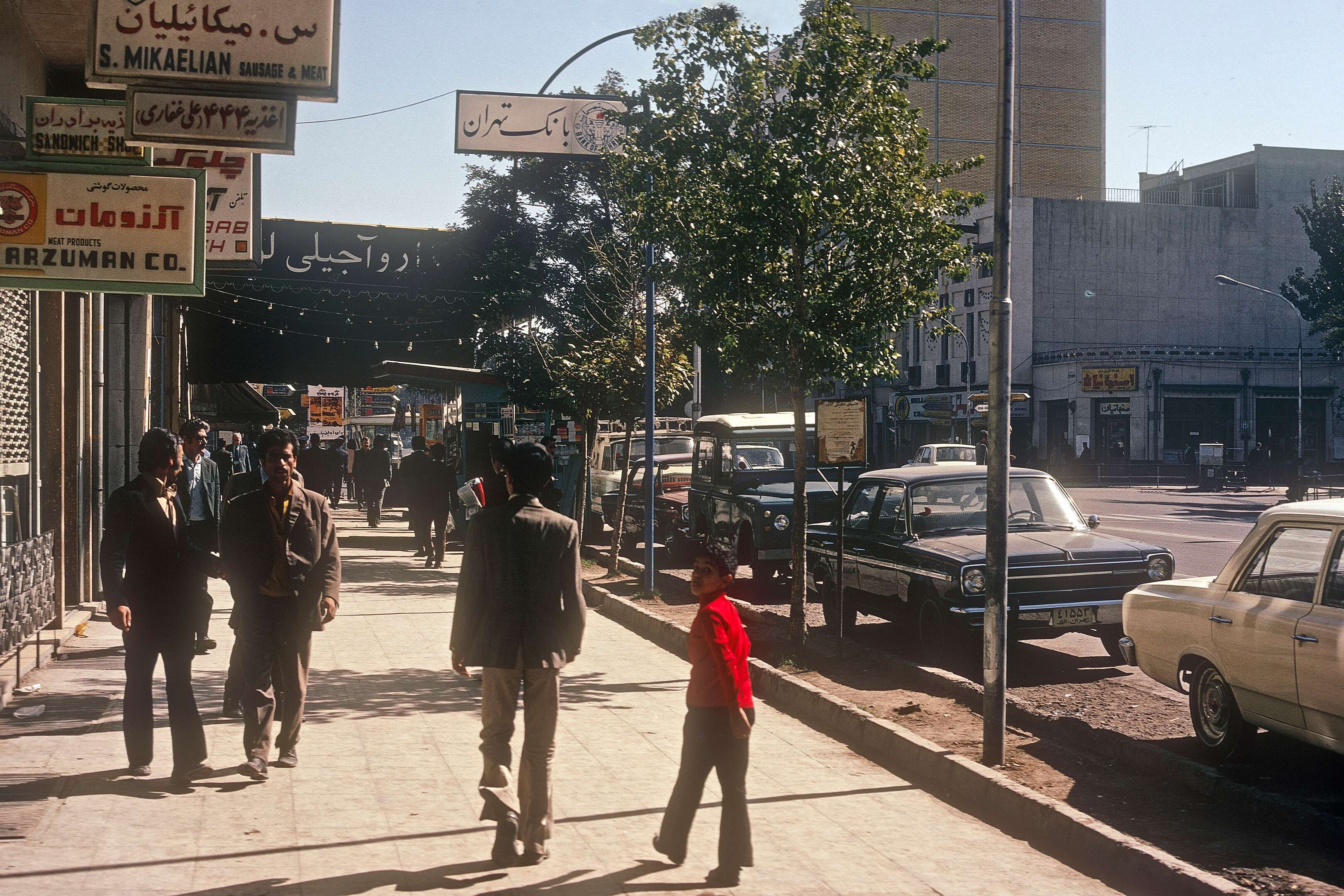
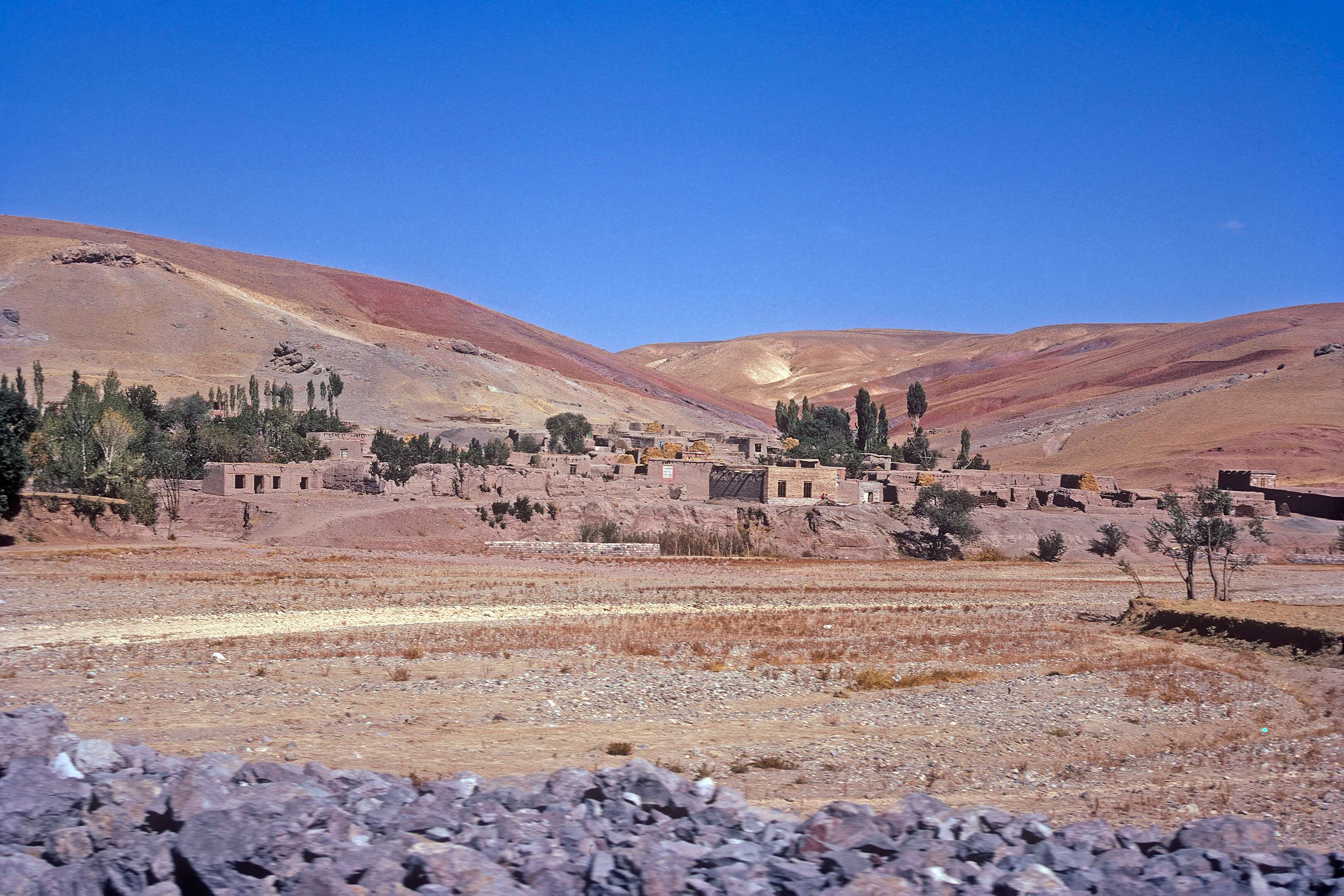
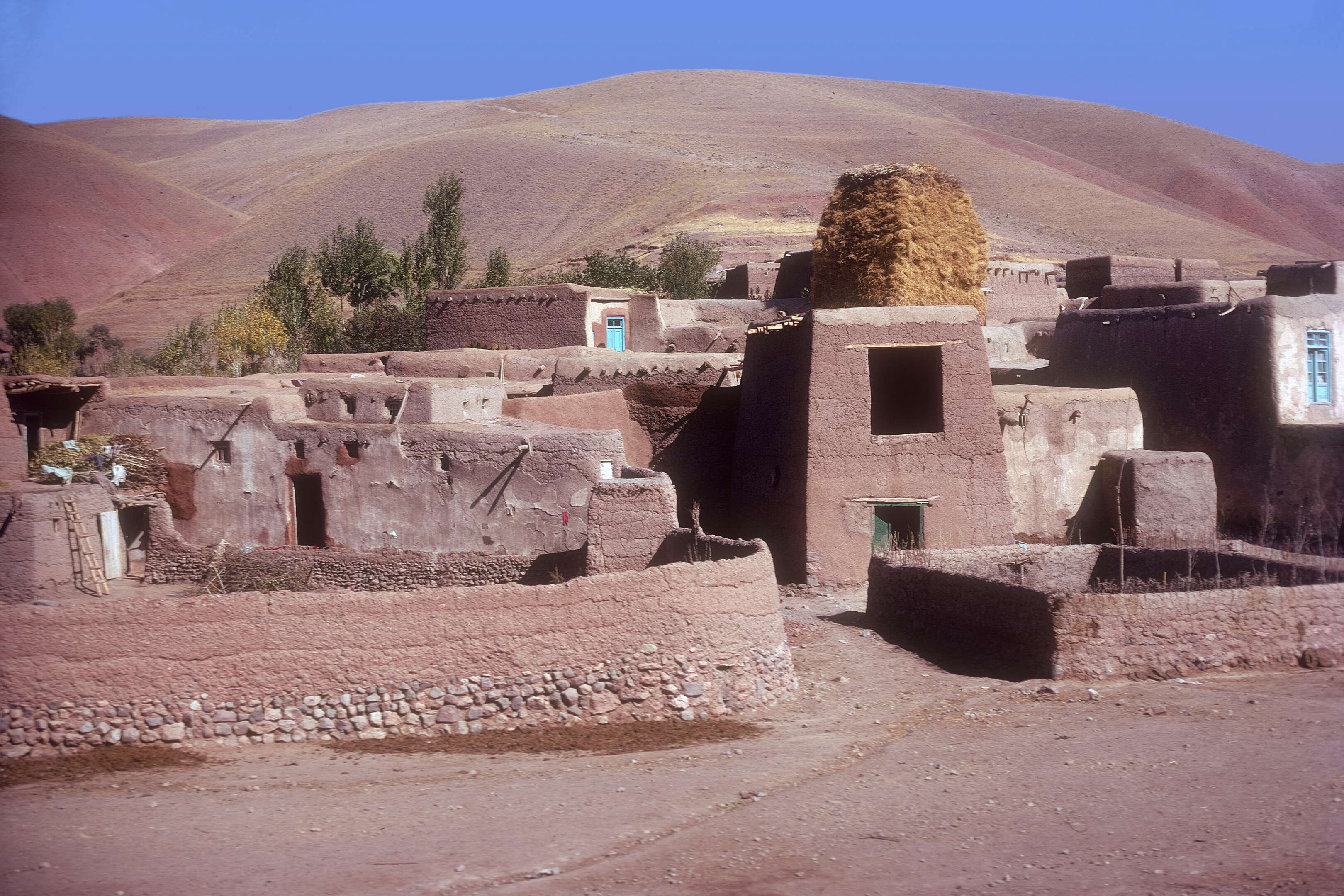
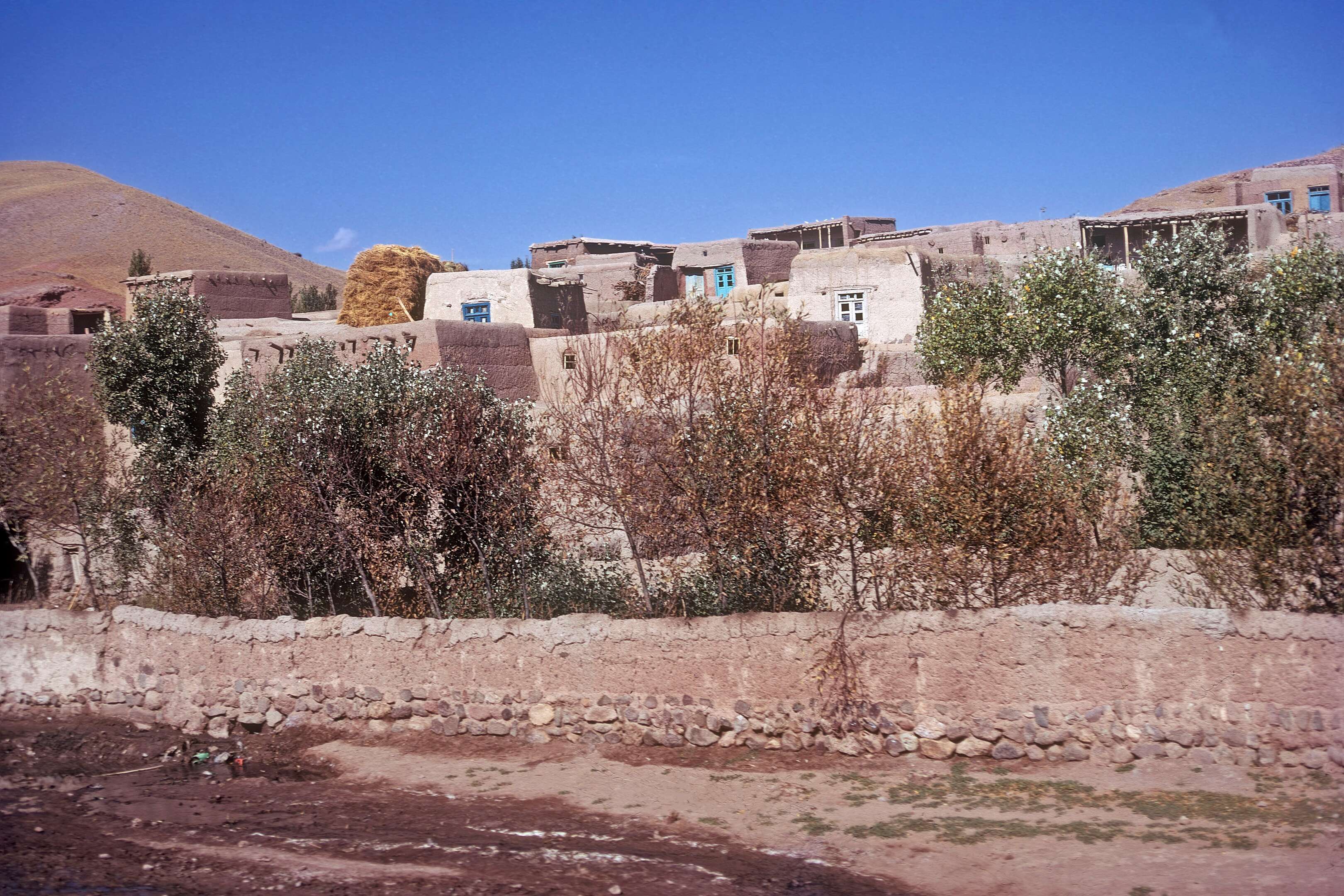
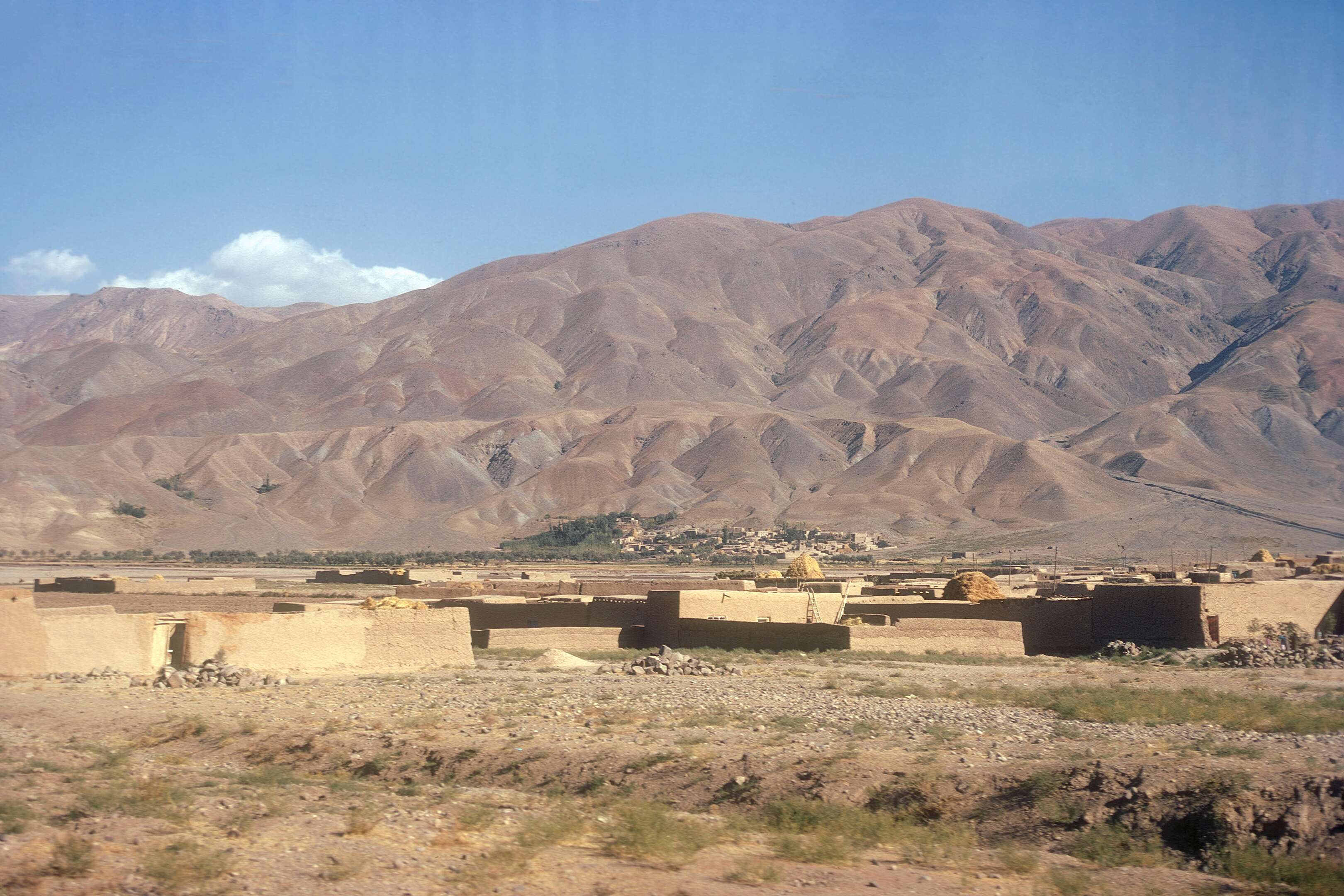
Northwest Iran forms a striking transect from rugged highlands to lush coastal plains, linking several distinct regions.The journey begins in West Azerbaijan and East Azerbaijan, which together form Iranian Azerbaijan. This frontier zone, bordering Turkey, Iraq, and the Caucasus, is predominantly mountainous, with deep valleys, fertile basins, and features like Lake Urmia. The landscape is ethnically and linguistically diverse, with communities including Azerbaijani, Kurdish, and others.
Moving southeast into Zanjan, the terrain transitions to high, windswept plateaus. The climate becomes cooler and semi-arid, with steppe vegetation and scattered agriculture shaped by limited rainfall.Further east lies Qazvin, historically a gateway between the Caspian region and the central plateau. Situated at the foot of the Alborz Mountains, it marks a shift toward more rugged topography.
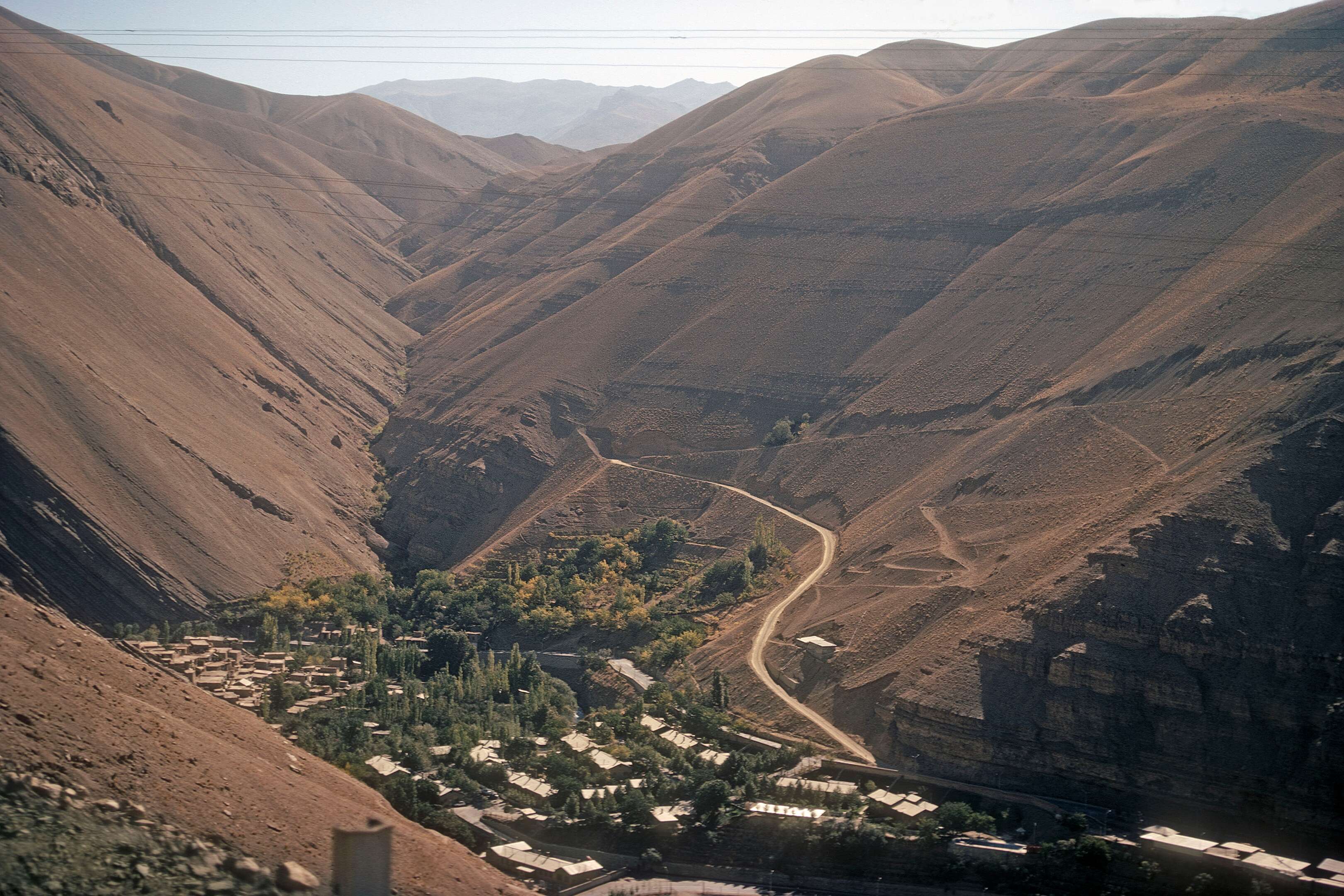
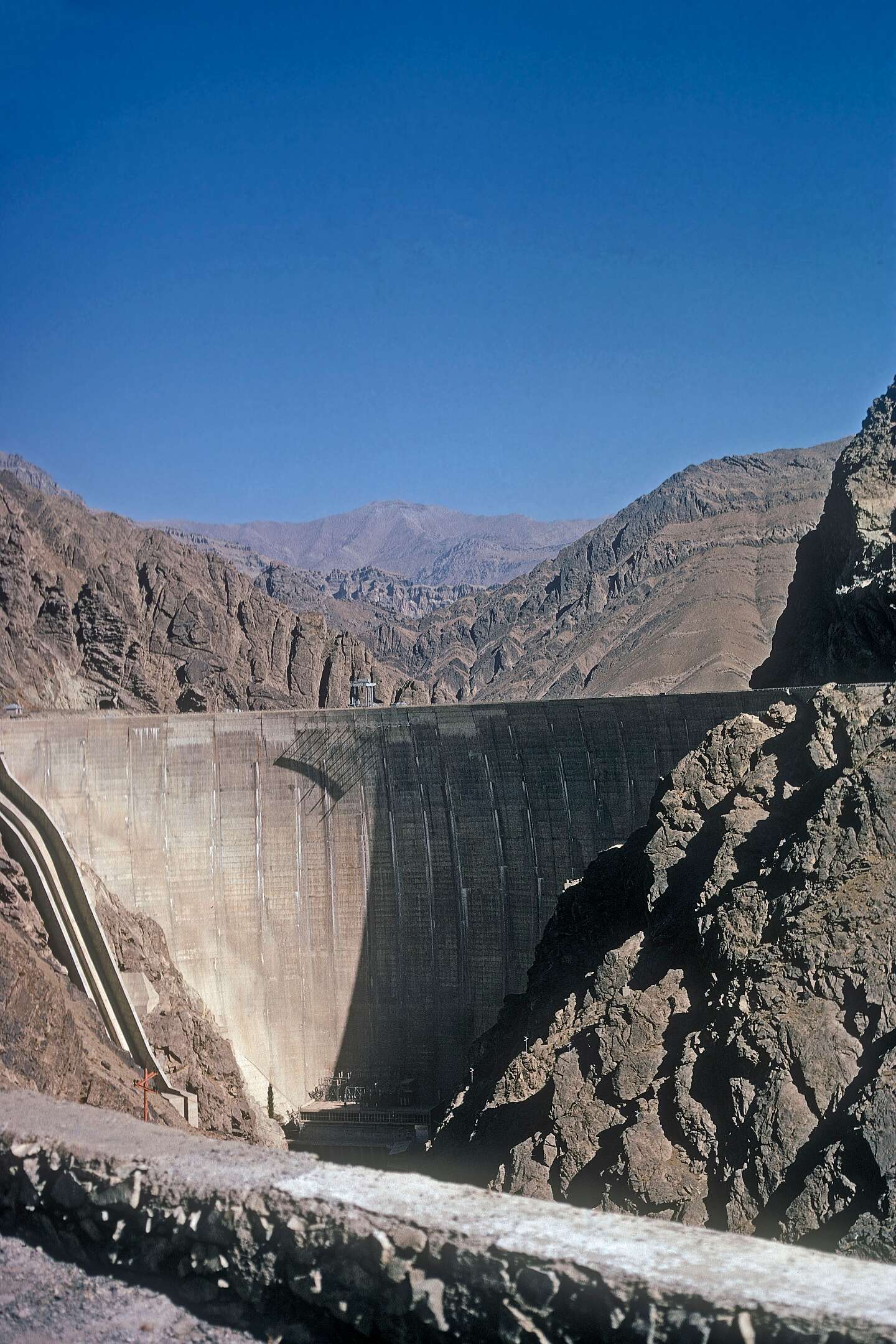
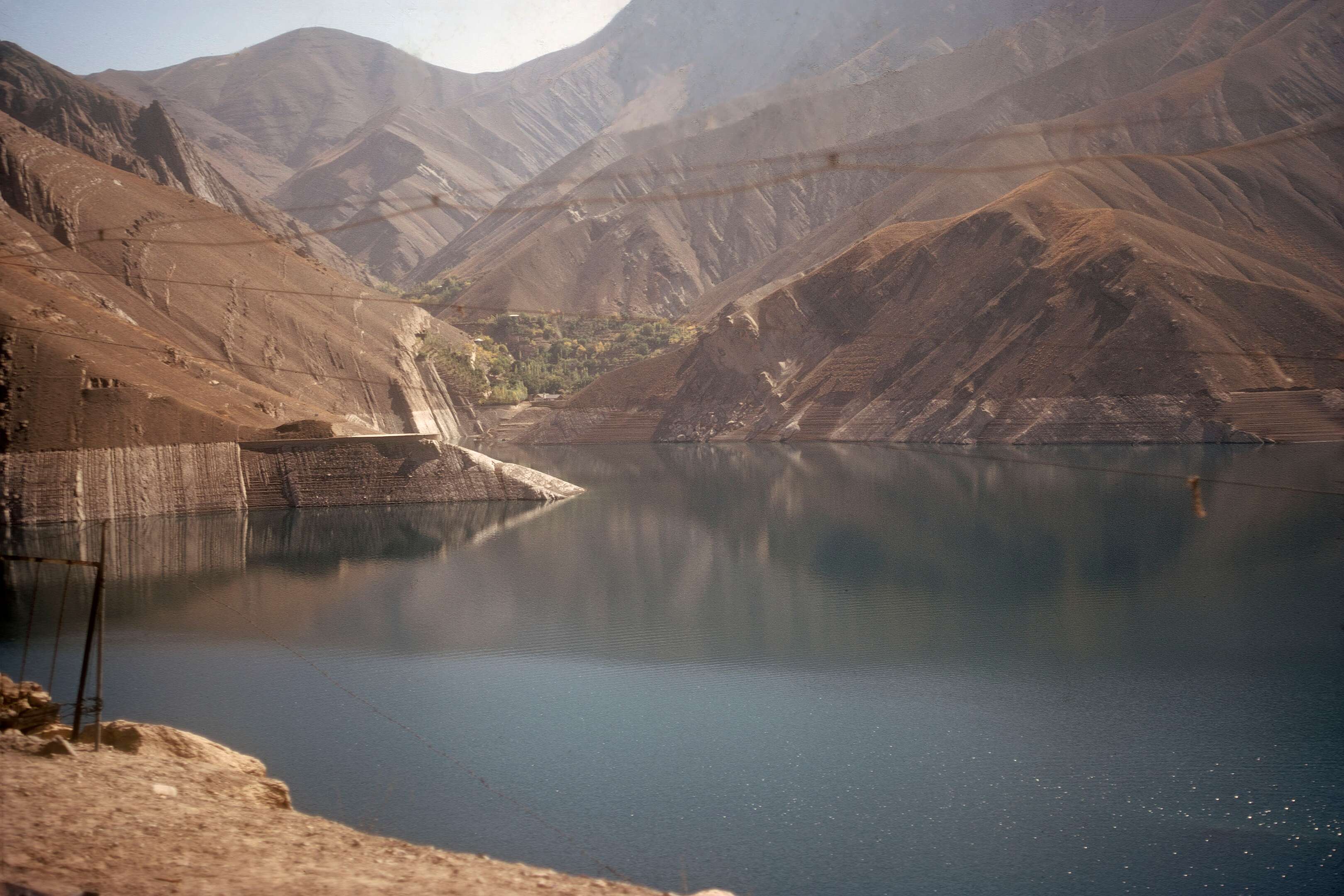
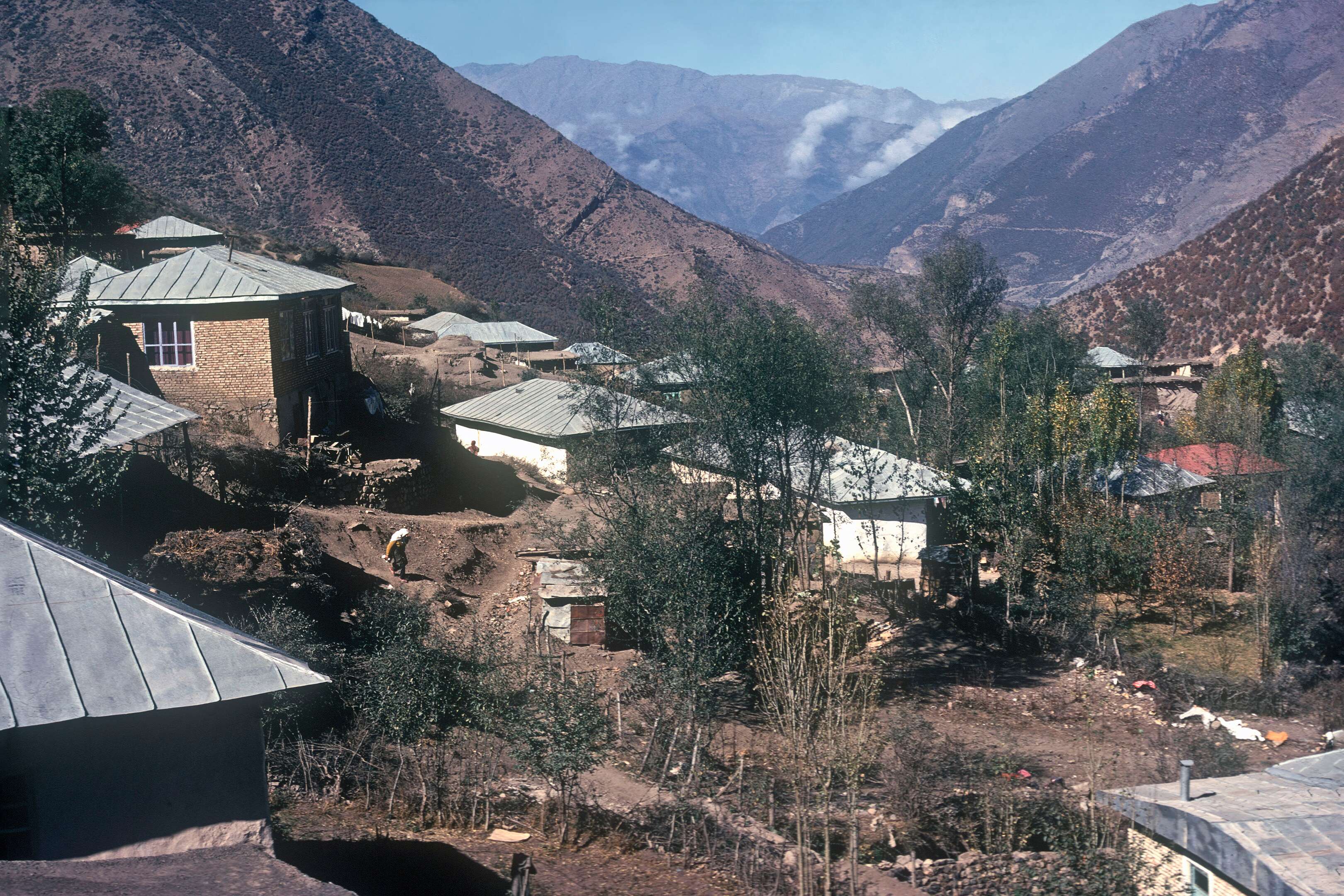
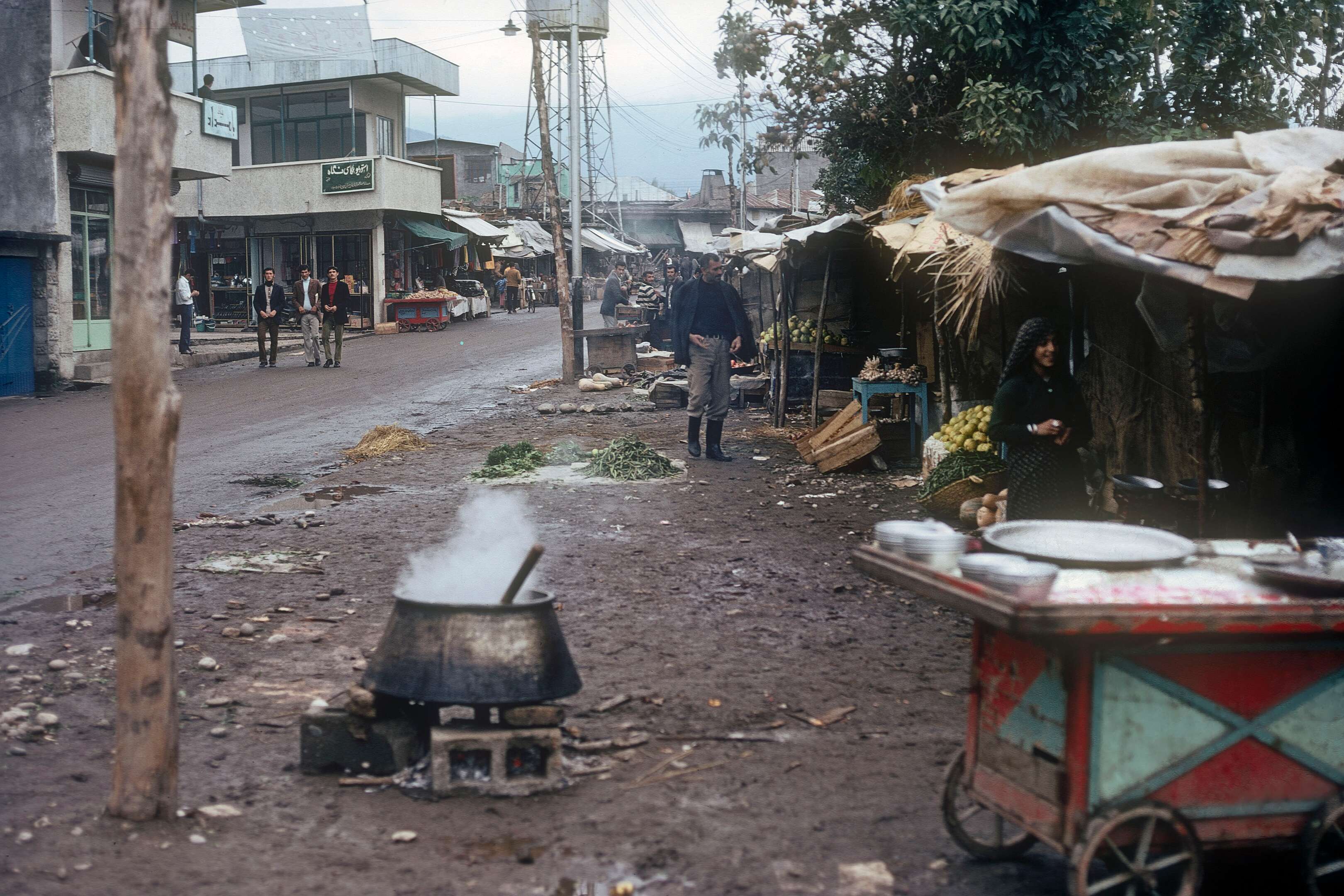
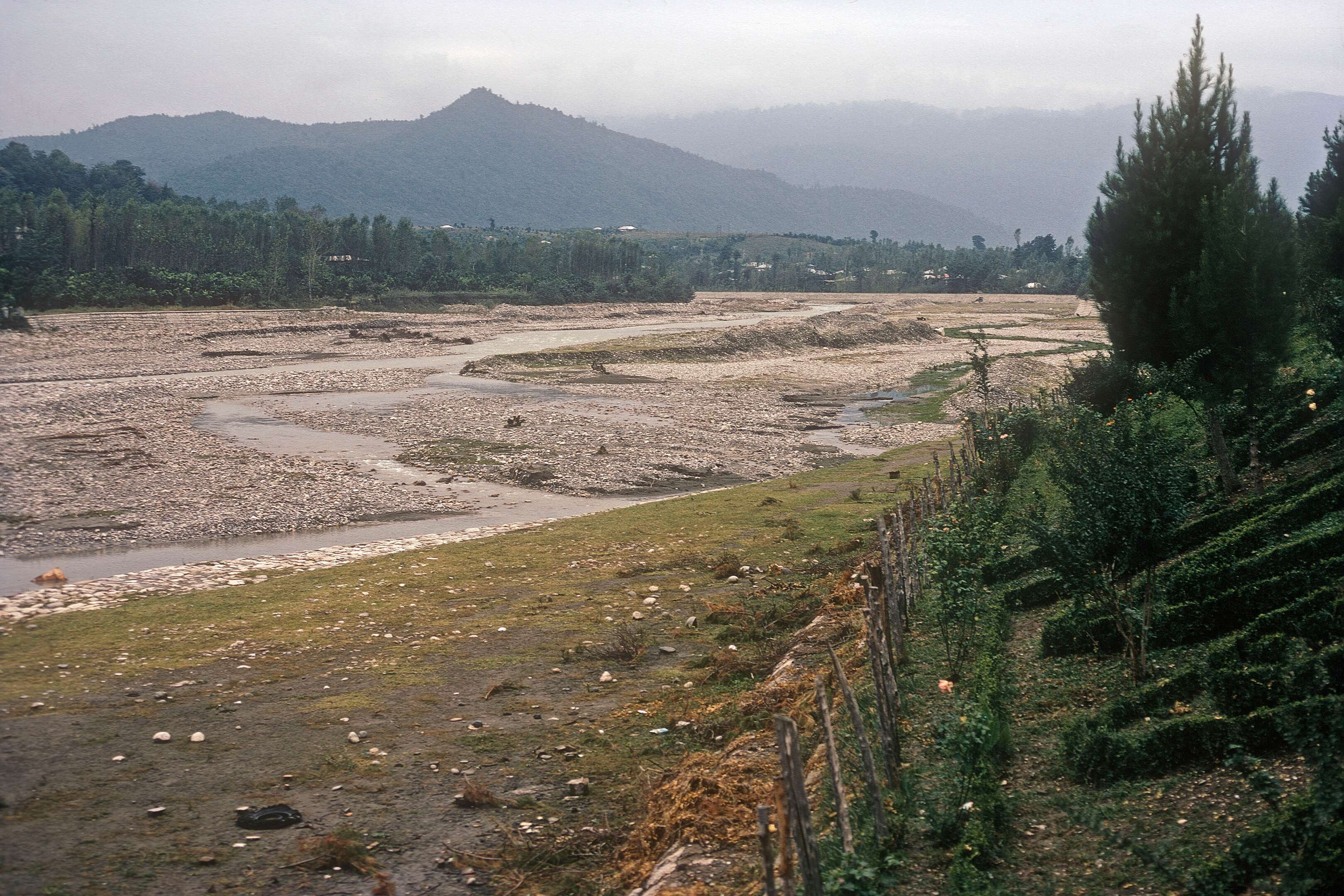
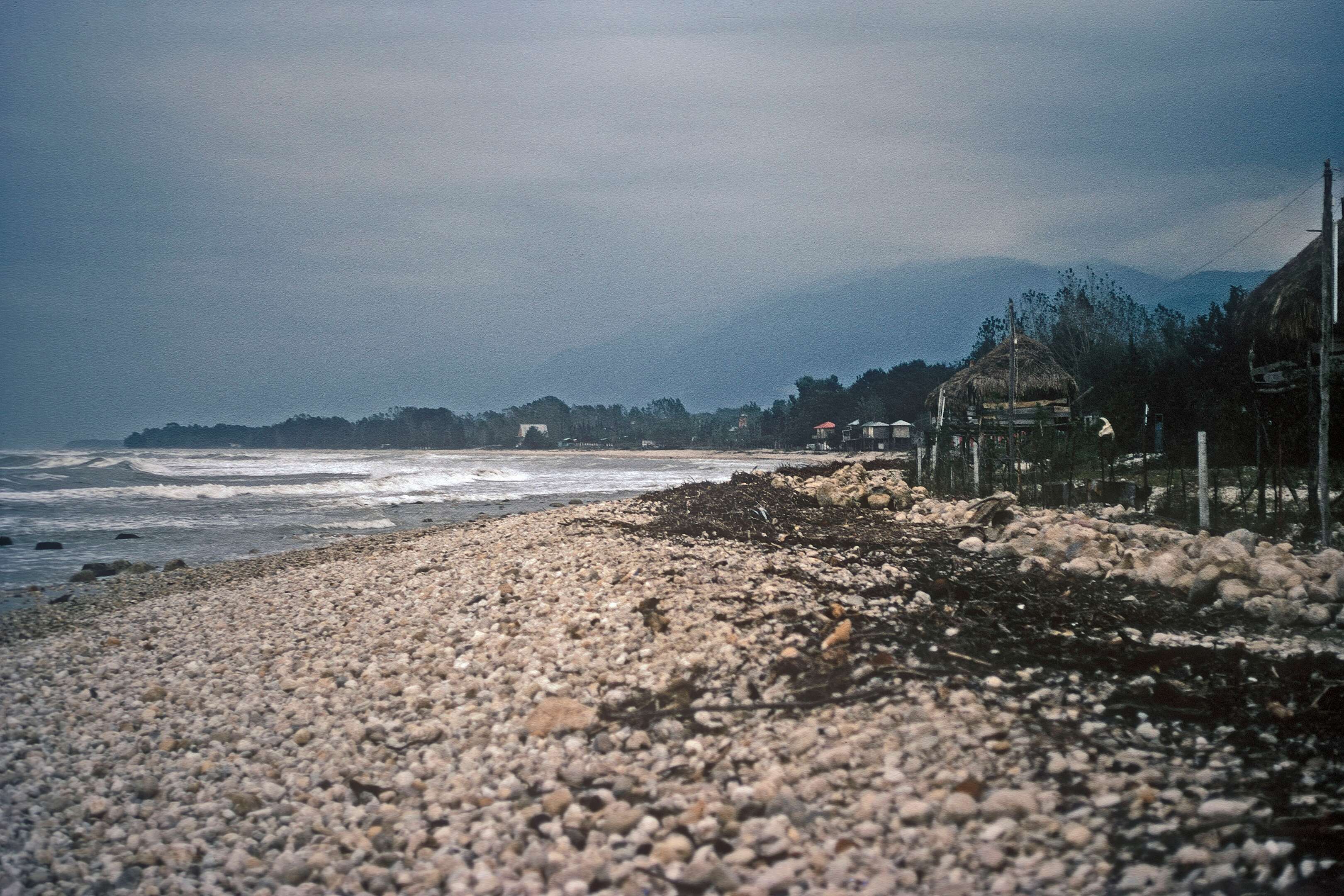
The Alborz Mountains dominate this corridor, running parallel to the Caspian Sea and forming a dramatic barrier between the dry interior and the humid north. Their southern slopes are relatively arid, while the northern slopes descend into dense forests. Finally, the land drops into Mazandaran on the Caspian coast, where a narrow plain supports subtropical vegetation, abundant rivers, and a much wetter climate.
Moving southeast into Zanjan, the terrain transitions to high, windswept plateaus. The climate becomes cooler and semi-arid, with steppe vegetation and scattered agriculture shaped by limited rainfall.Further east lies Qazvin, historically a gateway between the Caspian region and the central plateau. Situated at the foot of the Alborz Mountains, it marks a shift toward more rugged topography.
The Alborz Mountains dominate this corridor, running parallel to the Caspian Sea and forming a dramatic barrier between the dry interior and the humid north. Their southern slopes are relatively arid, while the northern slopes descend into dense forests. Finally, the land drops into Mazandaran on the Caspian coast, where a narrow plain supports subtropical vegetation, abundant rivers, and a much wetter climate.