



Flag History of Iran
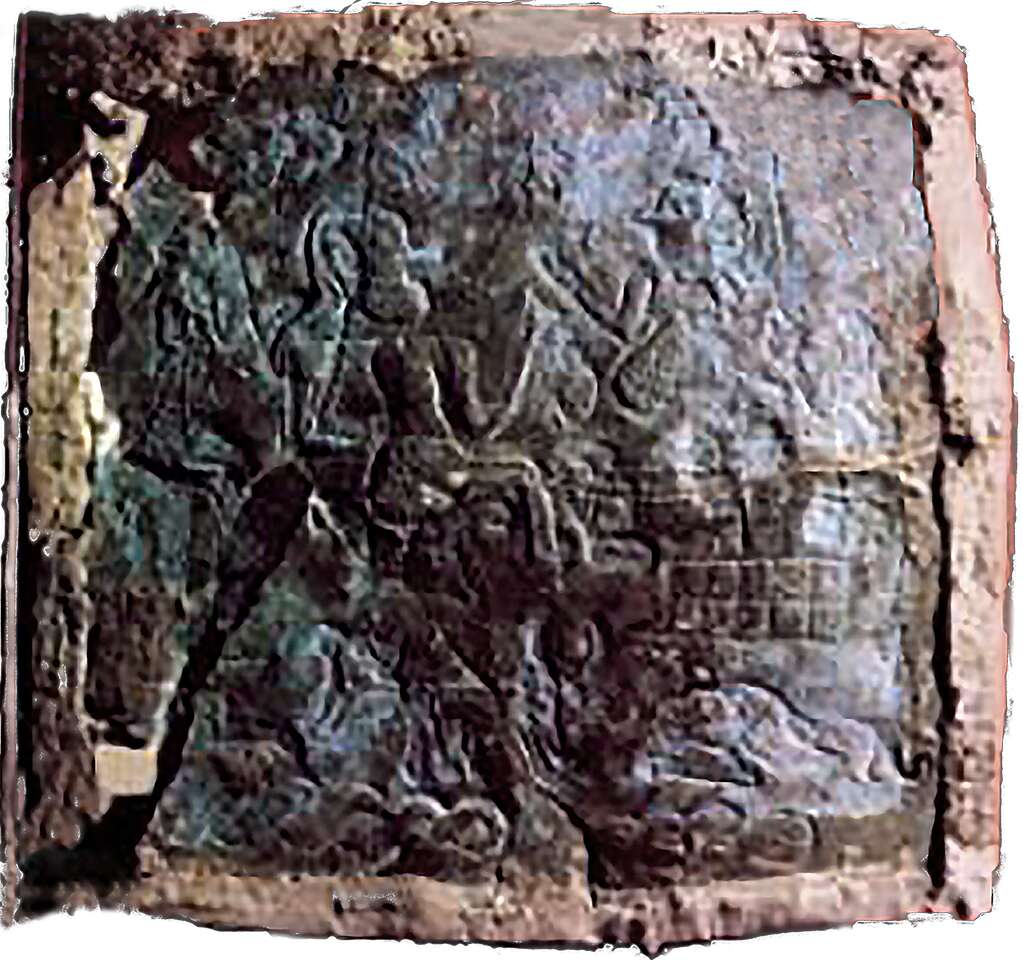
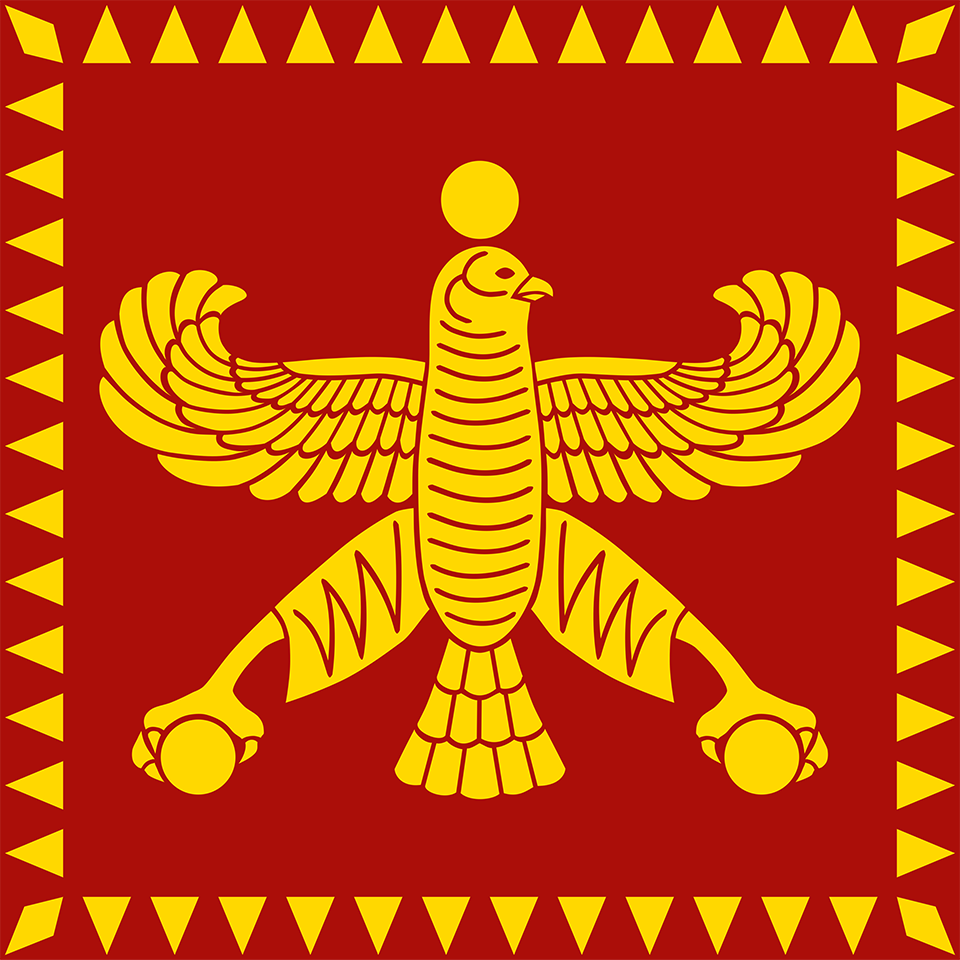
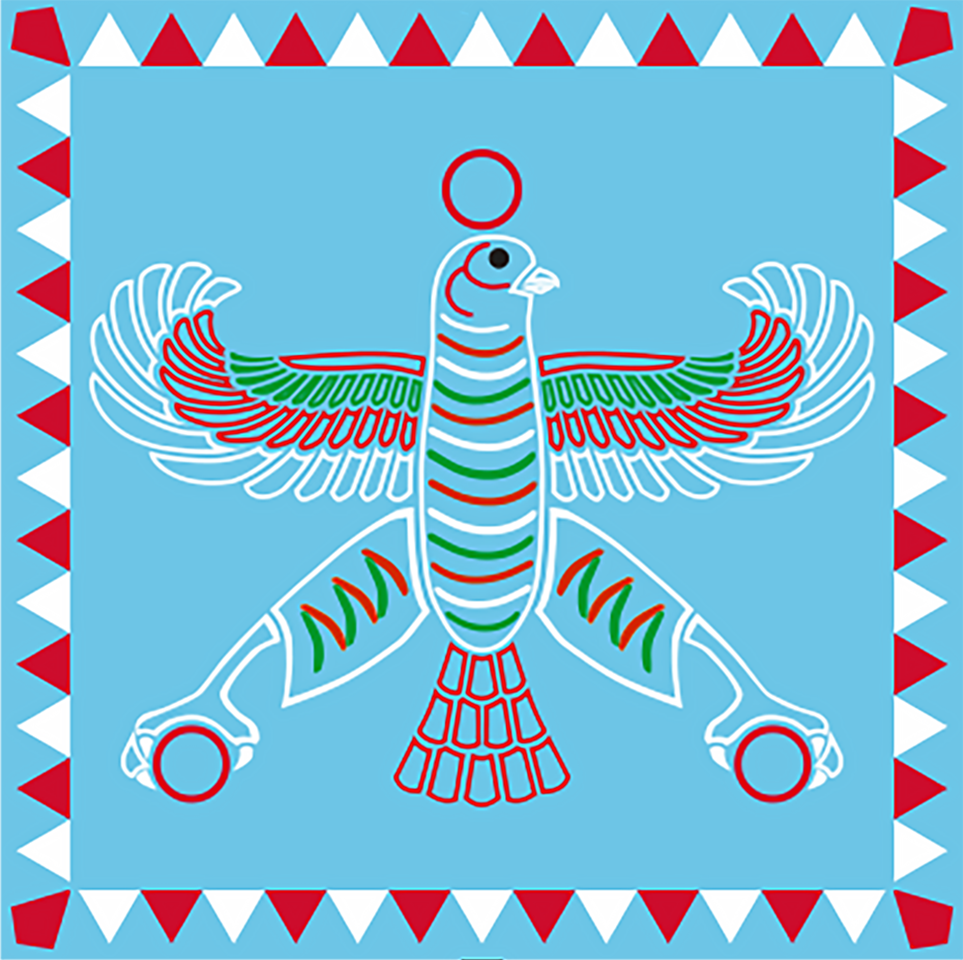
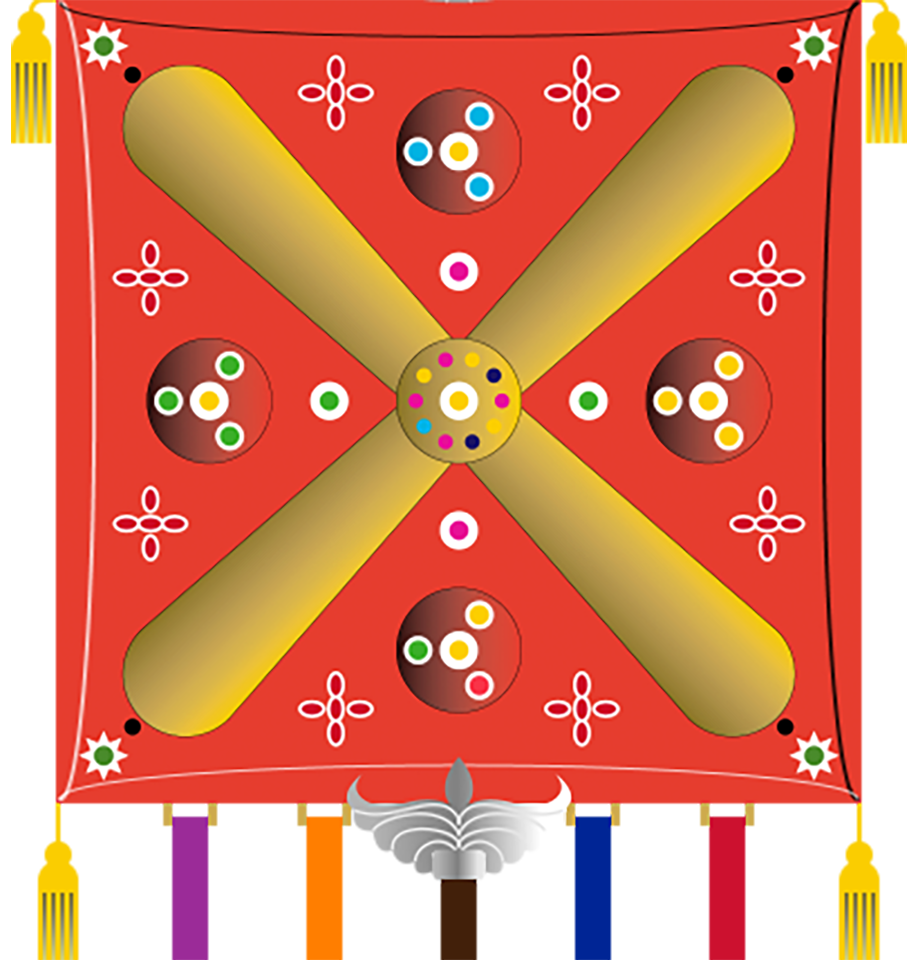
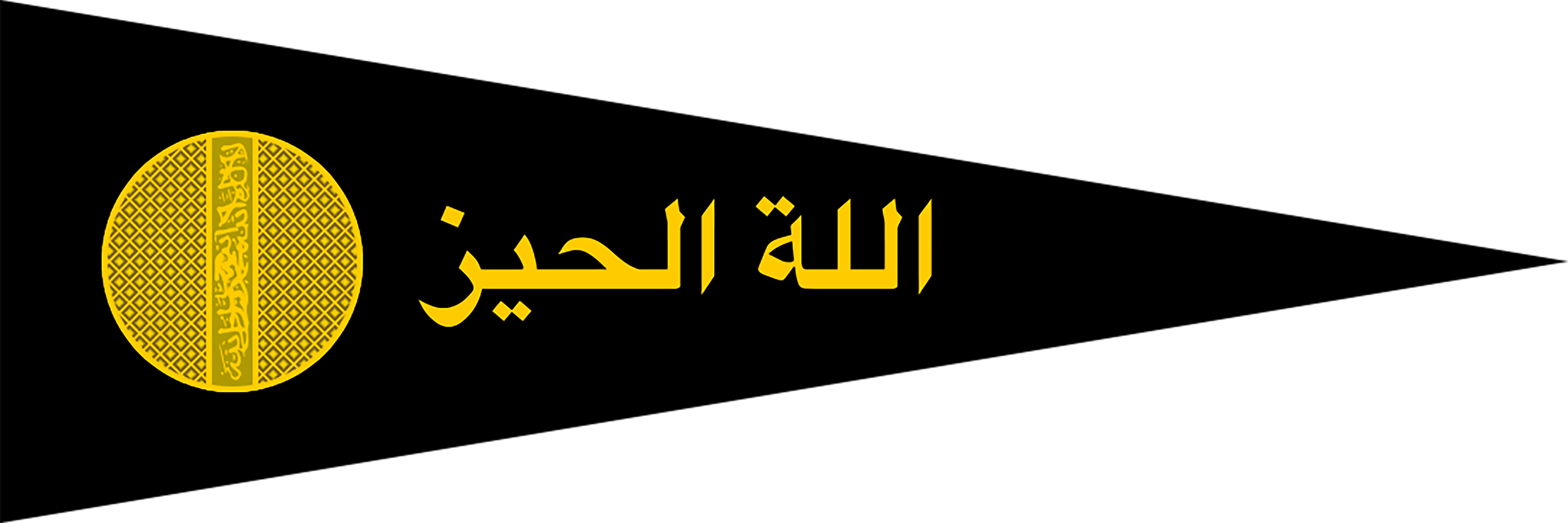
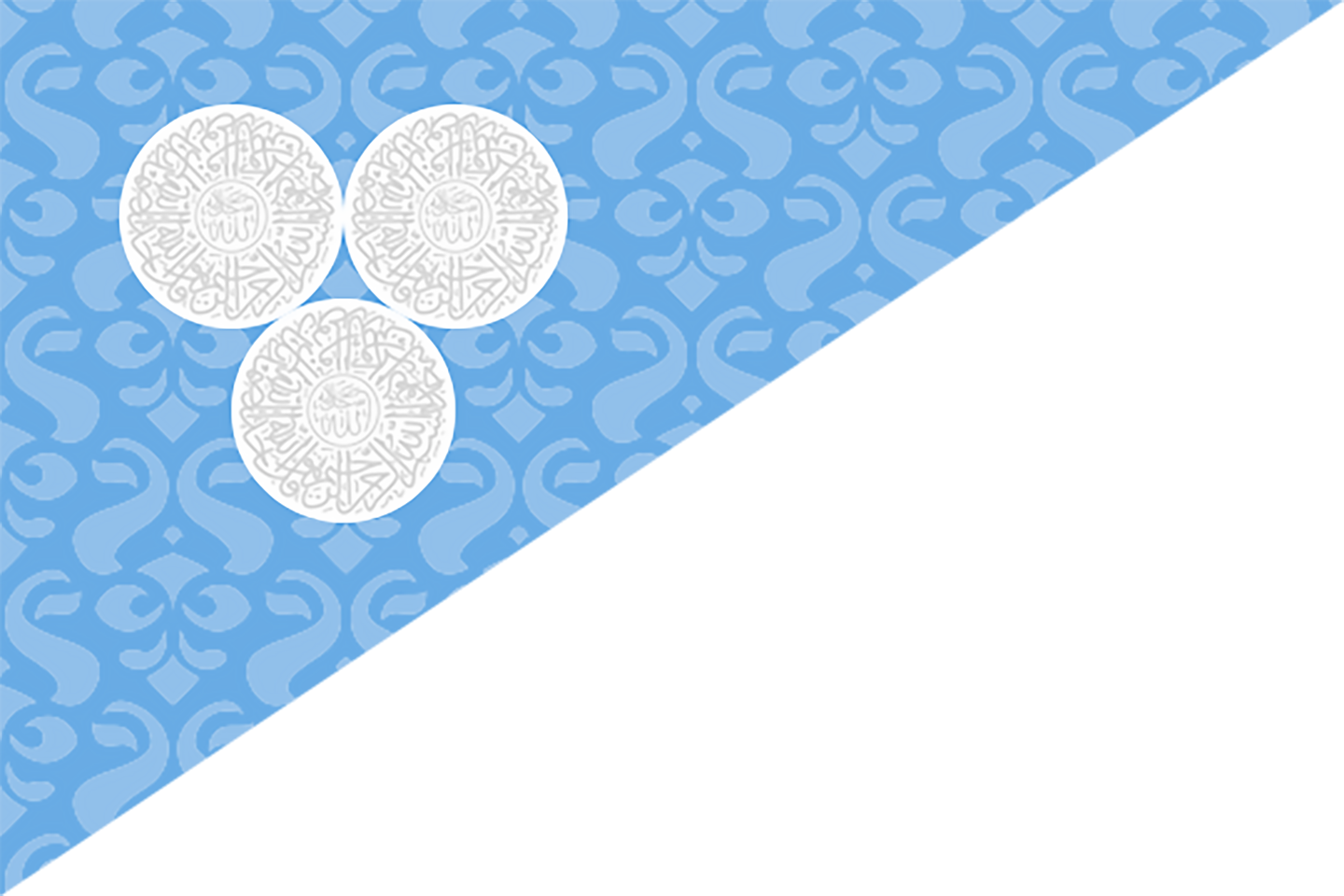
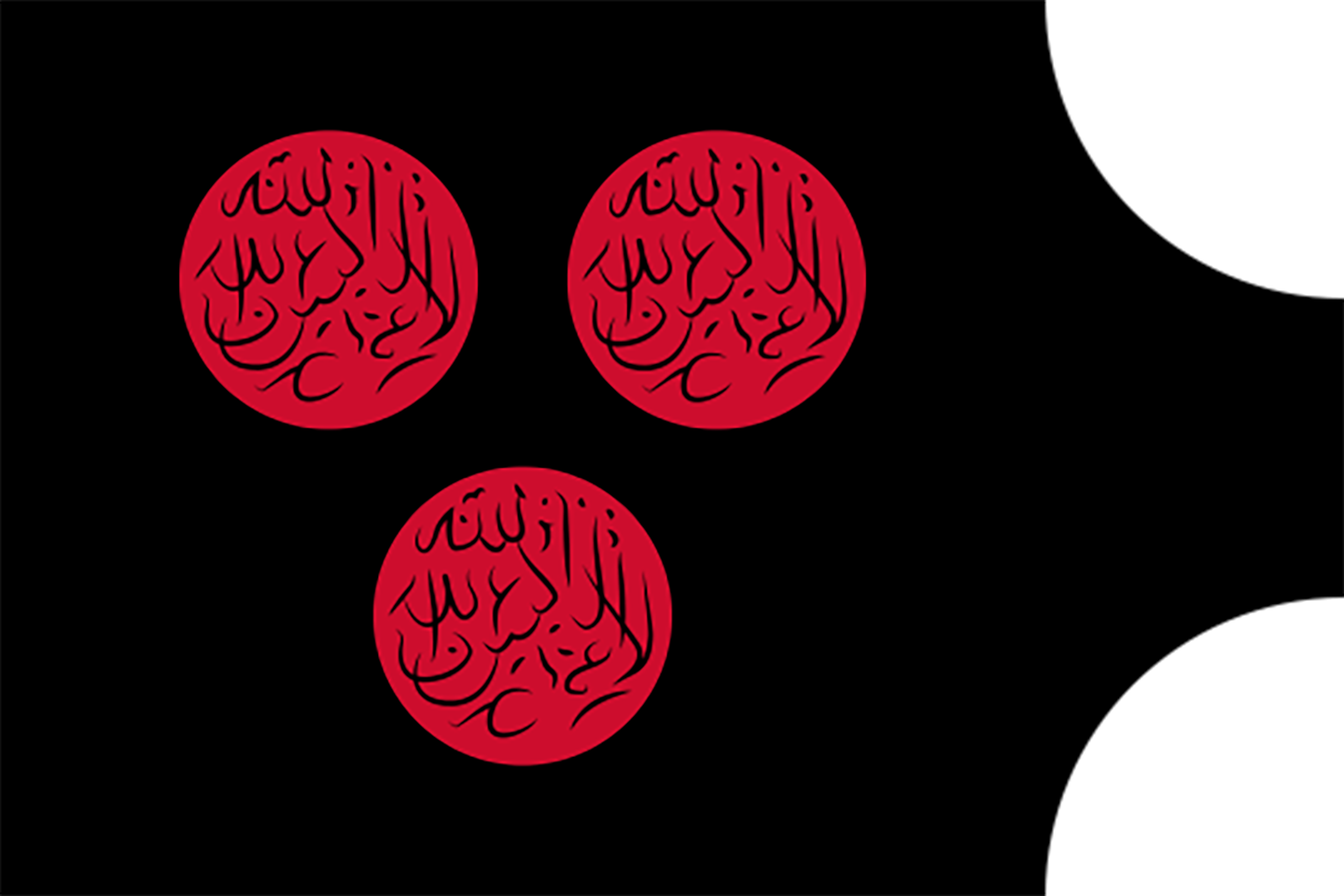
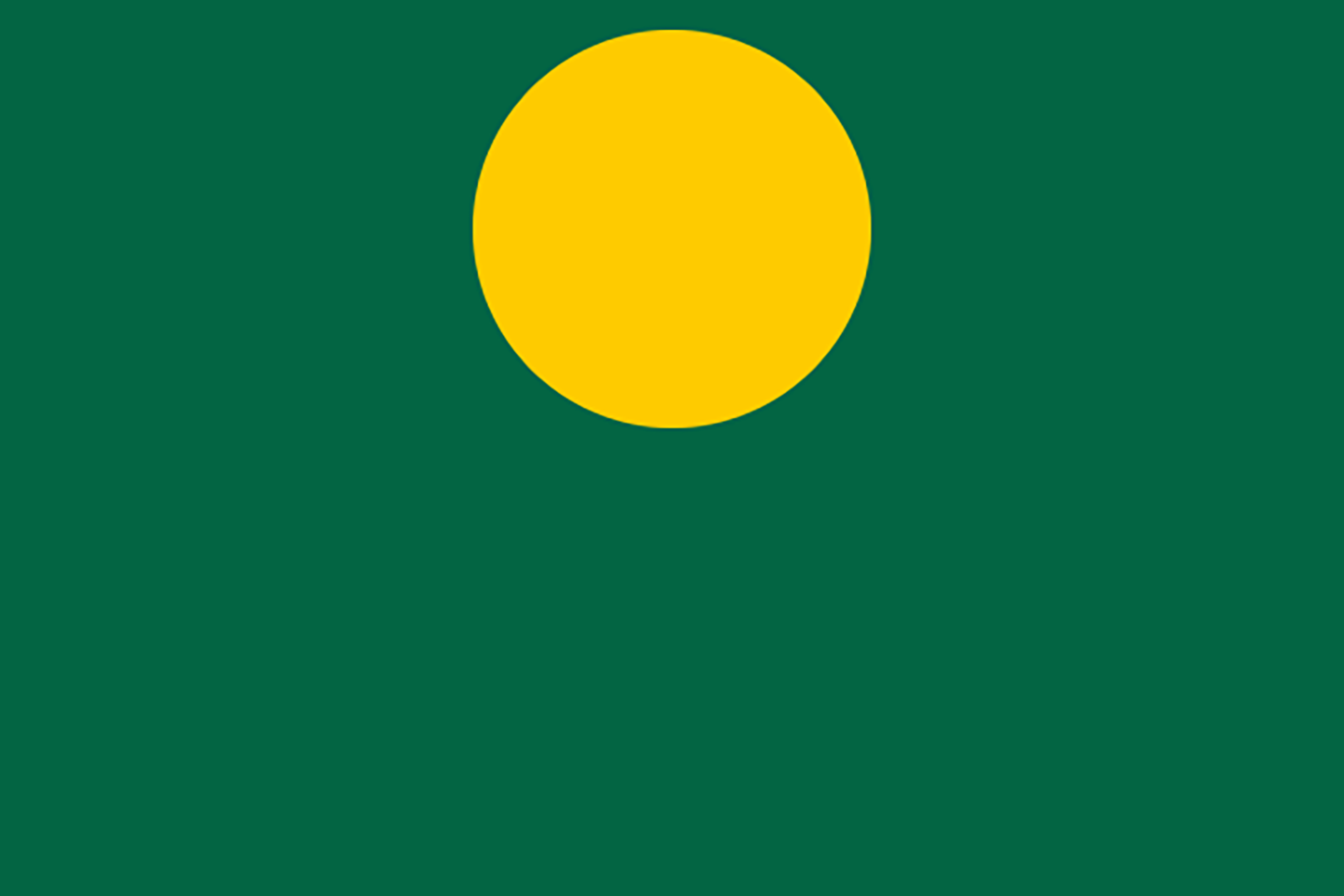
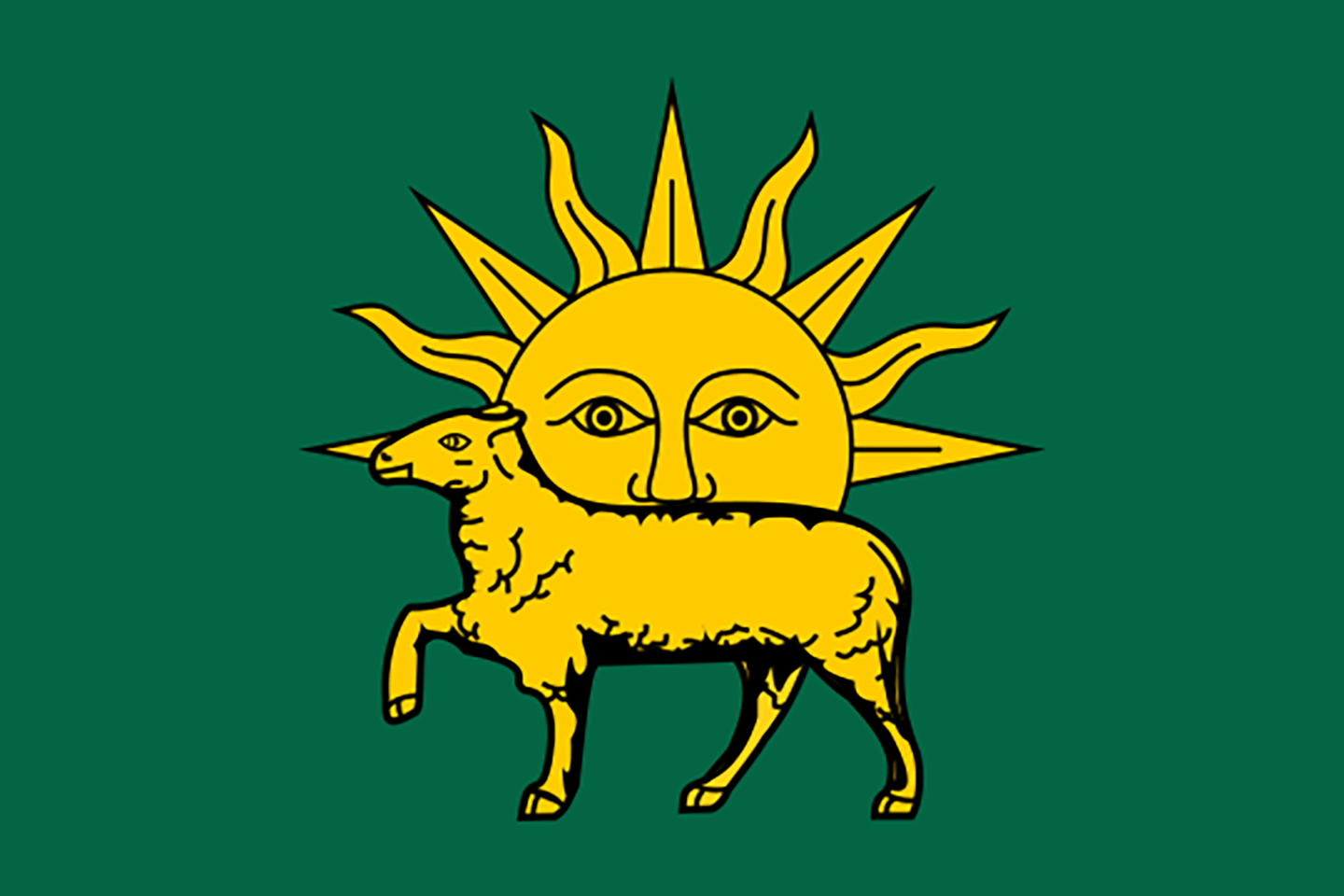
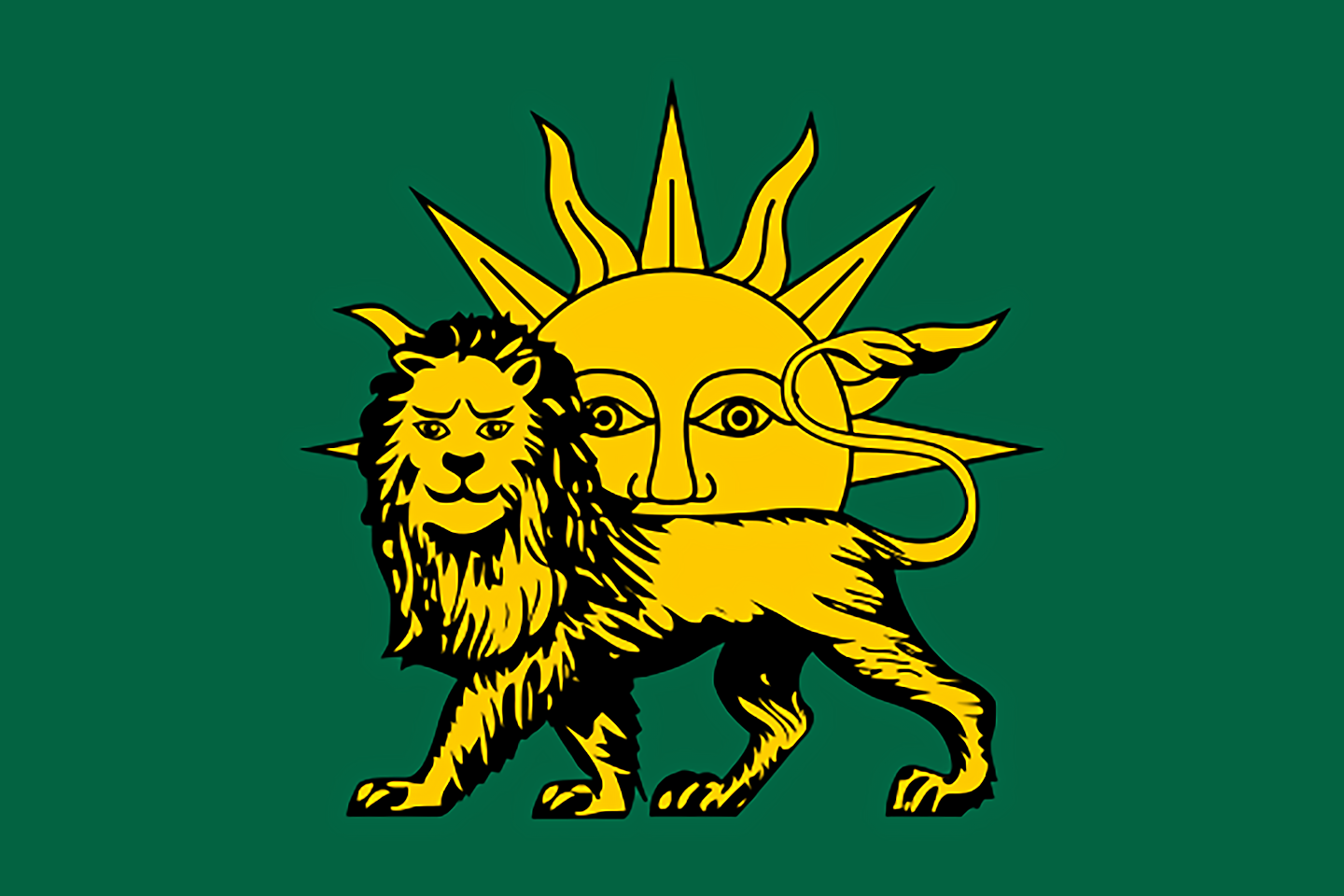
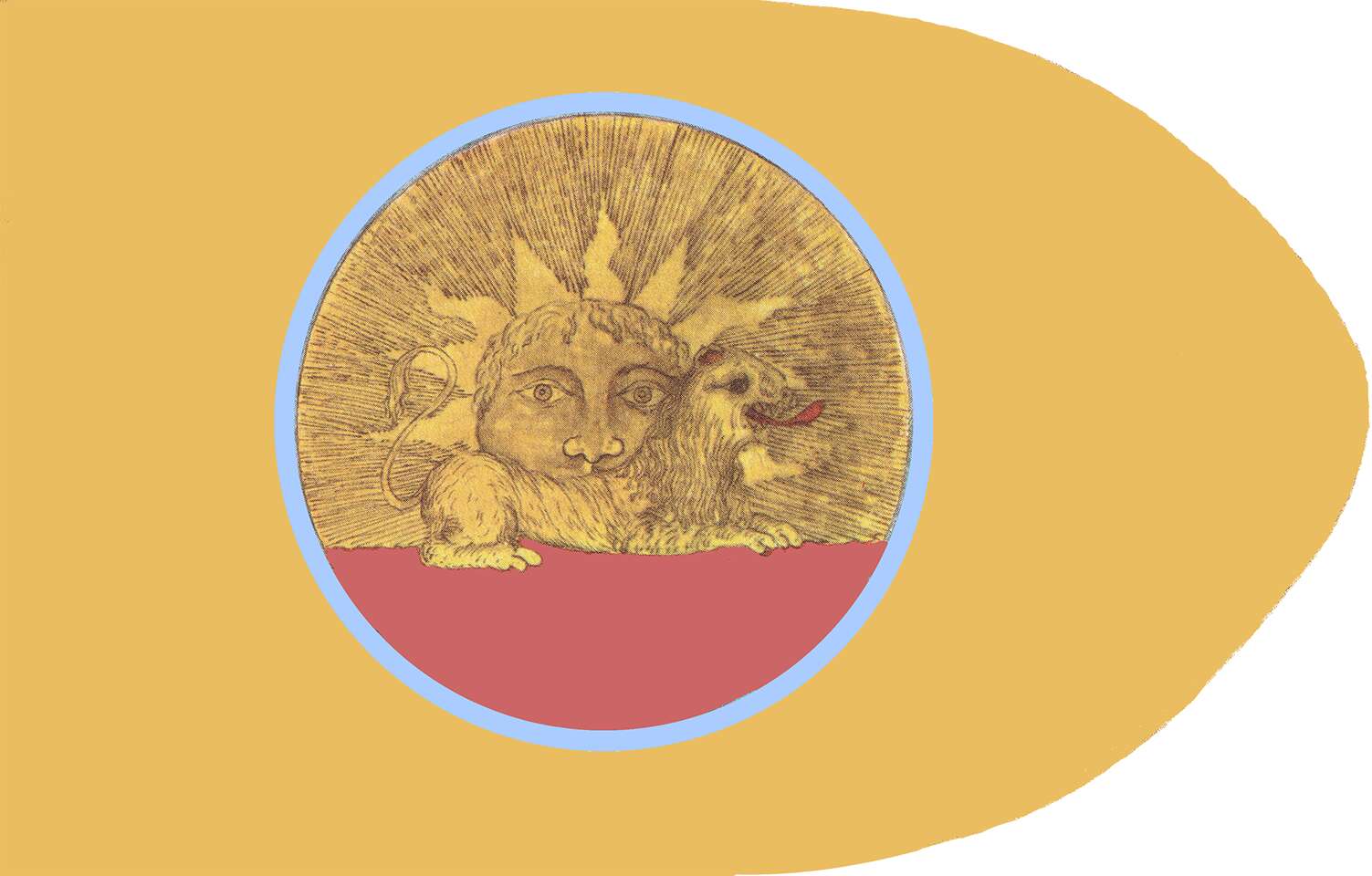
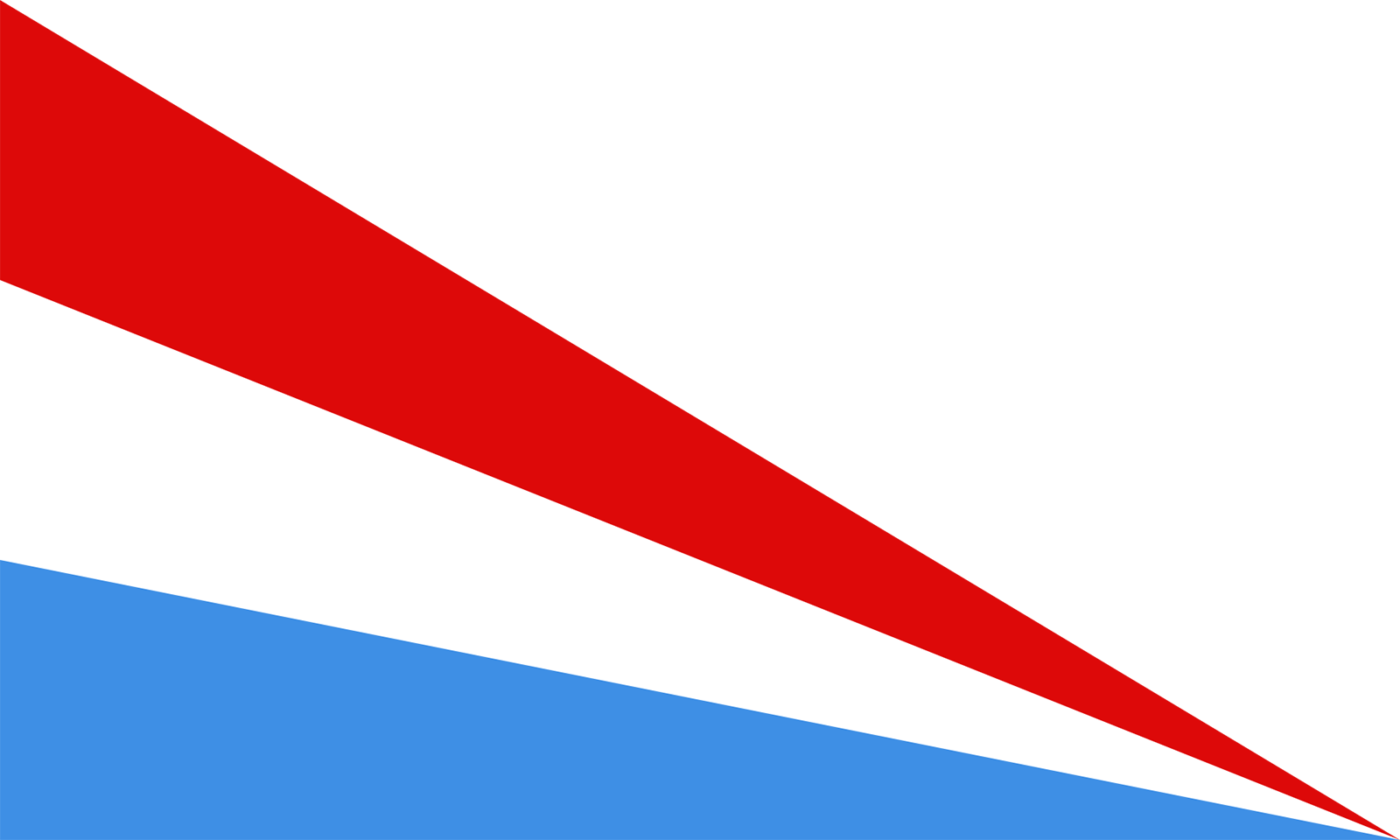
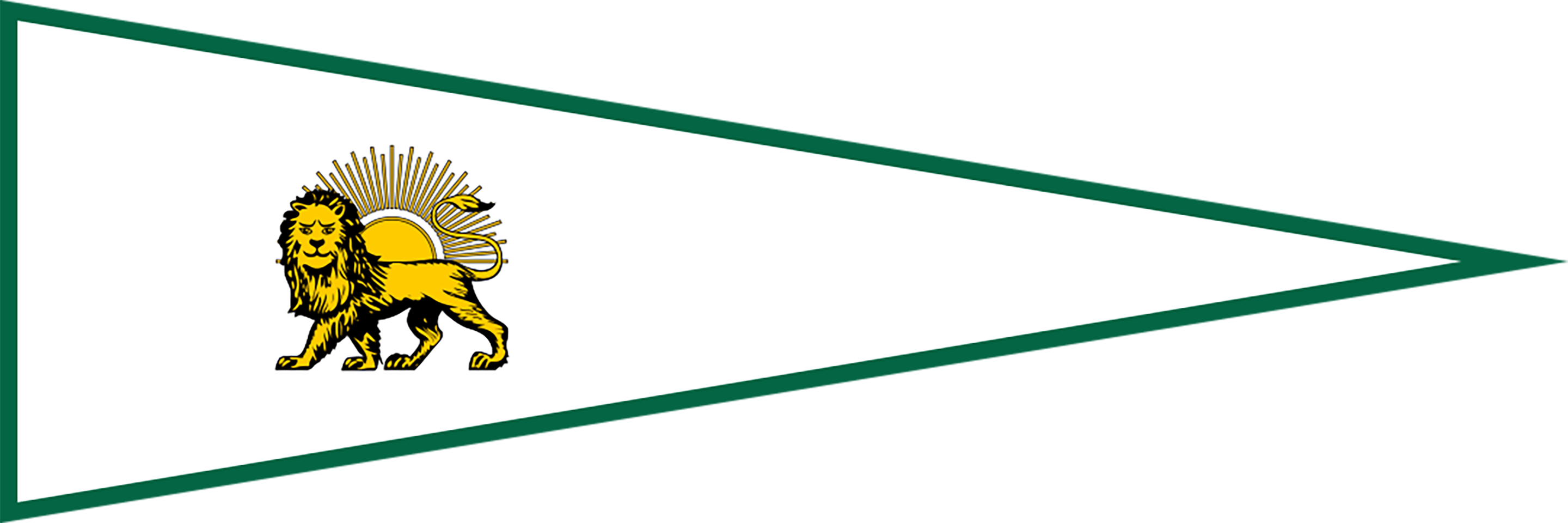
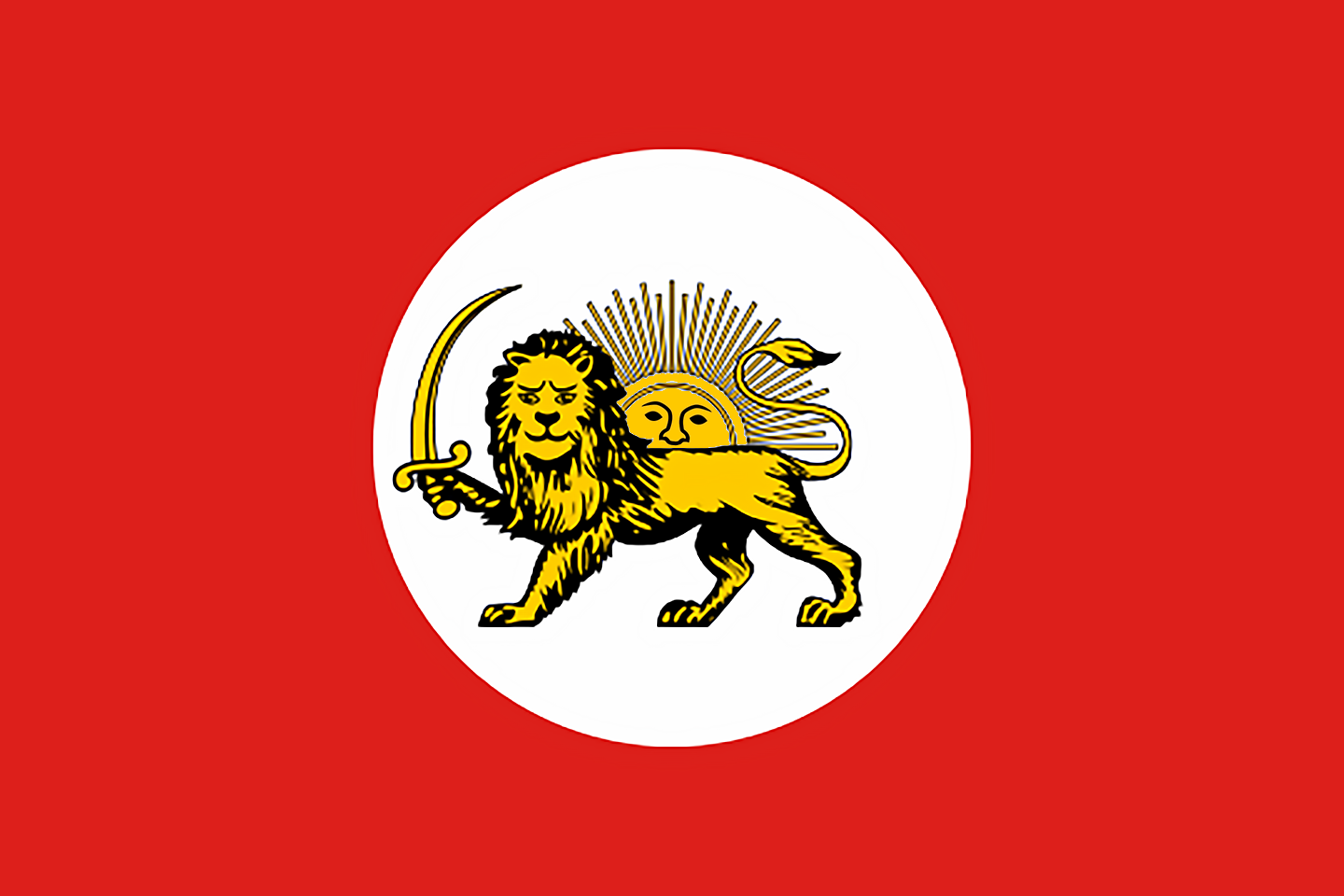
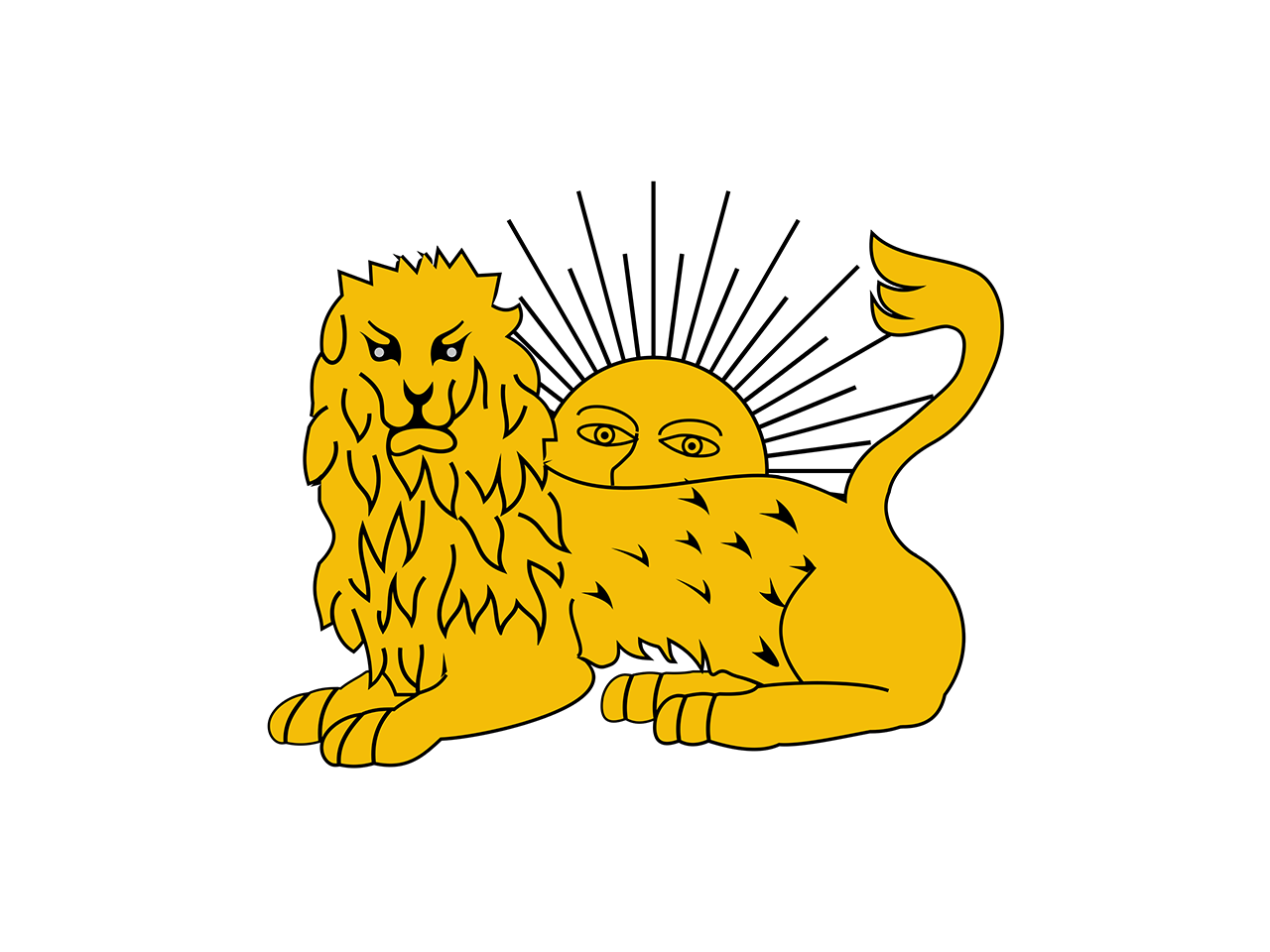
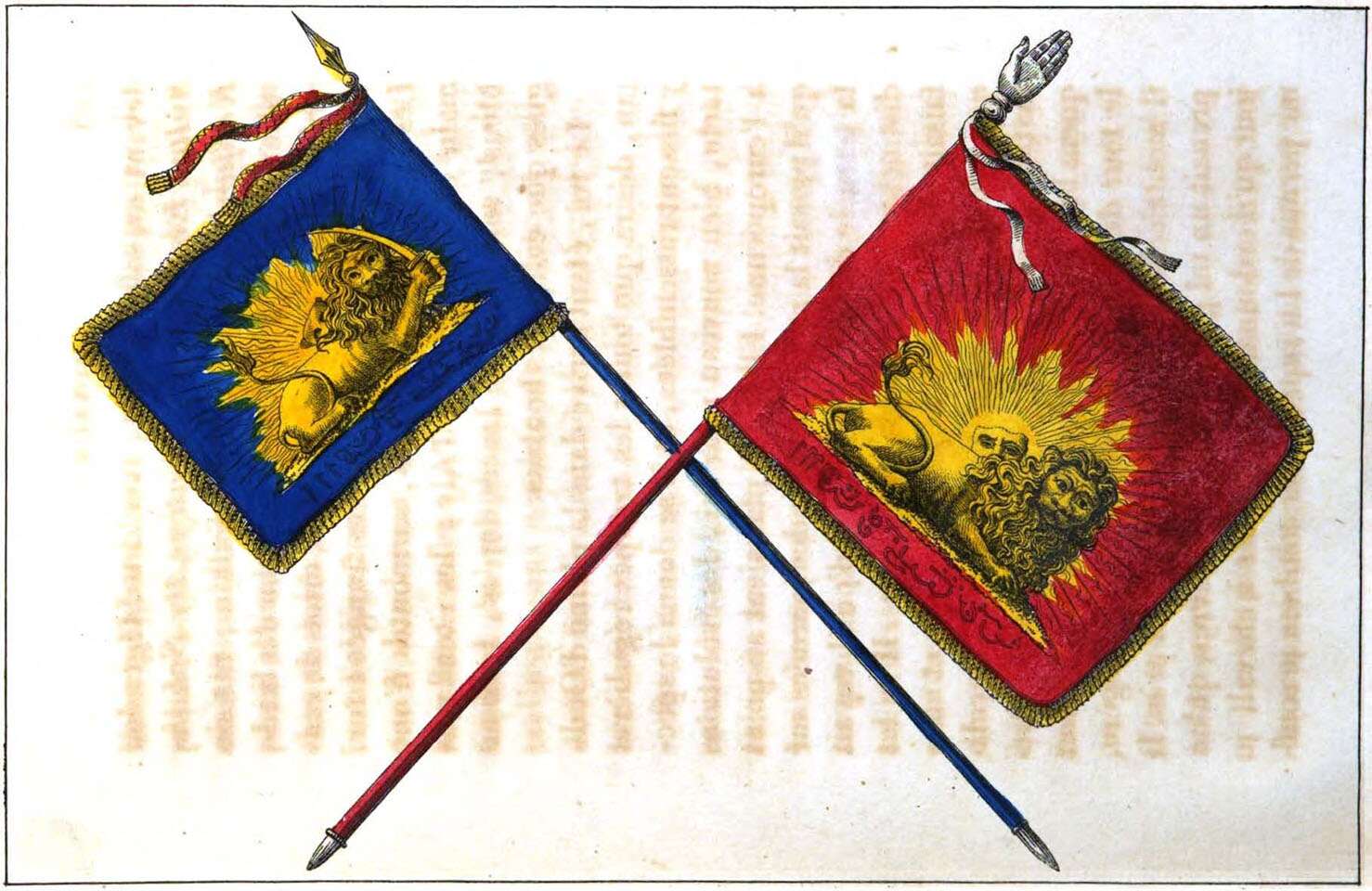
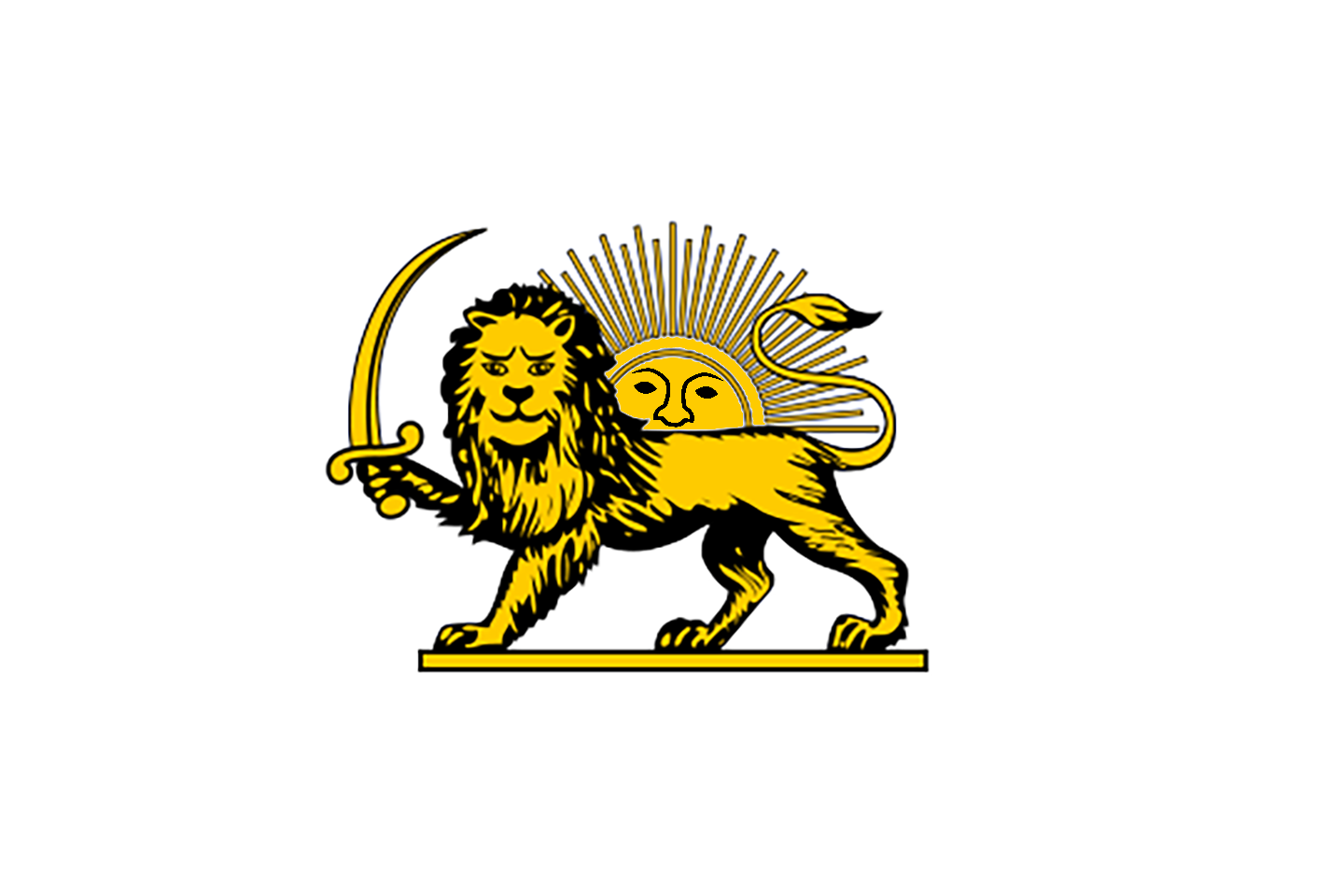
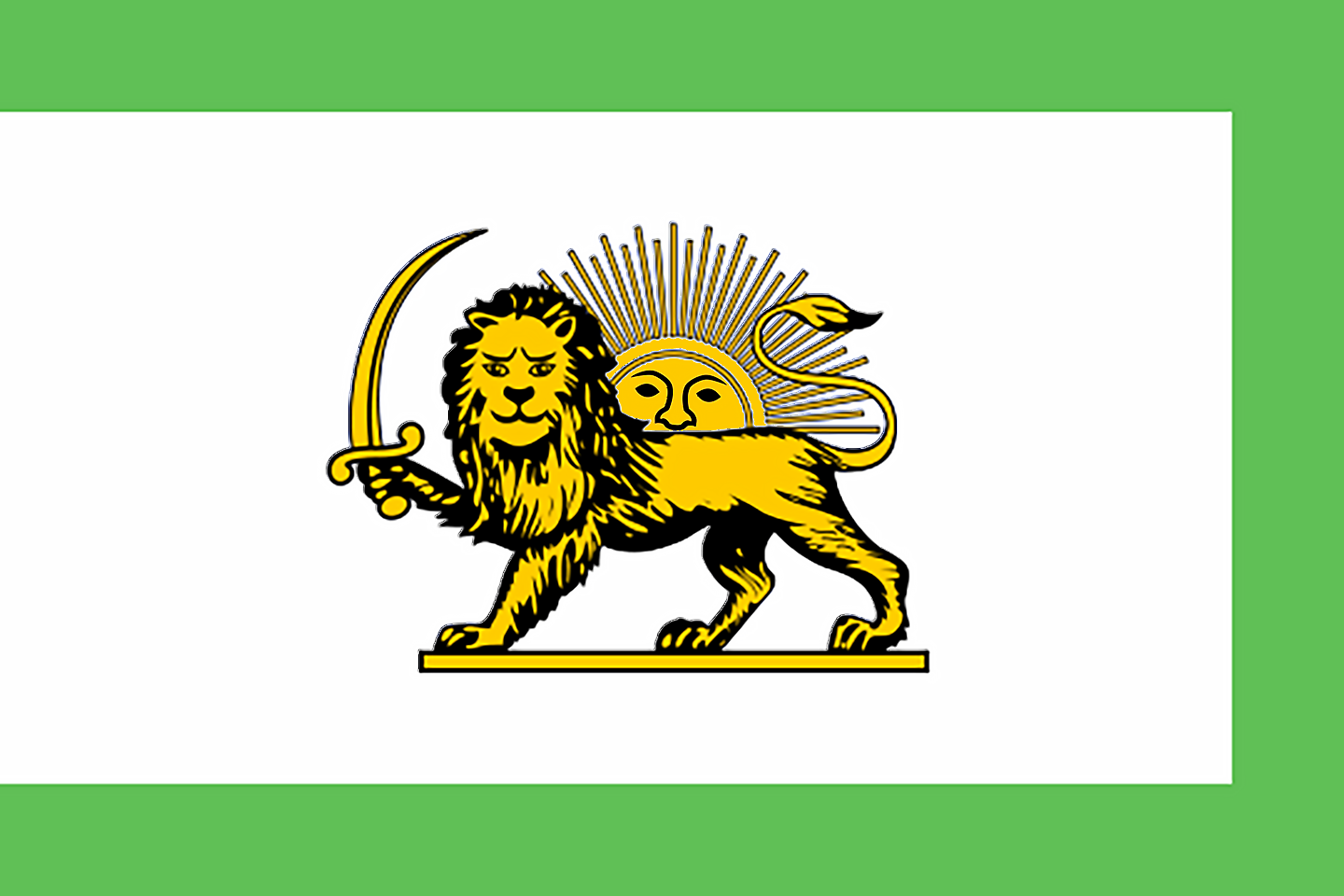
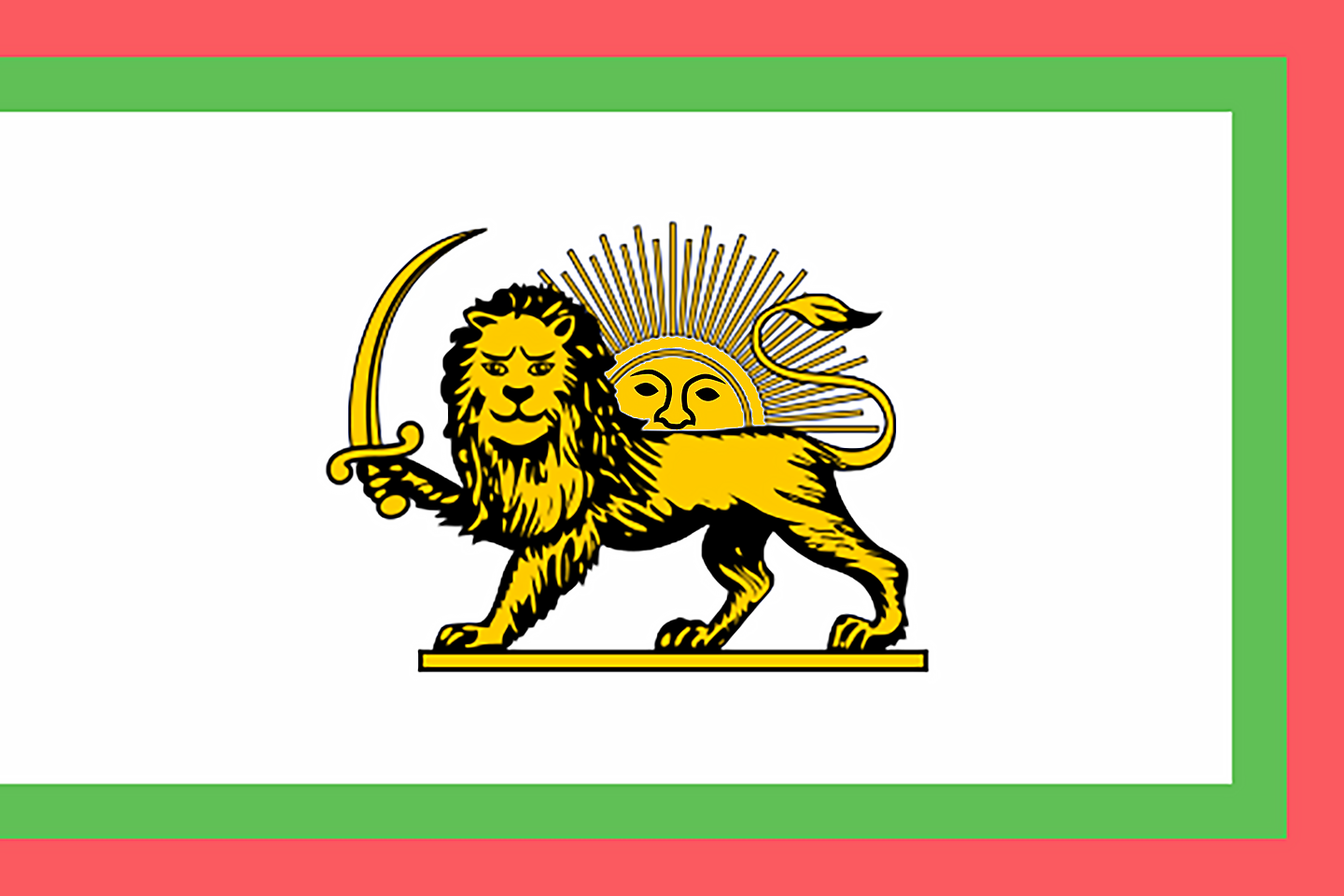
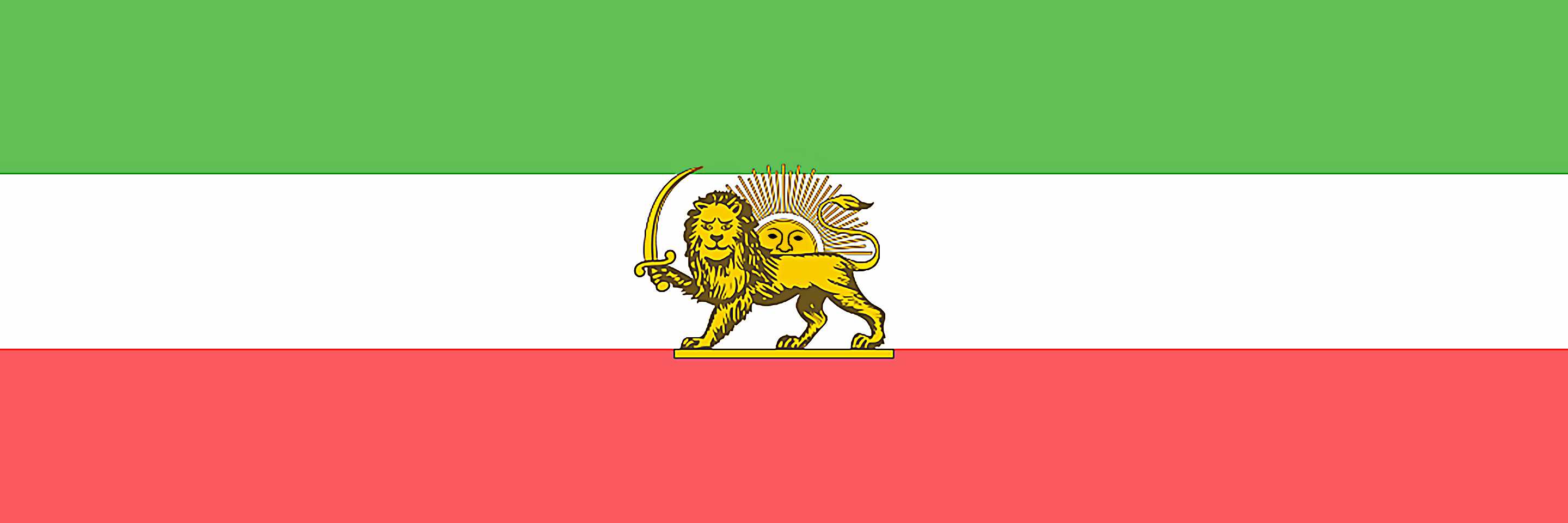
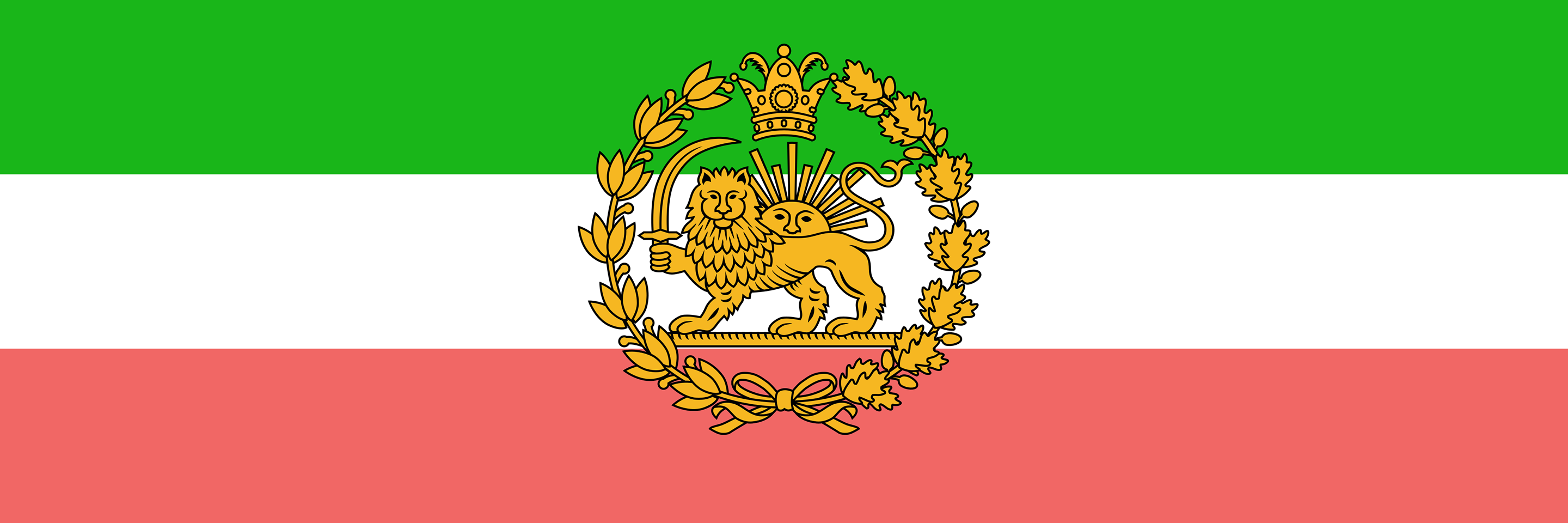
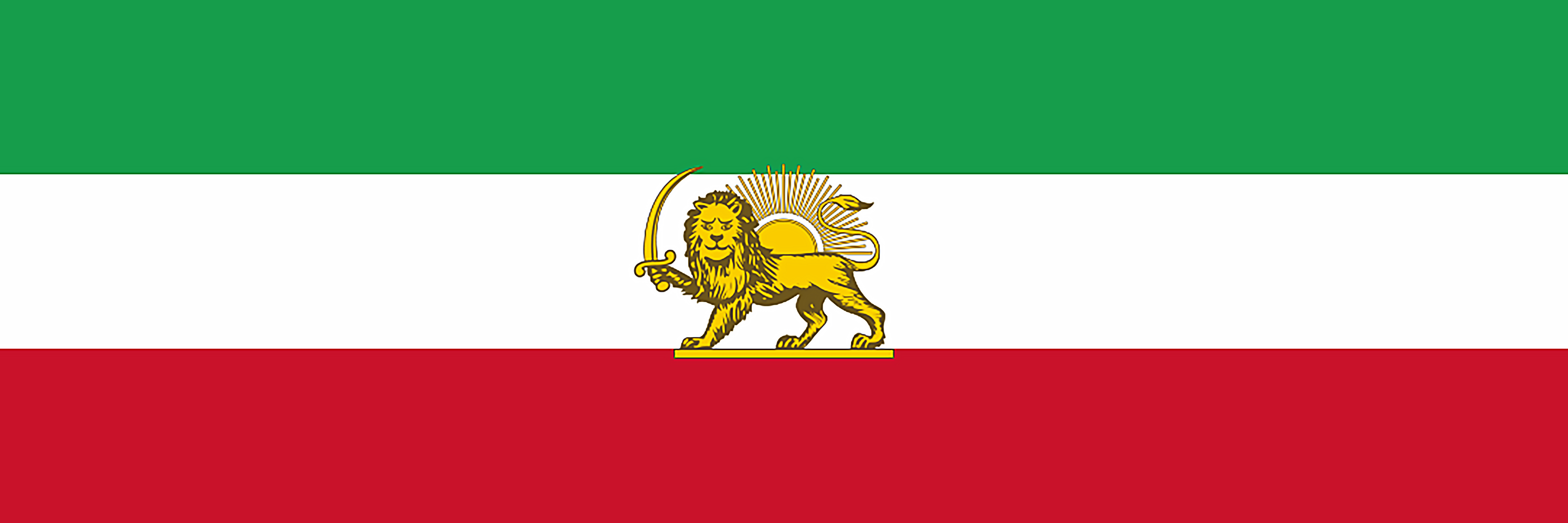
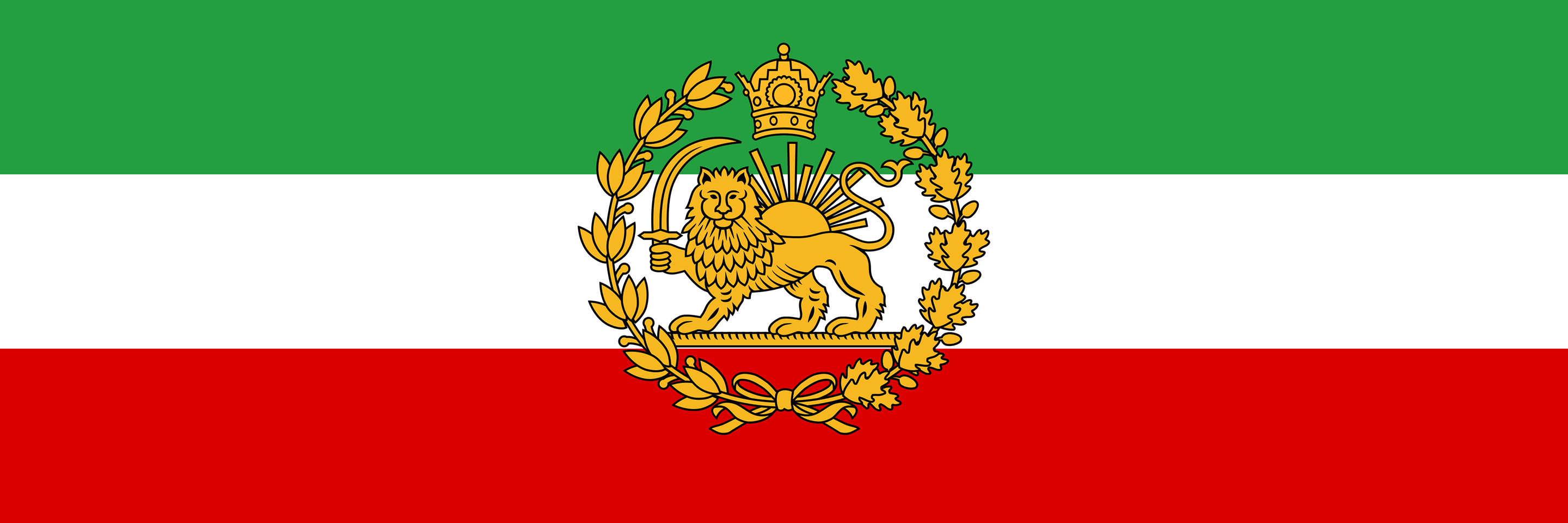
The history of Iran’s flags reflects the country’s long political and cultural evolution, from ancient empires to the modern Islamic Republic. In antiquity, Iranian states used royal standards rather than national flags. One of the oldest known examples is the Bronze Age “Shahdad Standard” (3rd millennium BCE), while later empires, such as the Achaemenids, employed symbolic banners to represent royal authority. By the medieval period, distinctive emblems began to emerge. The most enduring was the Lion and Sun motif, which appeared on flags from at least the 15th century and combined royal, astrological, and later Islamic meanings. The flags were not standardised, and the versions displayed here are mostly reconstructions from descriptions.
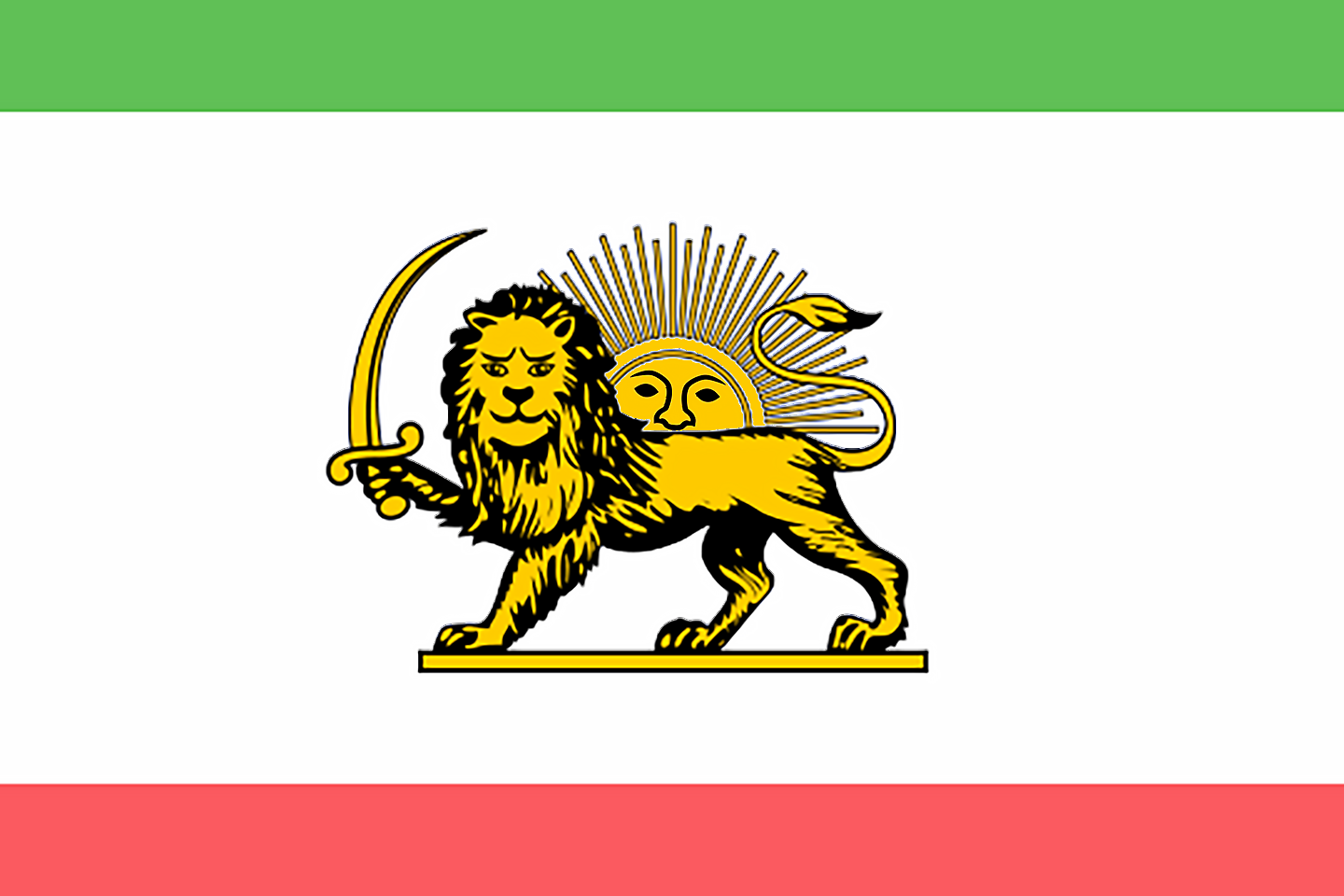
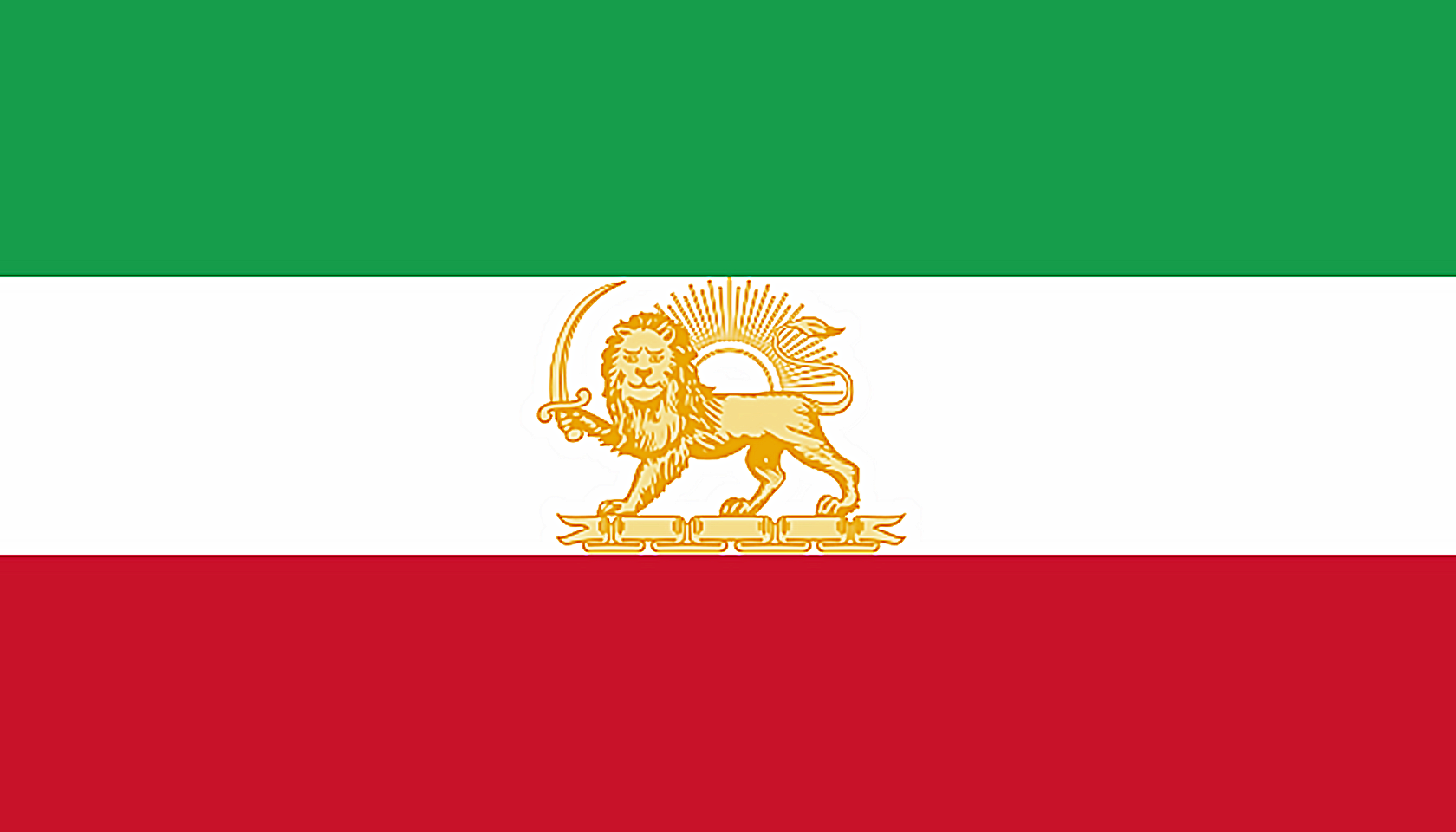
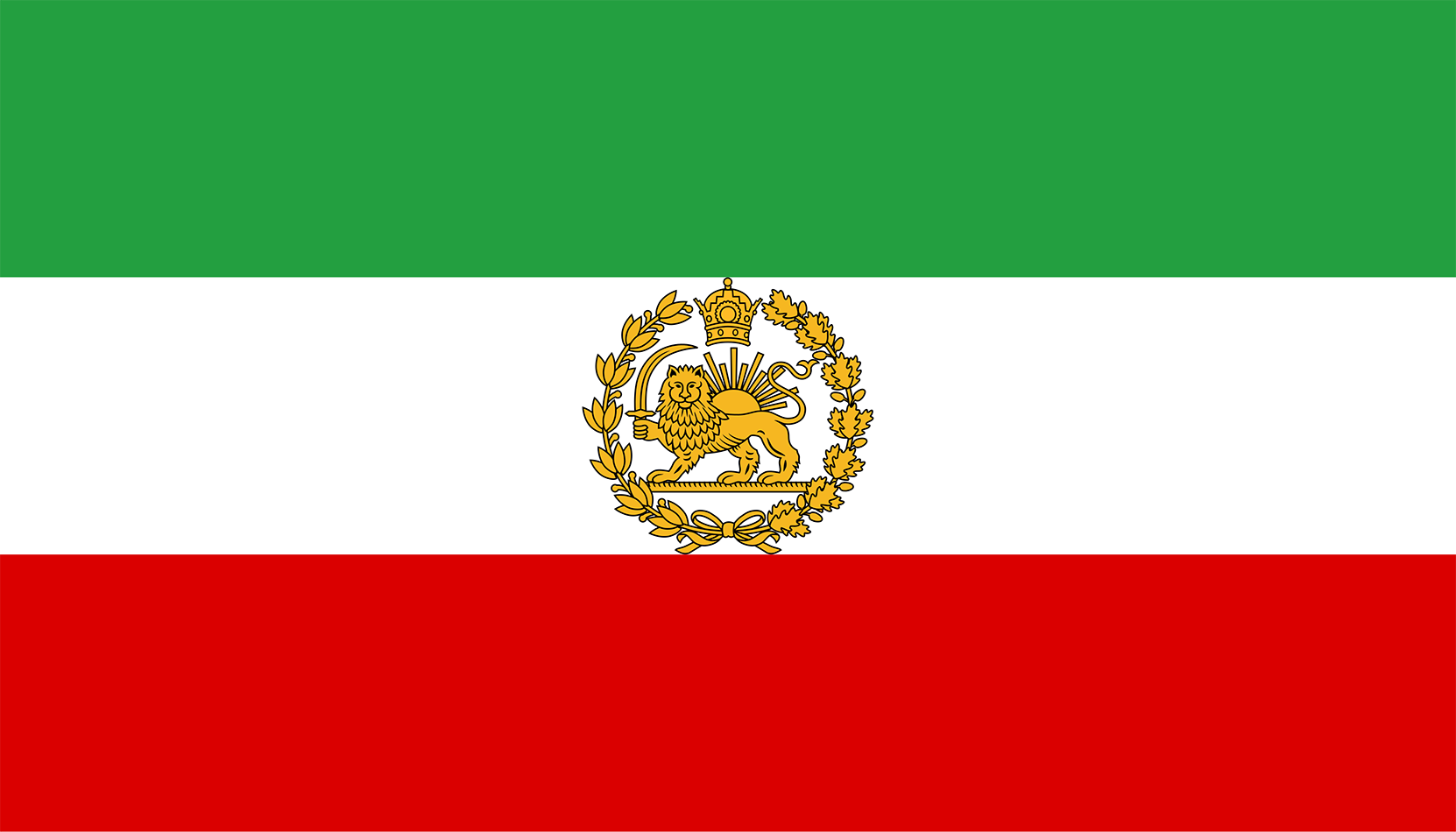
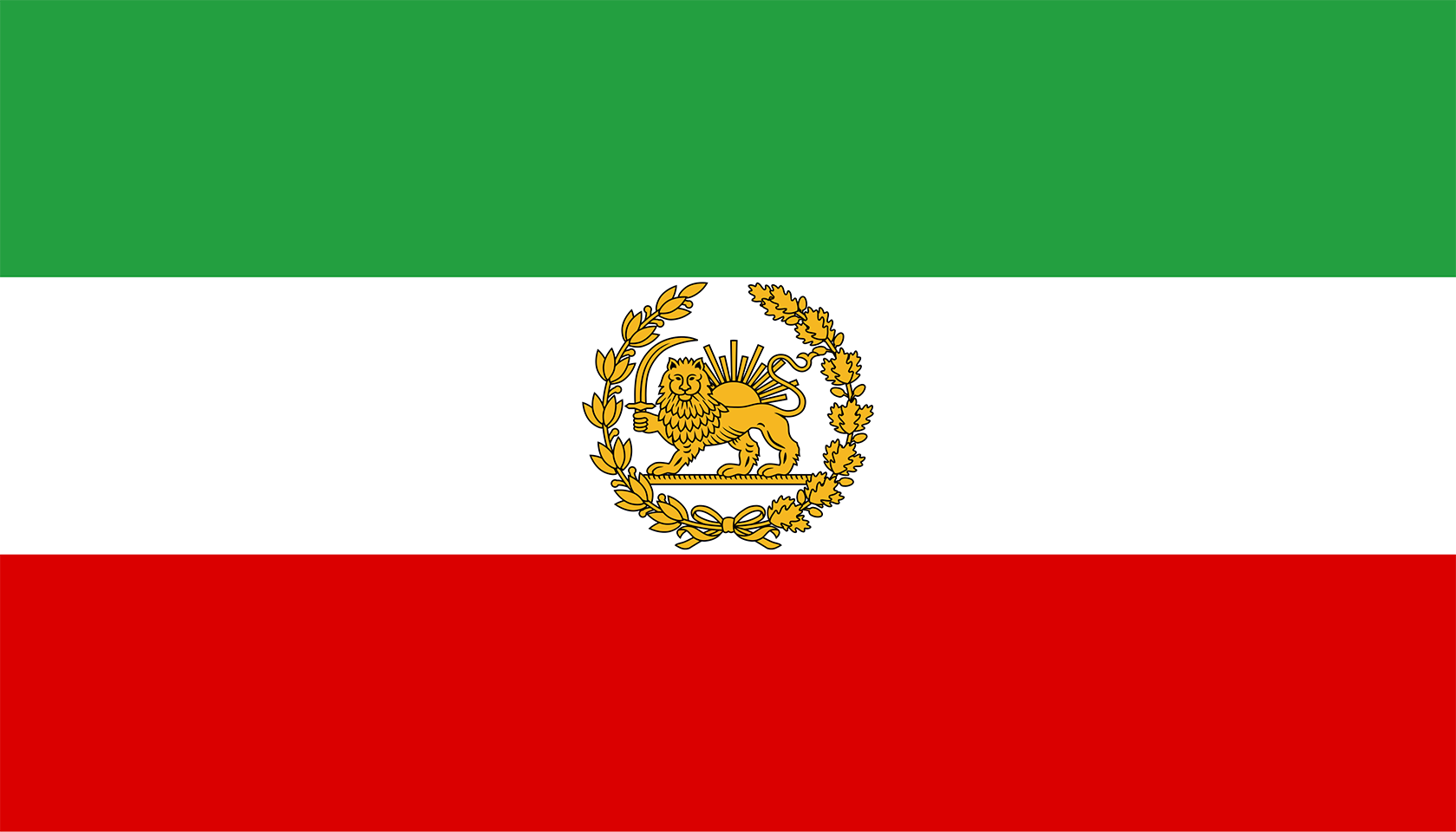
In the 19th century, under the Qajar dynasty, Iran moved toward a more modern national flag. The Lion and Sun was placed on a white field, and later the colours green, white, and red were added. After the Constitutional Revolution of 1906, a tricolour flag (green–white–red) with the Lion and Sun at its centre became the official national design.This tricolour continued under the Pahlavi monarchy (1925–1979), symbolising continuity between ancient Persian identity and modern statehood.
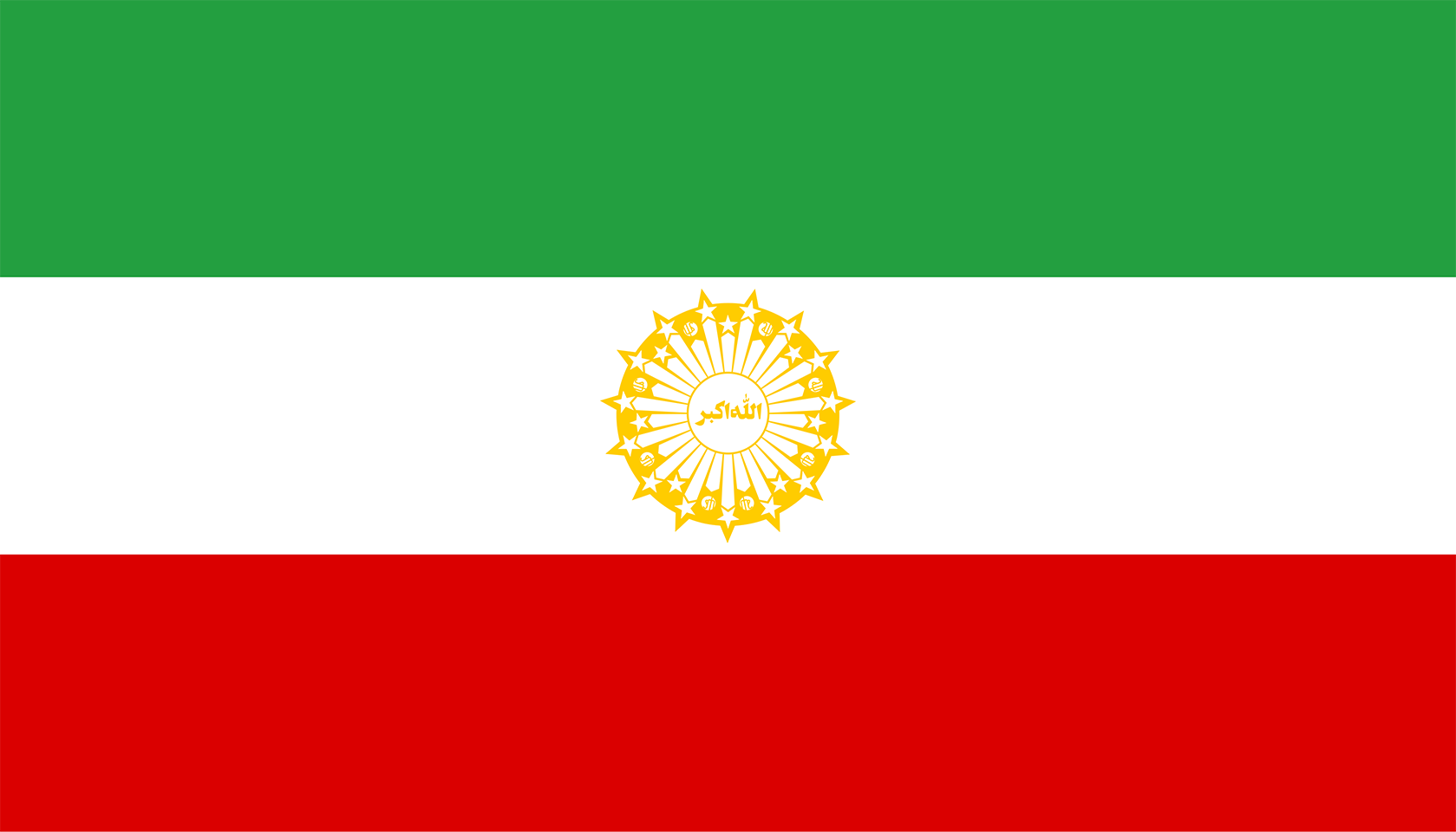
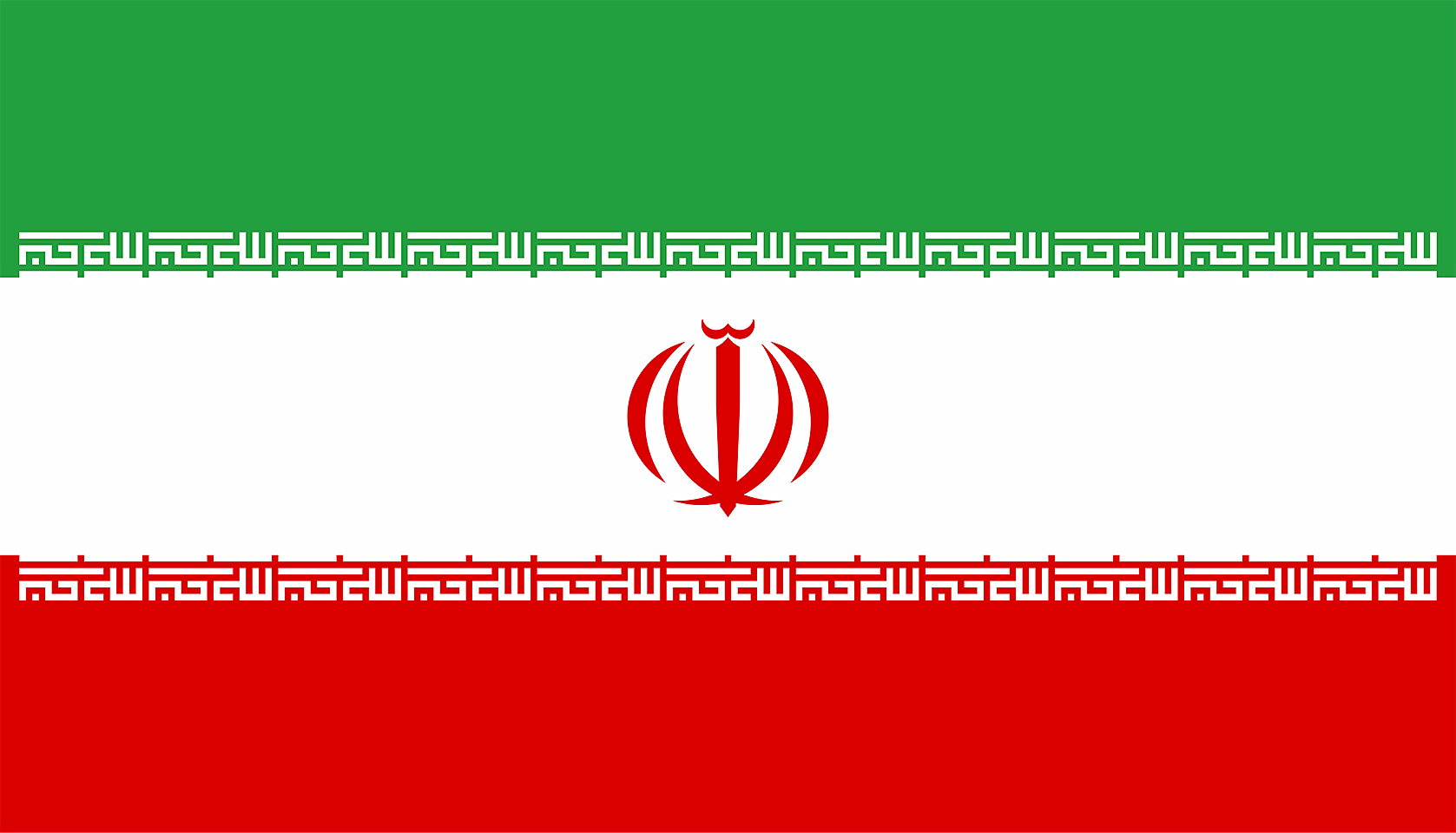
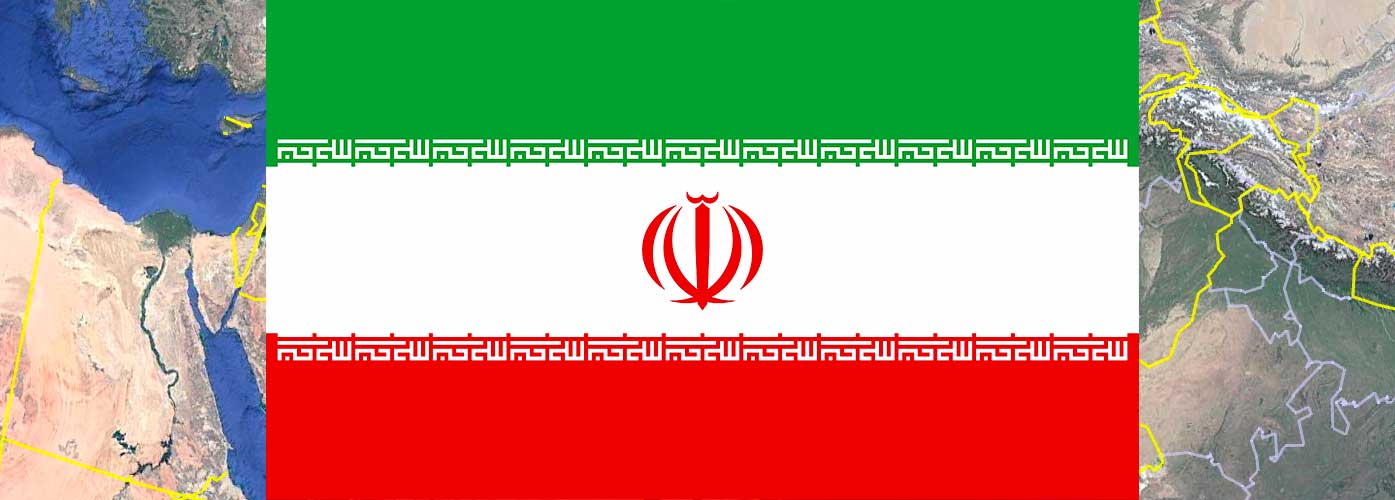
Following the 1979 Iranian Revolution, the flag was fundamentally redesigned. The Lion and Sun was removed and replaced by a stylised Islamic emblem, while the words “Allāhu akbar” were added along the borders of the stripes. The green–white–red tricolor was retained but reinterpreted in a religious context. Today’s flag, adopted in 1980, reflects the ideology of the Islamic Republic while preserving elements of Iran’s historical identity.
In the 19th century, under the Qajar dynasty, Iran moved toward a more modern national flag. The Lion and Sun was placed on a white field, and later the colours green, white, and red were added. After the Constitutional Revolution of 1906, a tricolour flag (green–white–red) with the Lion and Sun at its centre became the official national design.This tricolour continued under the Pahlavi monarchy (1925–1979), symbolising continuity between ancient Persian identity and modern statehood.
Following the 1979 Iranian Revolution, the flag was fundamentally redesigned. The Lion and Sun was removed and replaced by a stylised Islamic emblem, while the words “Allāhu akbar” were added along the borders of the stripes. The green–white–red tricolor was retained but reinterpreted in a religious context. Today’s flag, adopted in 1980, reflects the ideology of the Islamic Republic while preserving elements of Iran’s historical identity.