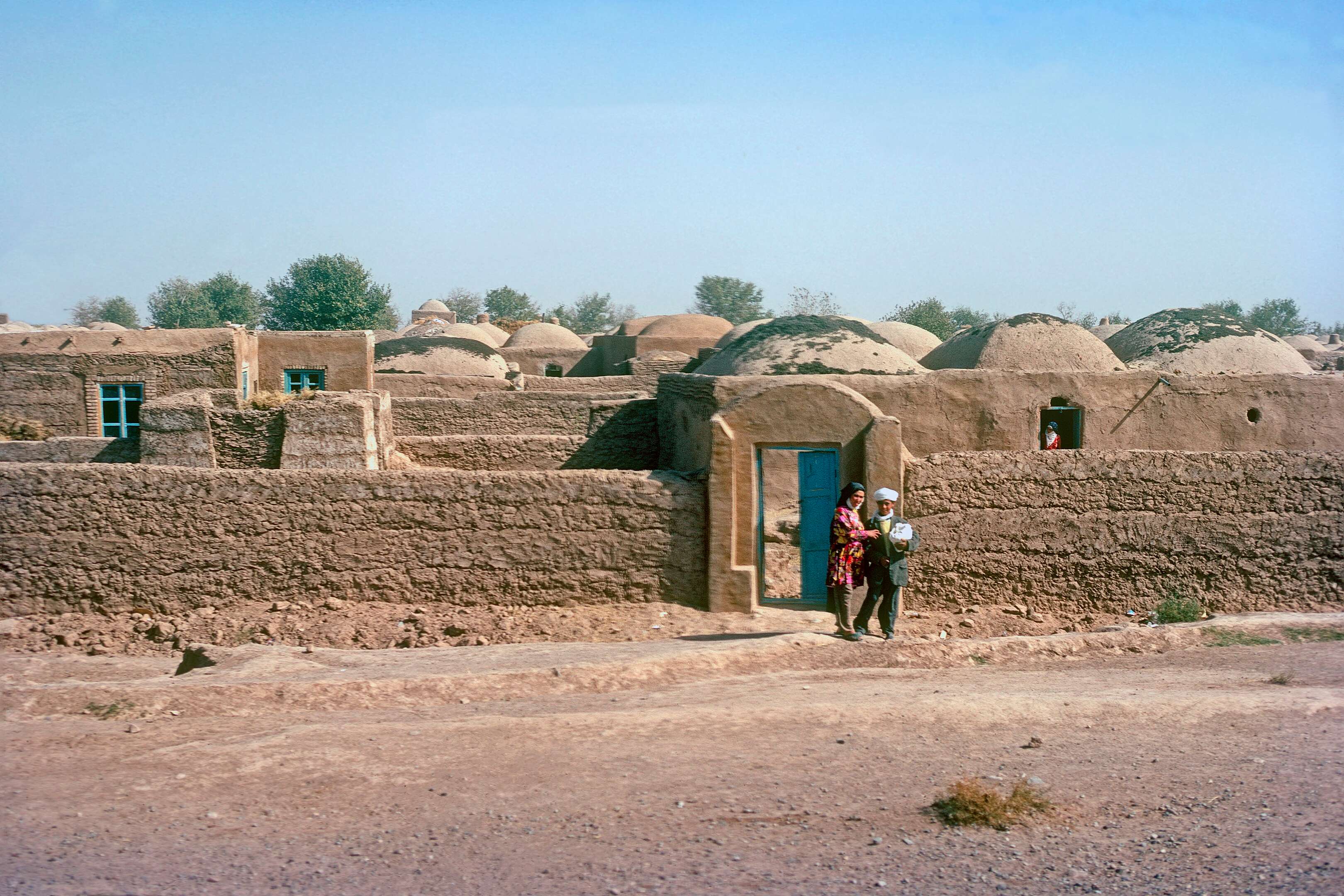




North- and Razavi Khorasan province in northeast Iran
25-30 October 1973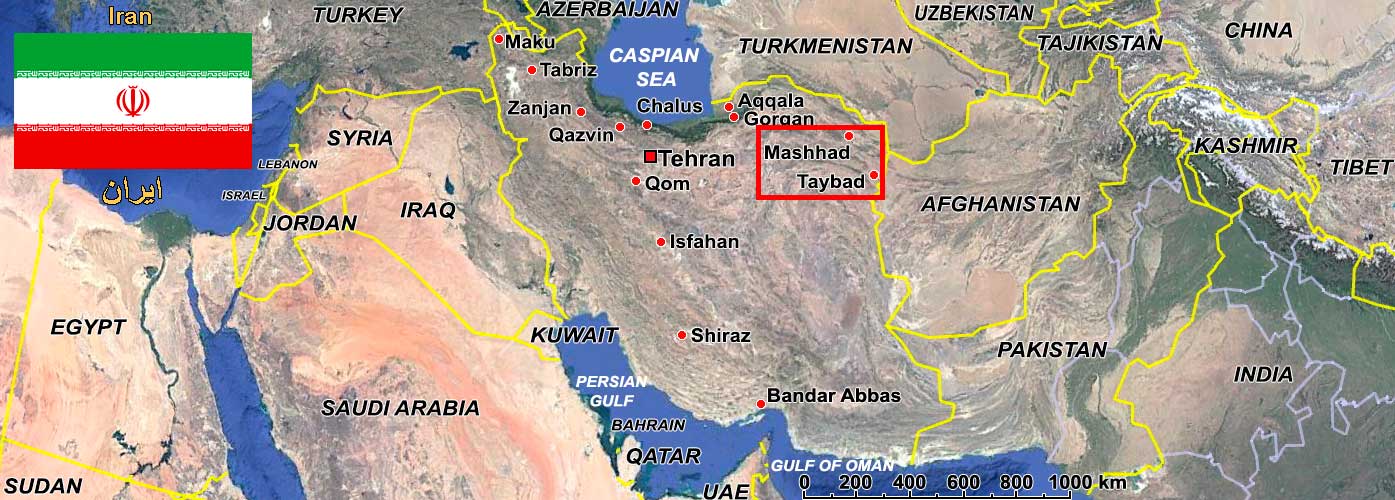
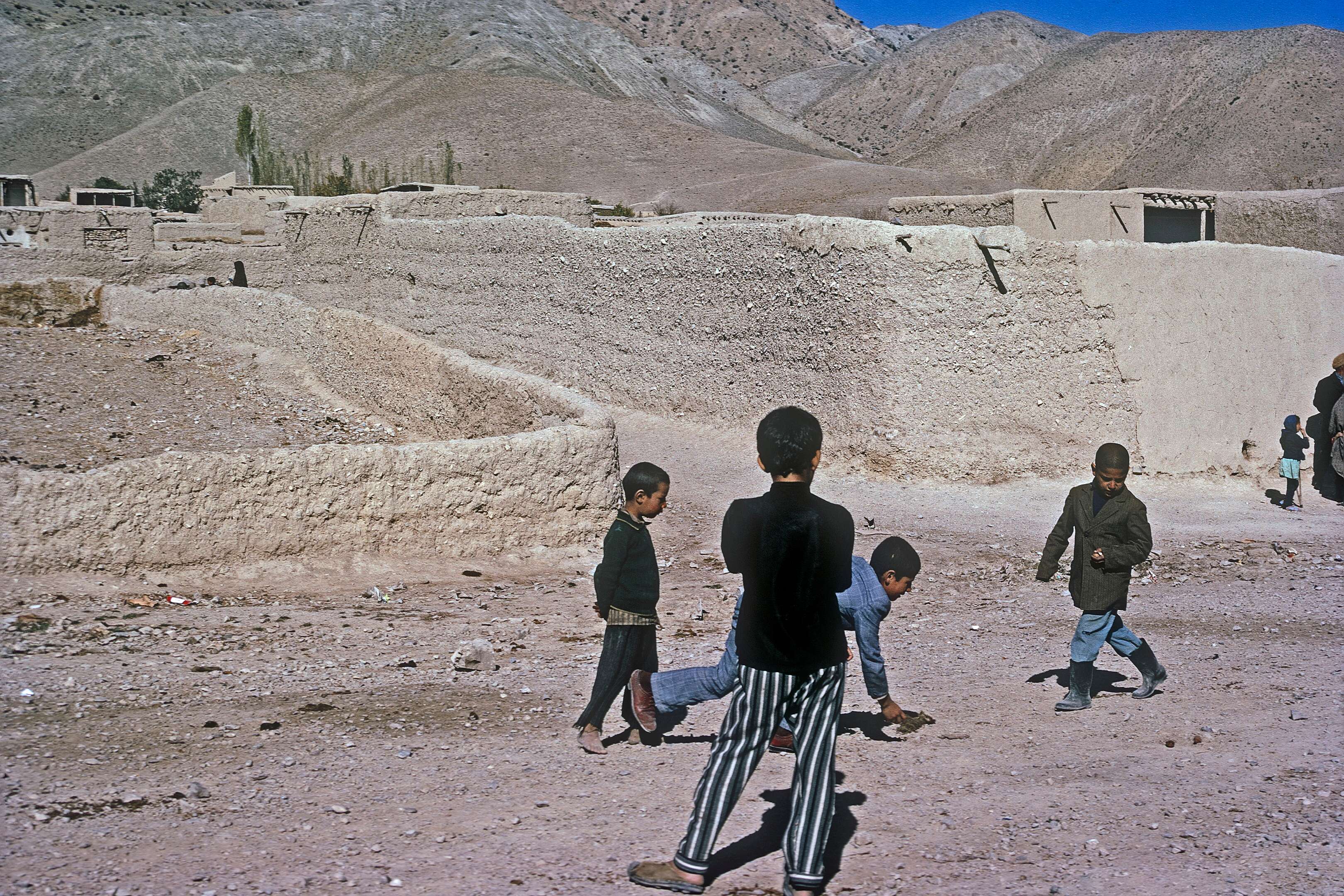
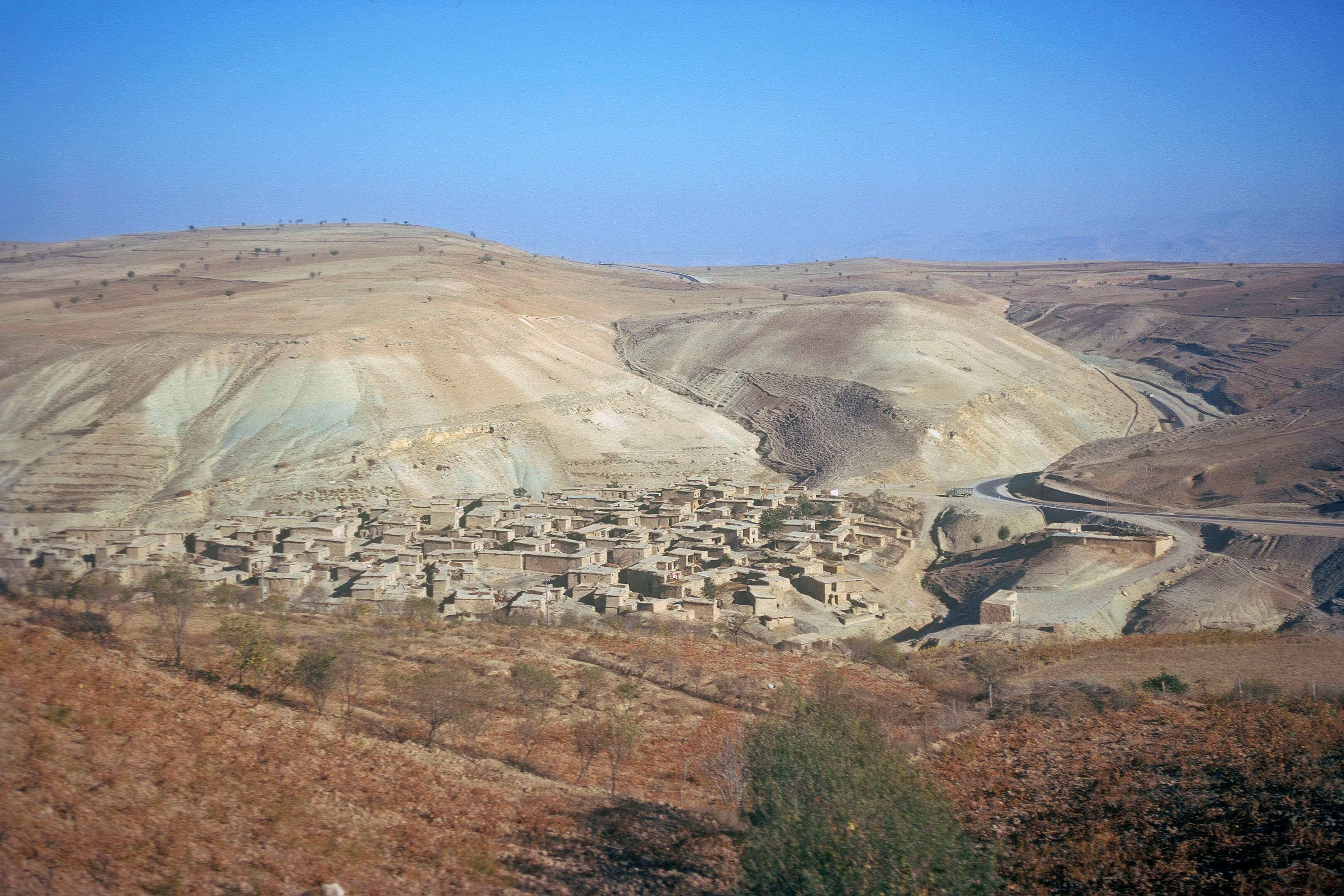
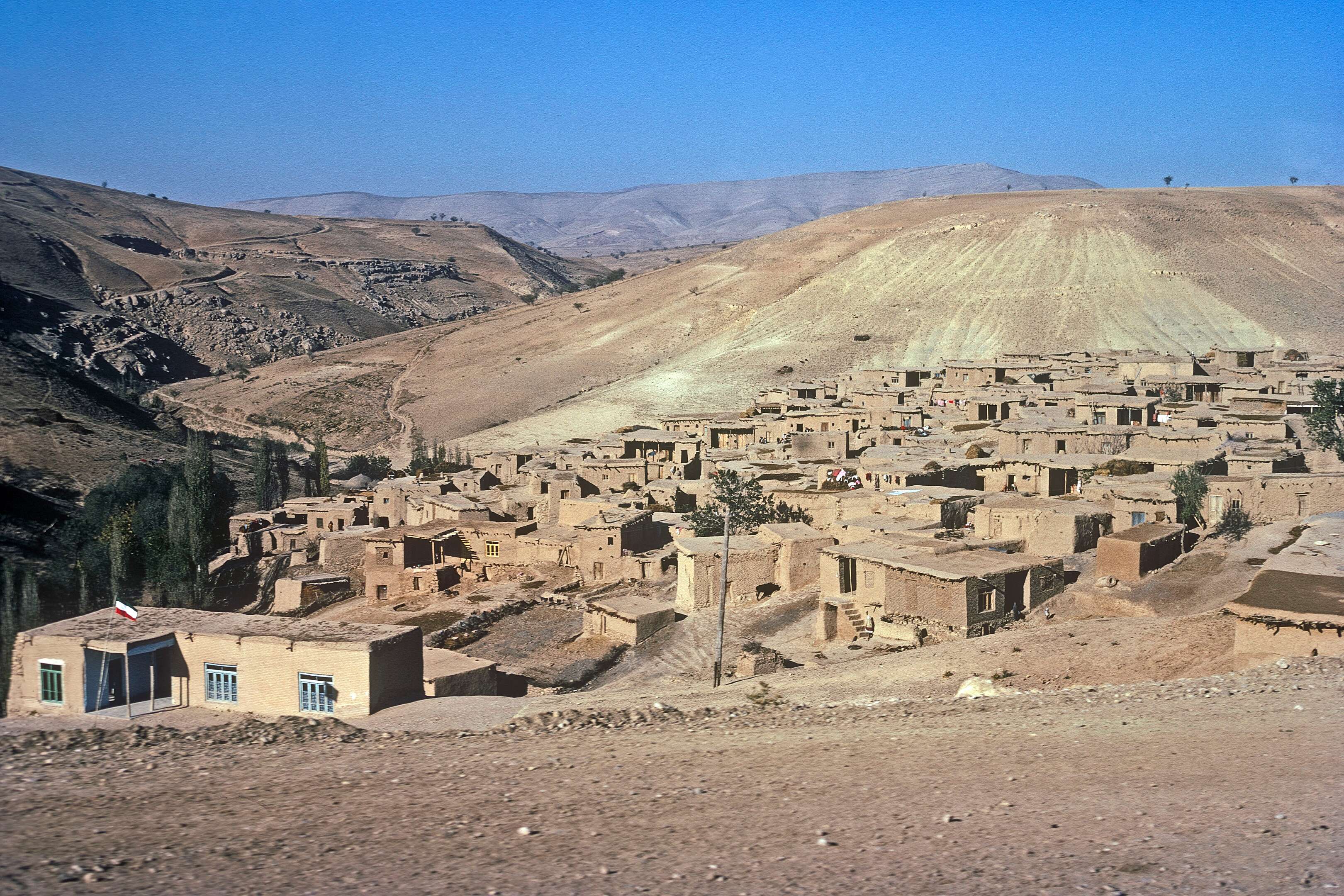
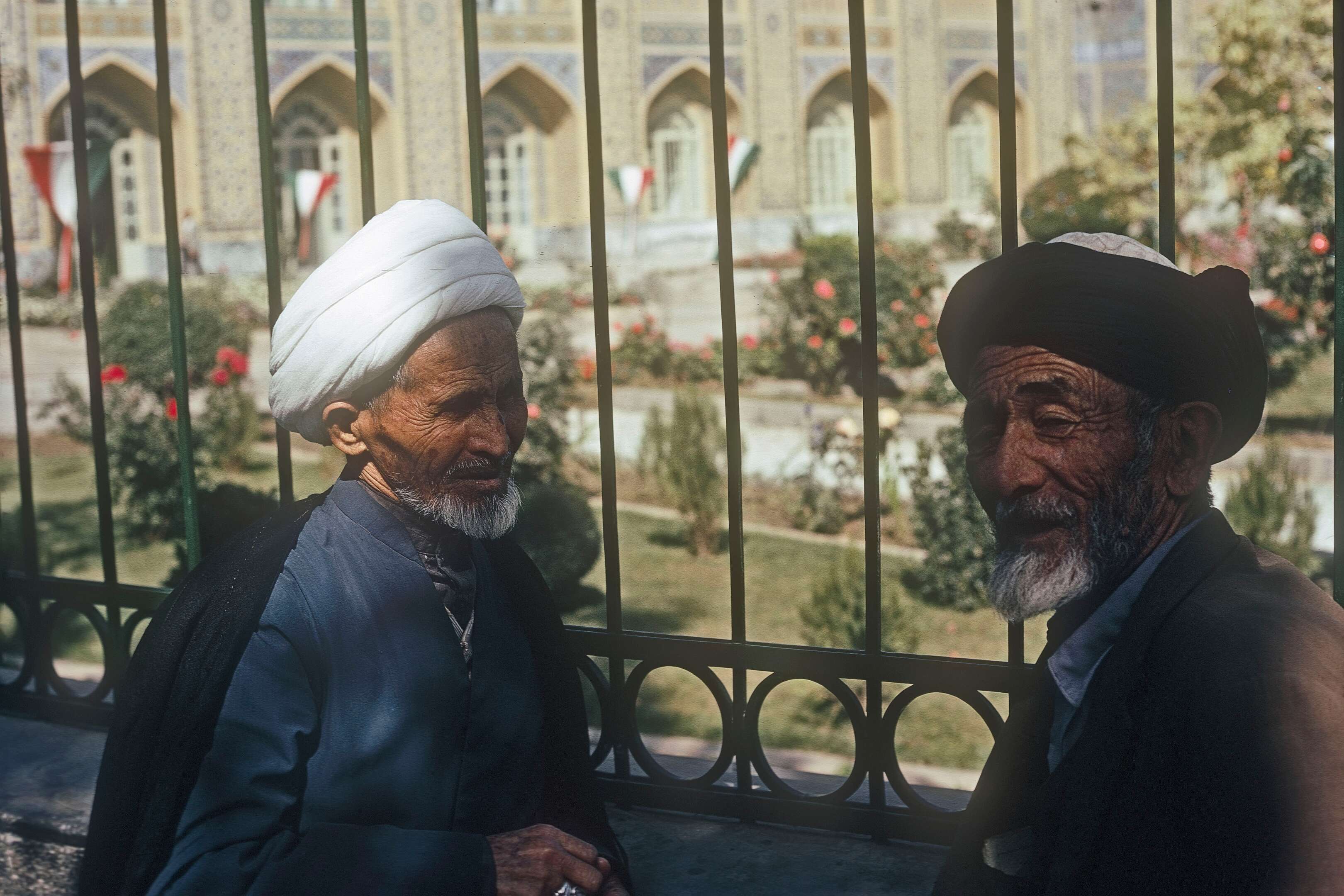
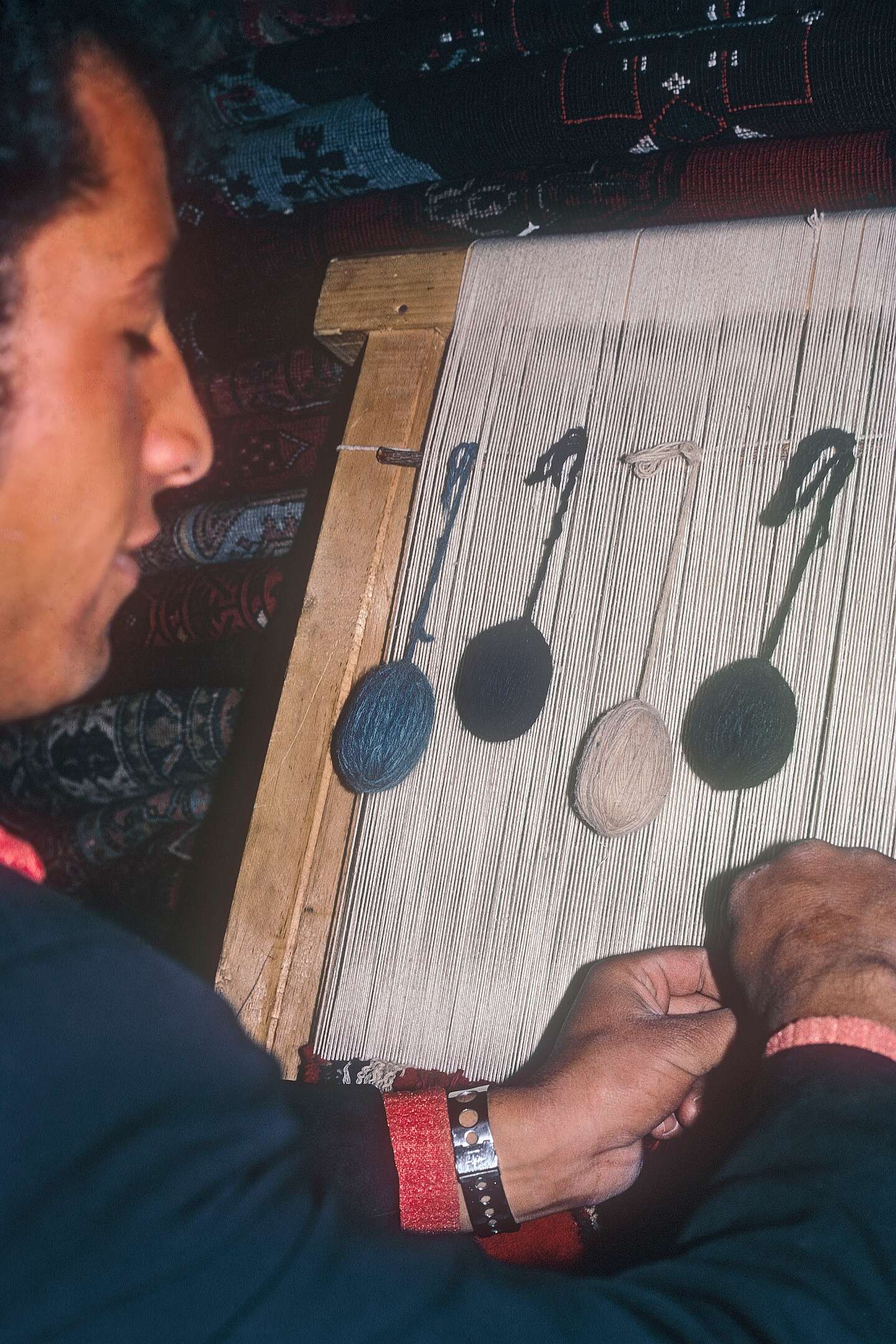
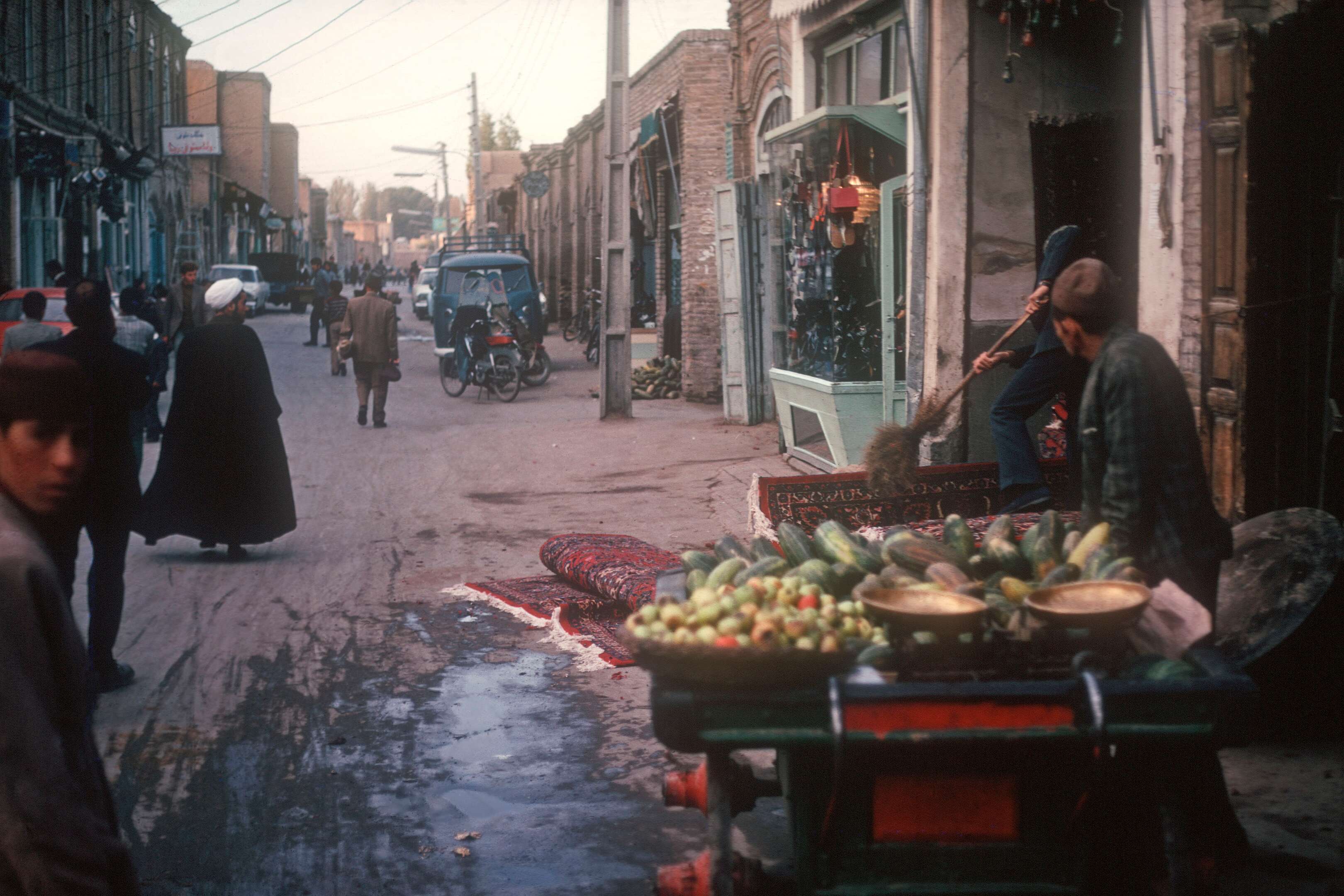
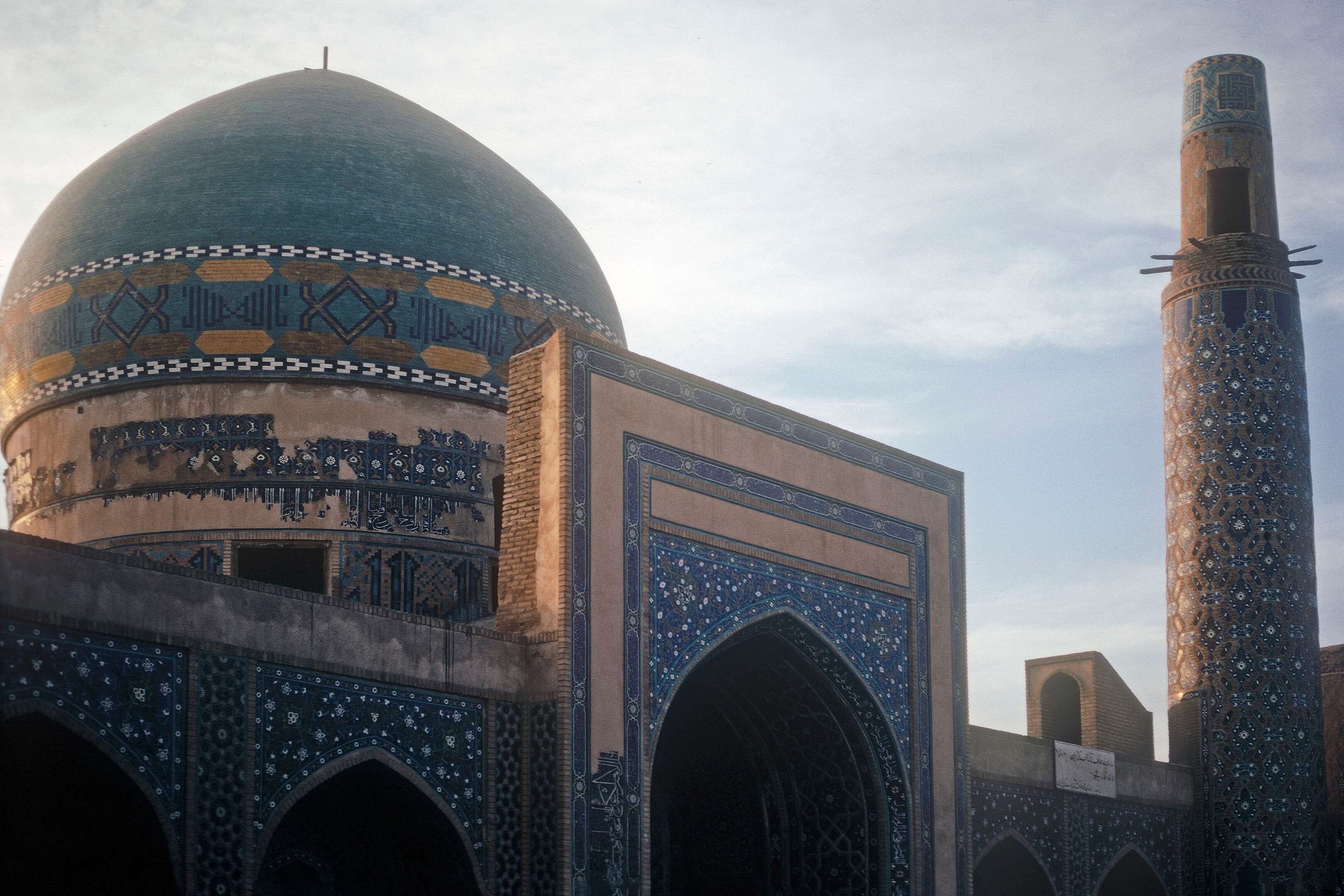
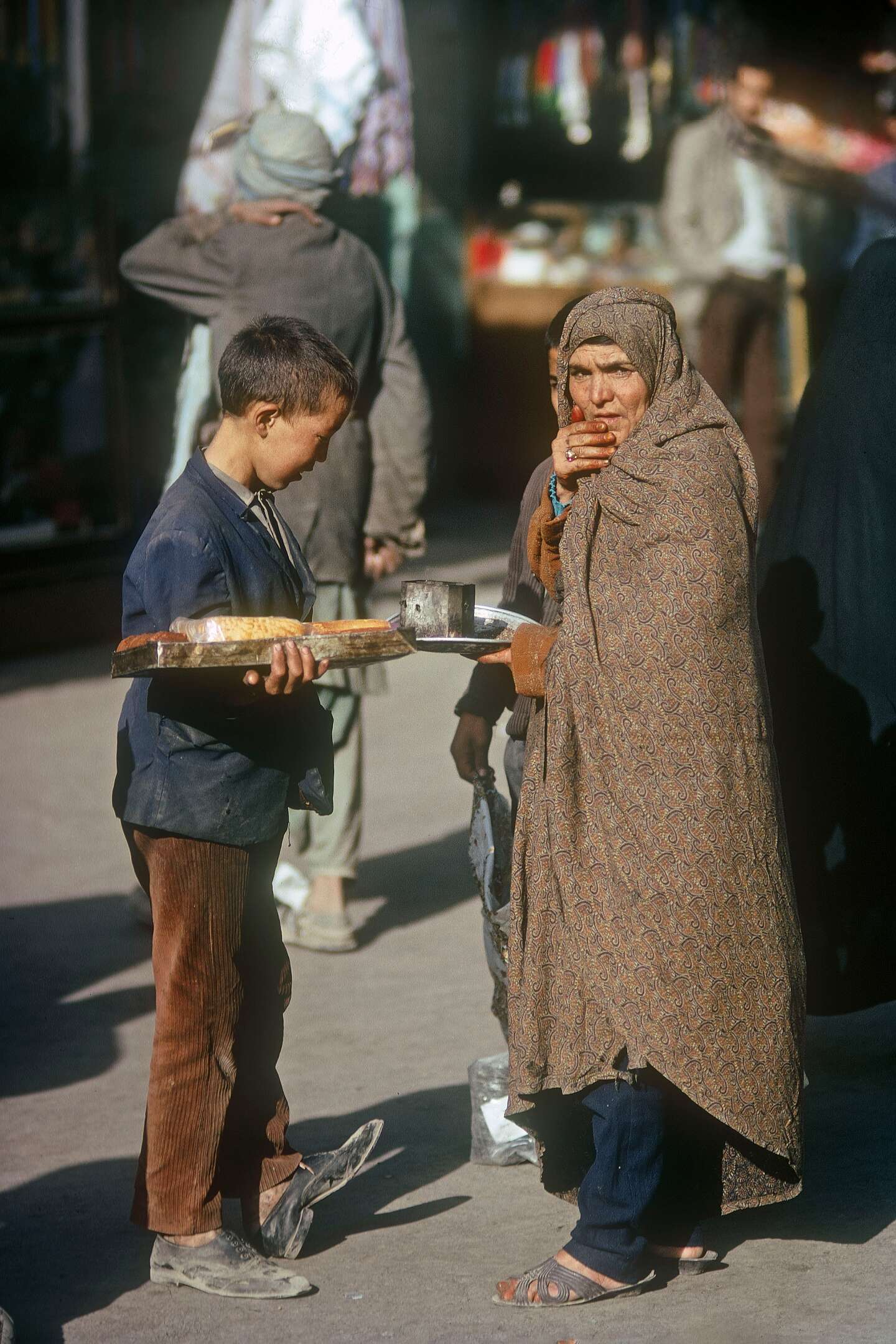
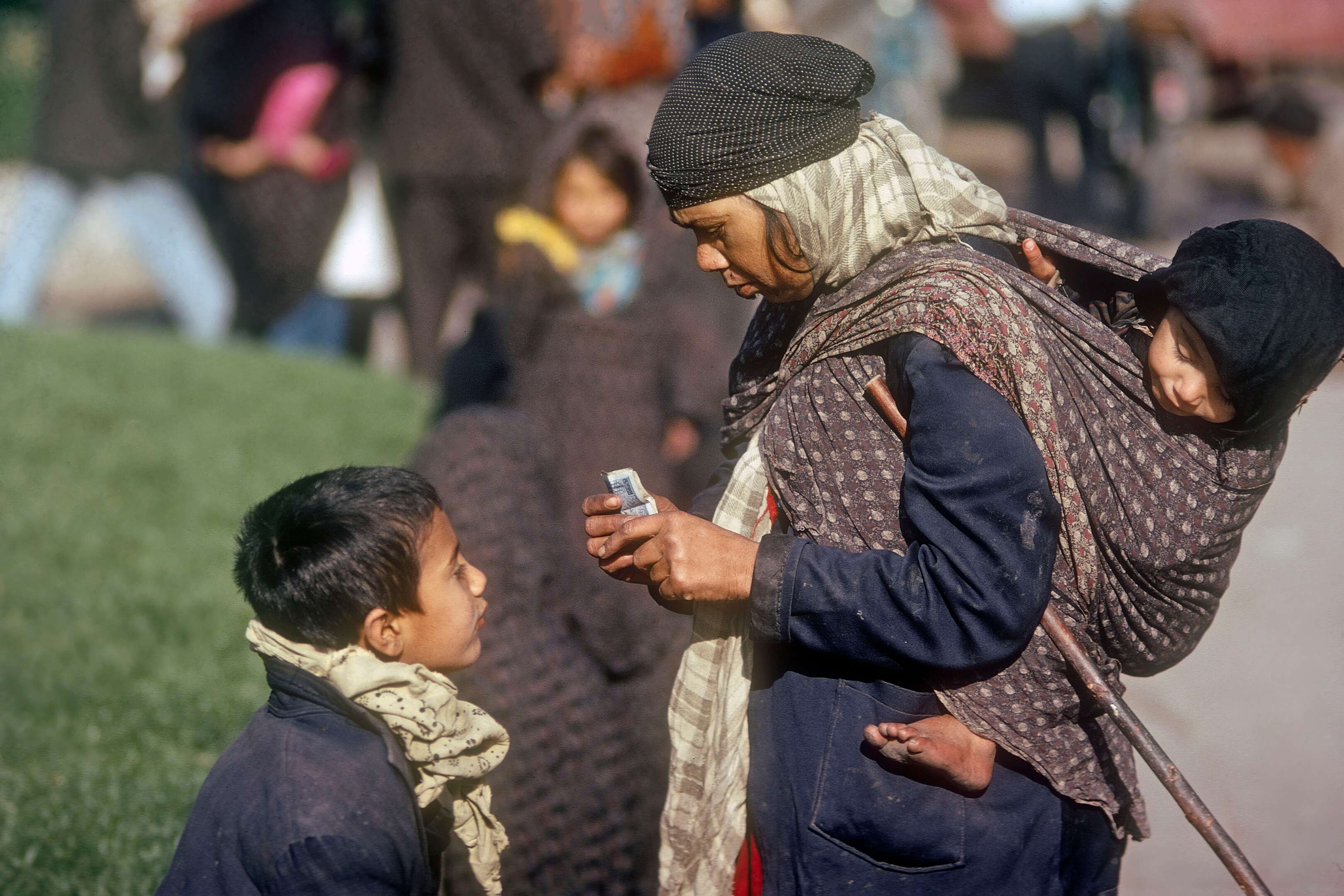
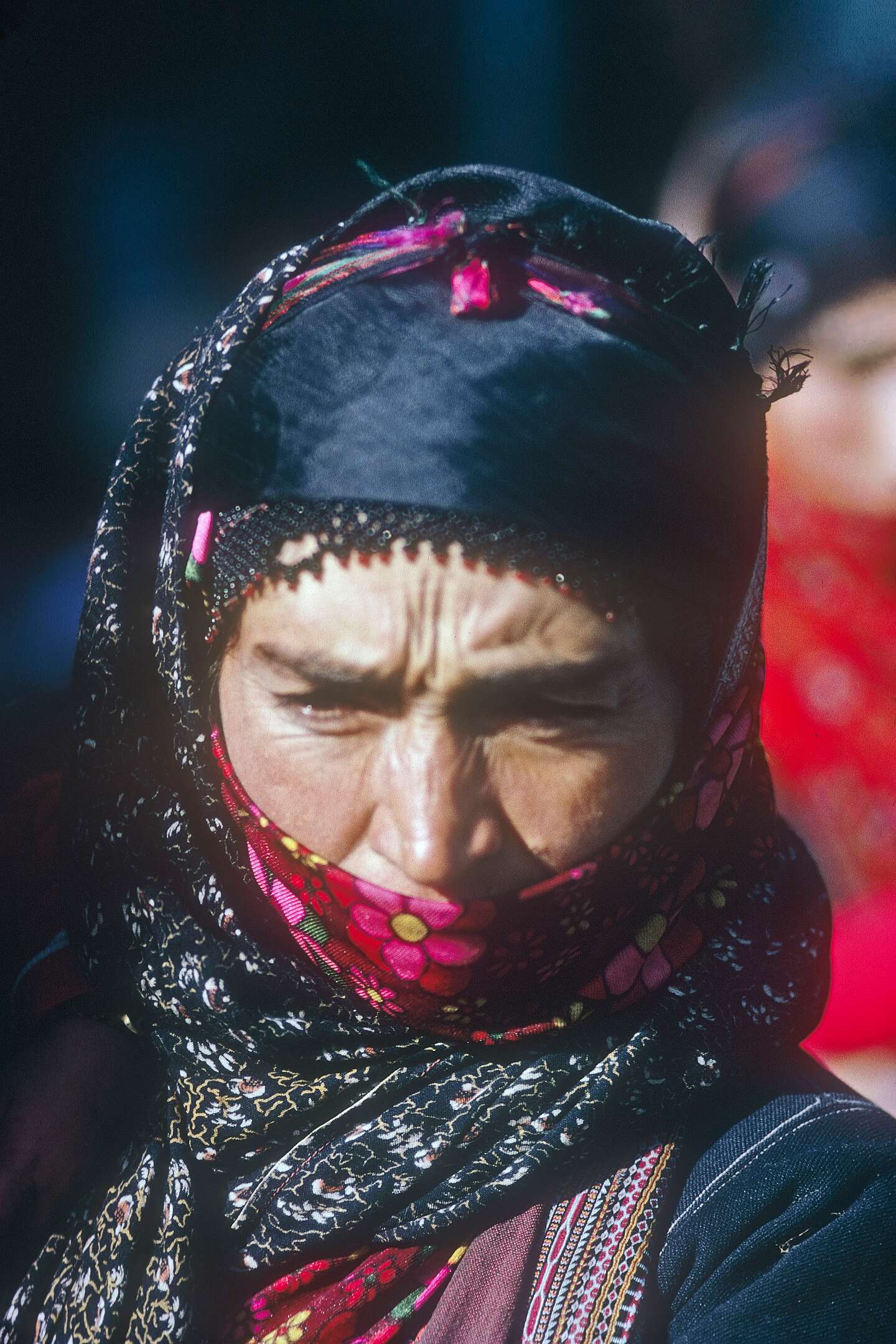
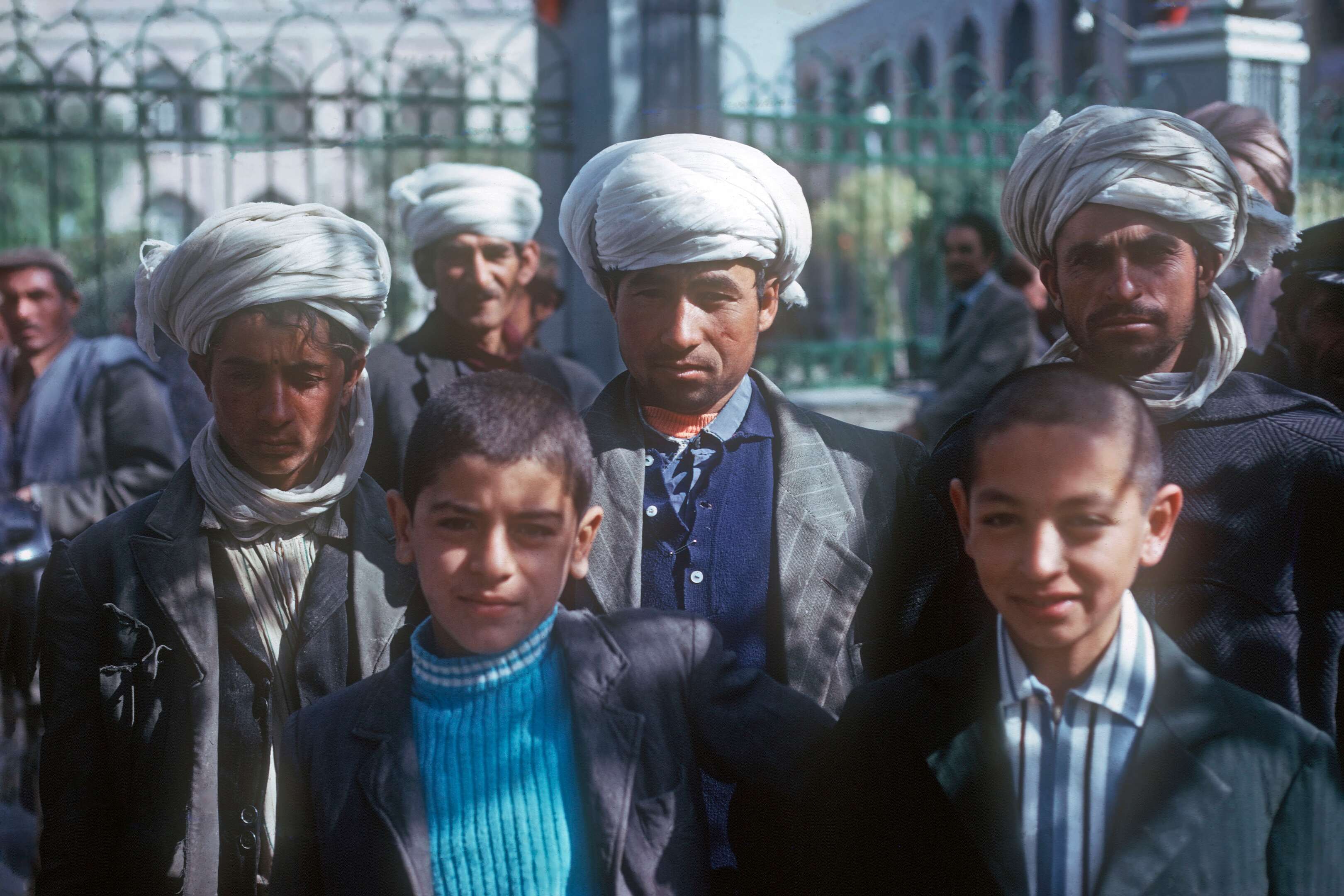
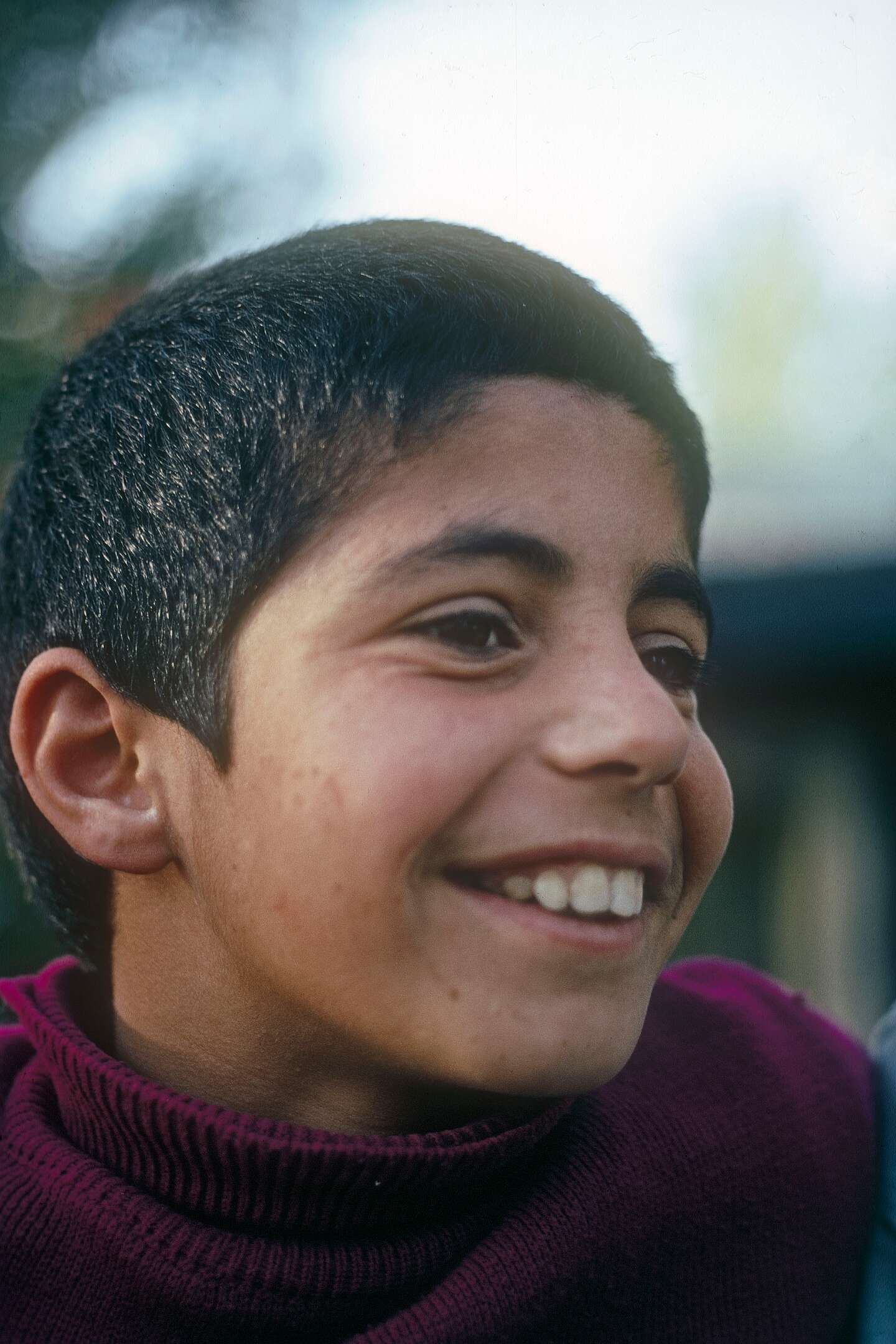
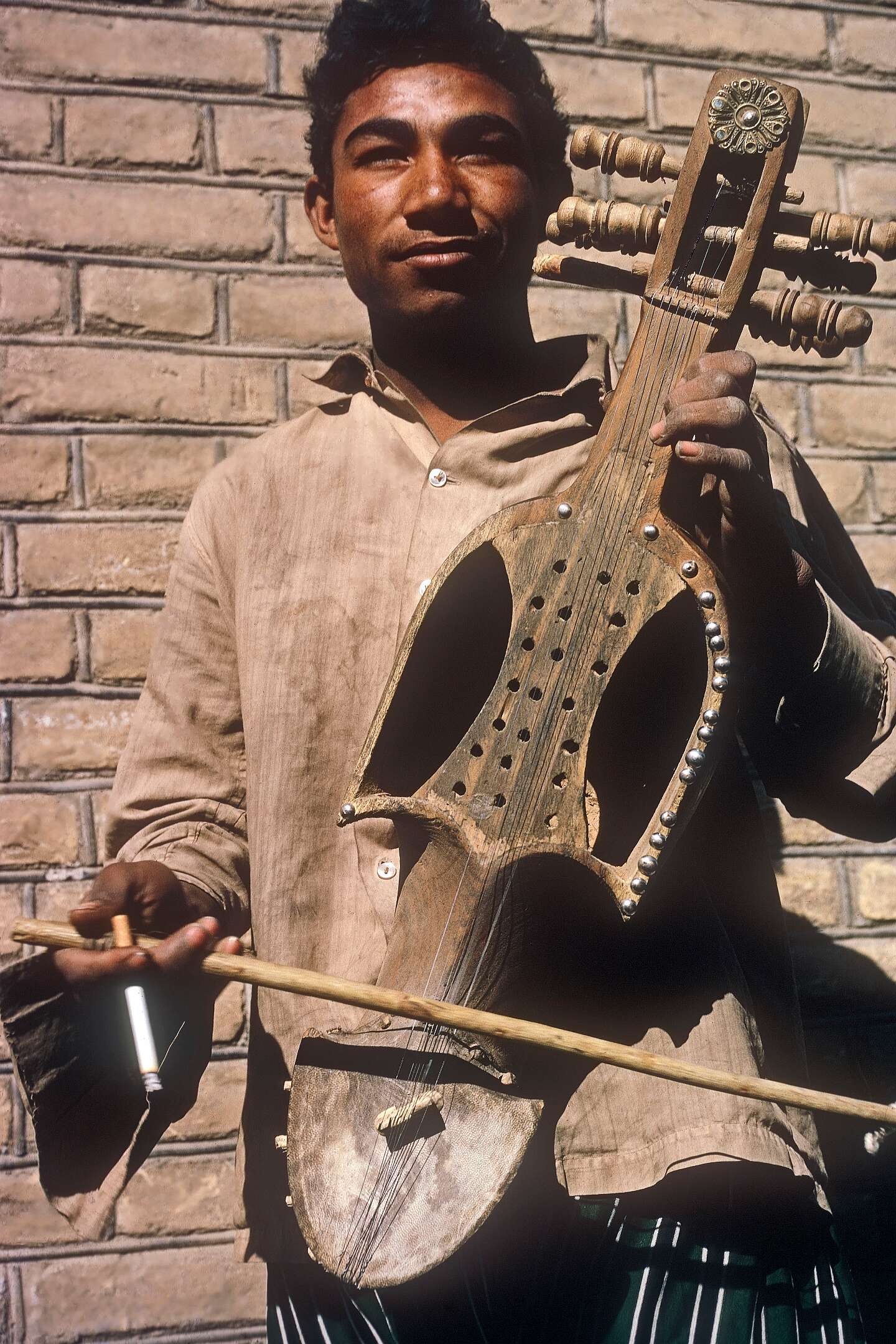
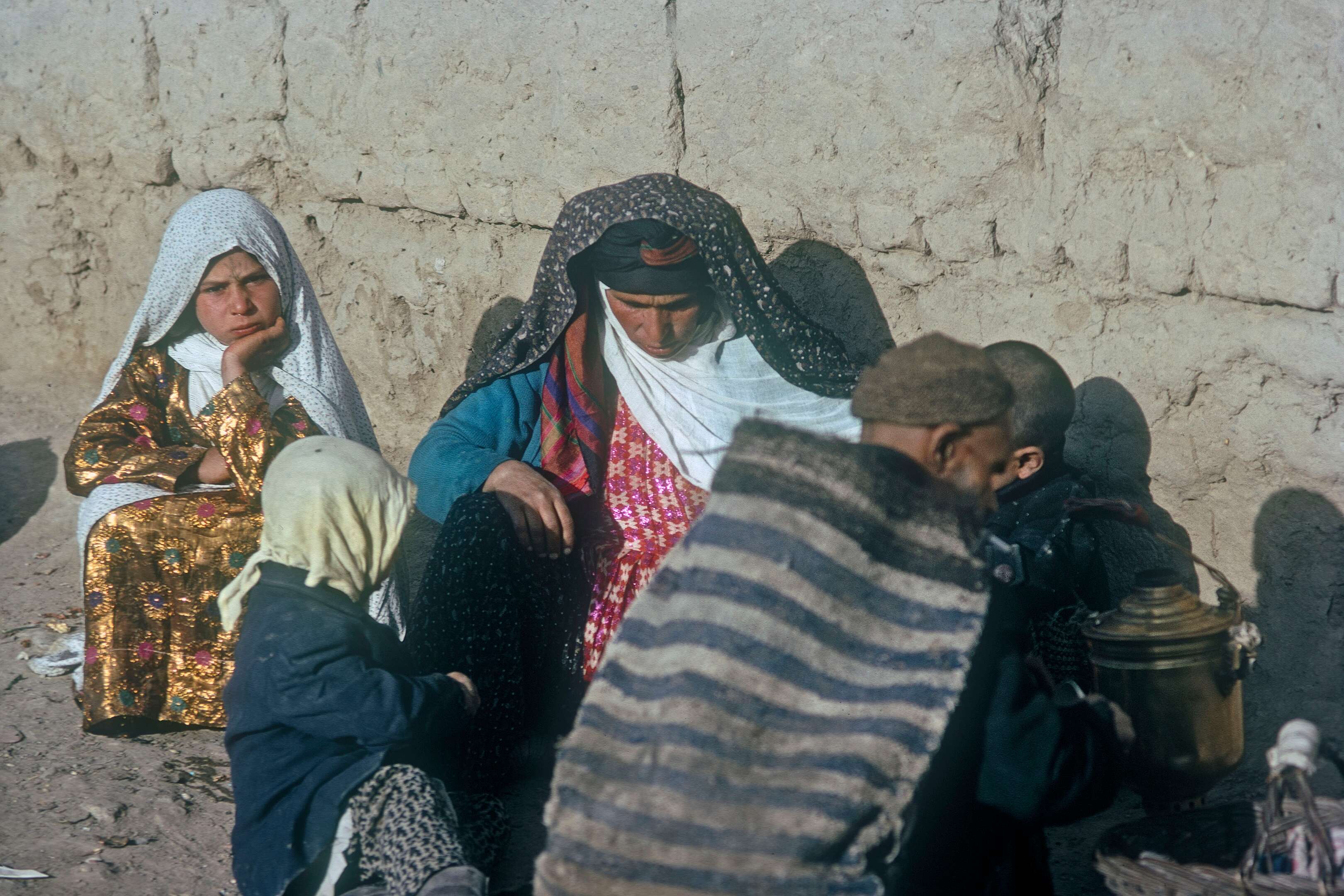
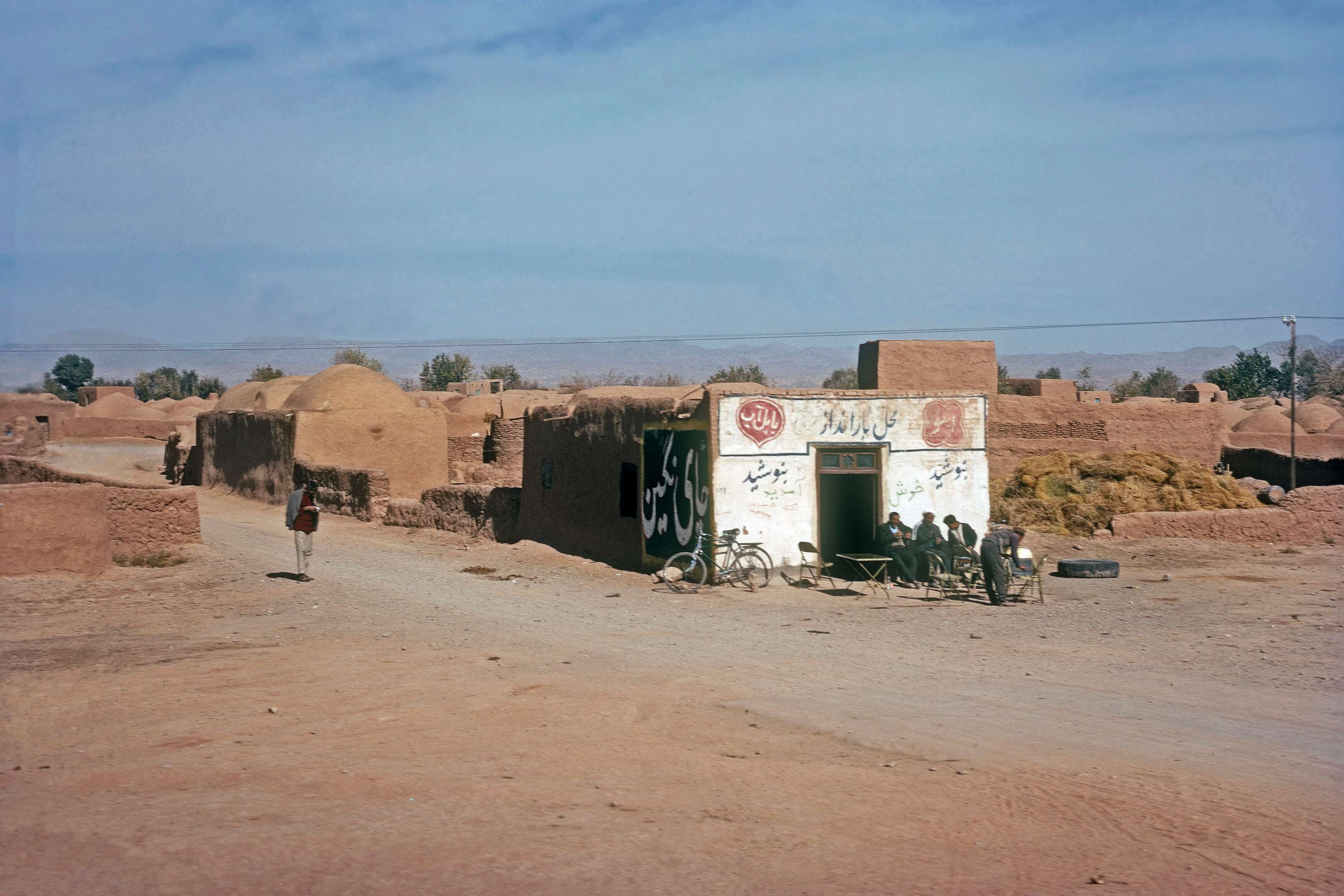
Northeastern Iran is divided into the provinces of North Khorasan and Razavi Khorasan, both part of the historic region of Khorasan. This area serves as a transition between the Iranian plateau and Central Asia, with varied landscapes including mountains, semi-arid plains, and fertile valleys. North Khorasan is sparsely populated and of a tribal character, with Kurdish, Turkmen, and Persian communities. Razavi Khorasan, larger and more developed, is a major agricultural and cultural region, known for saffron production and historic cities.
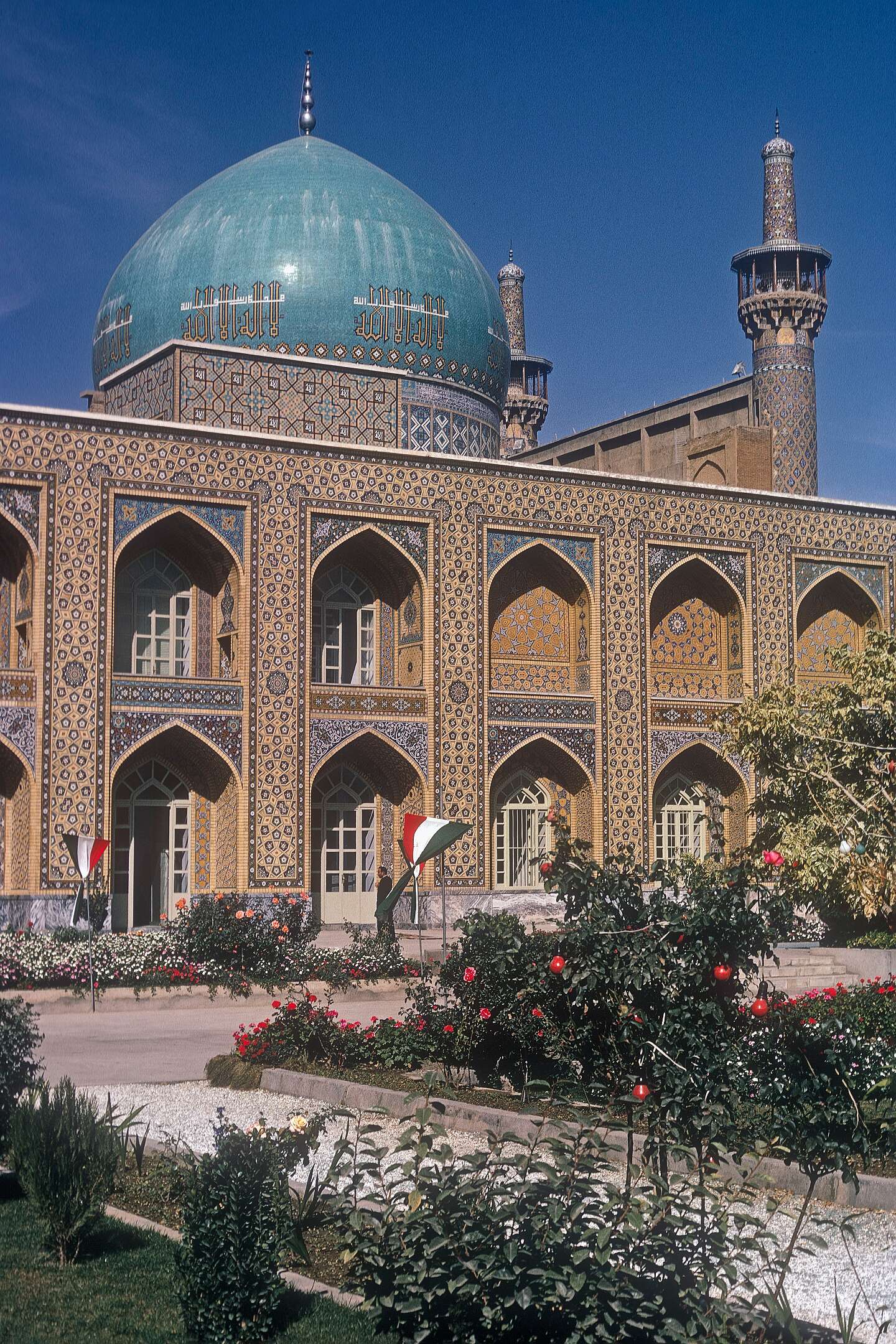
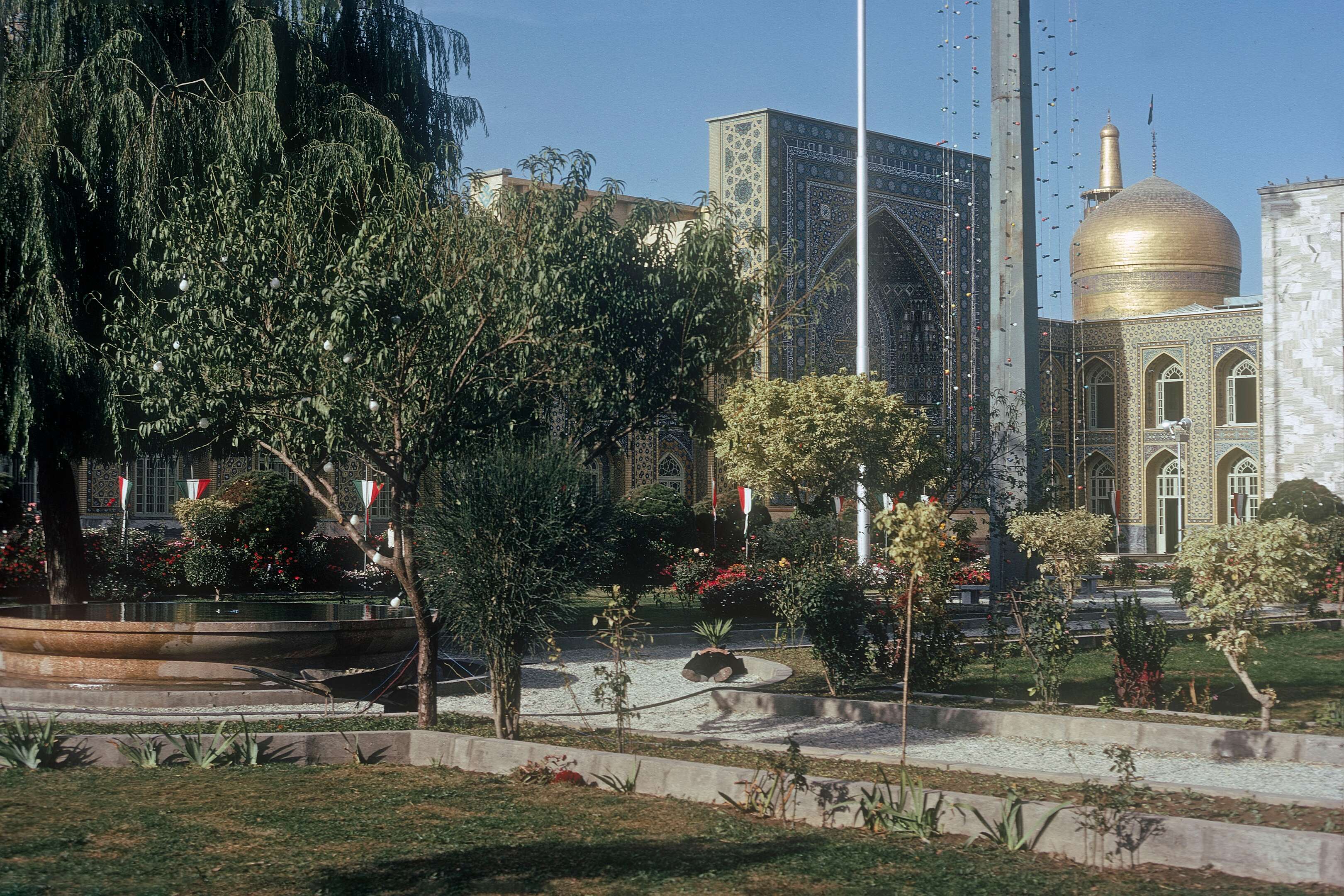
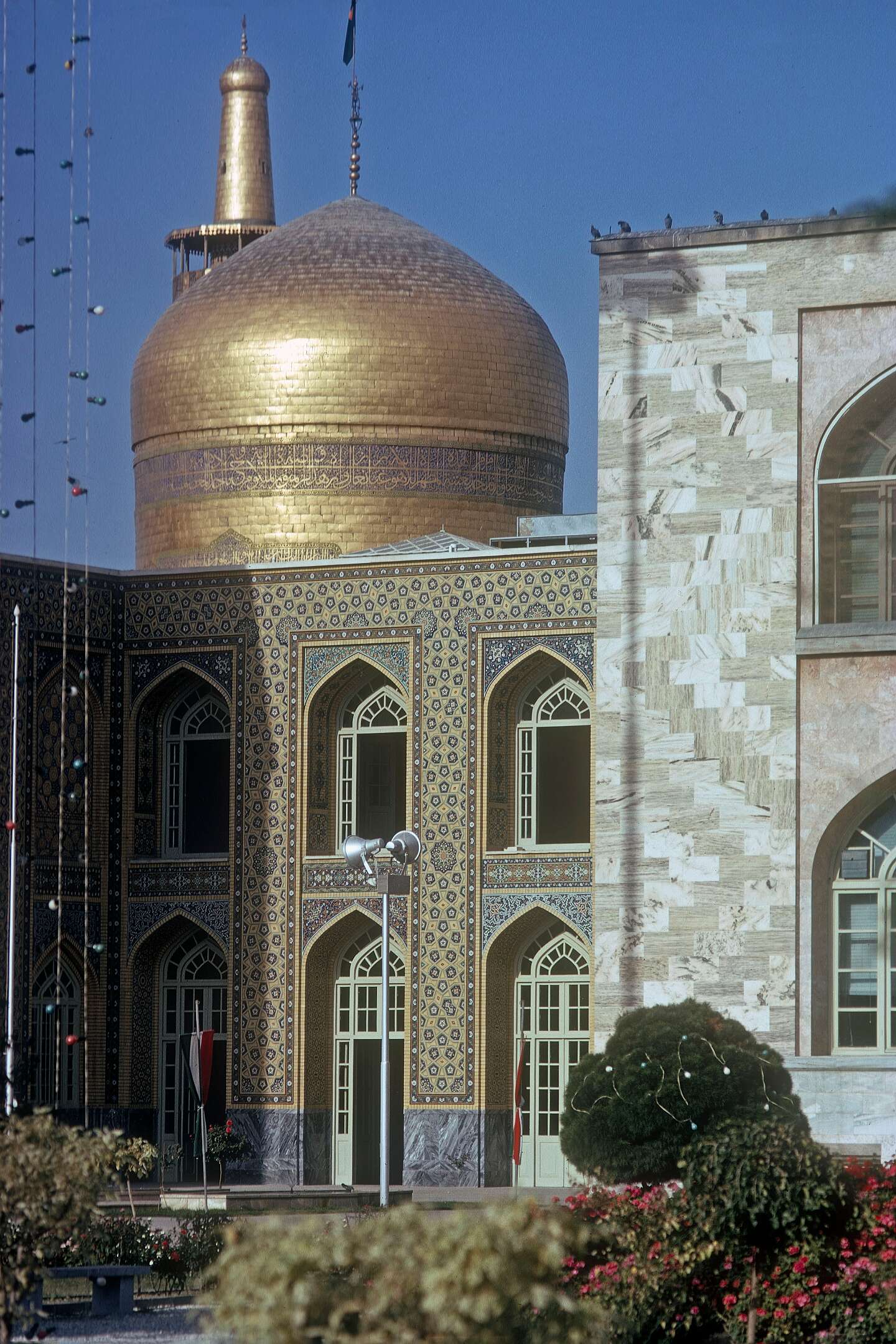
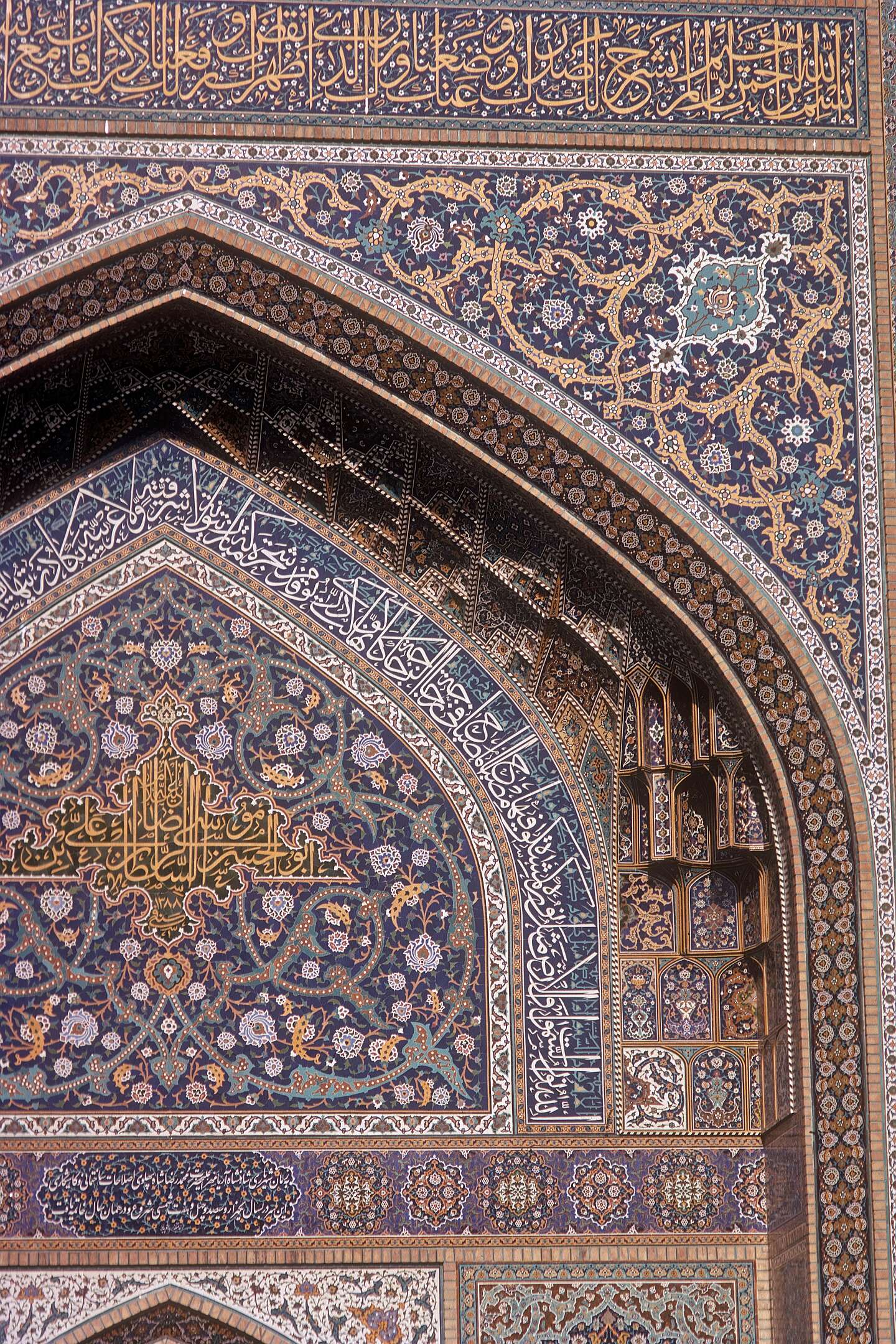
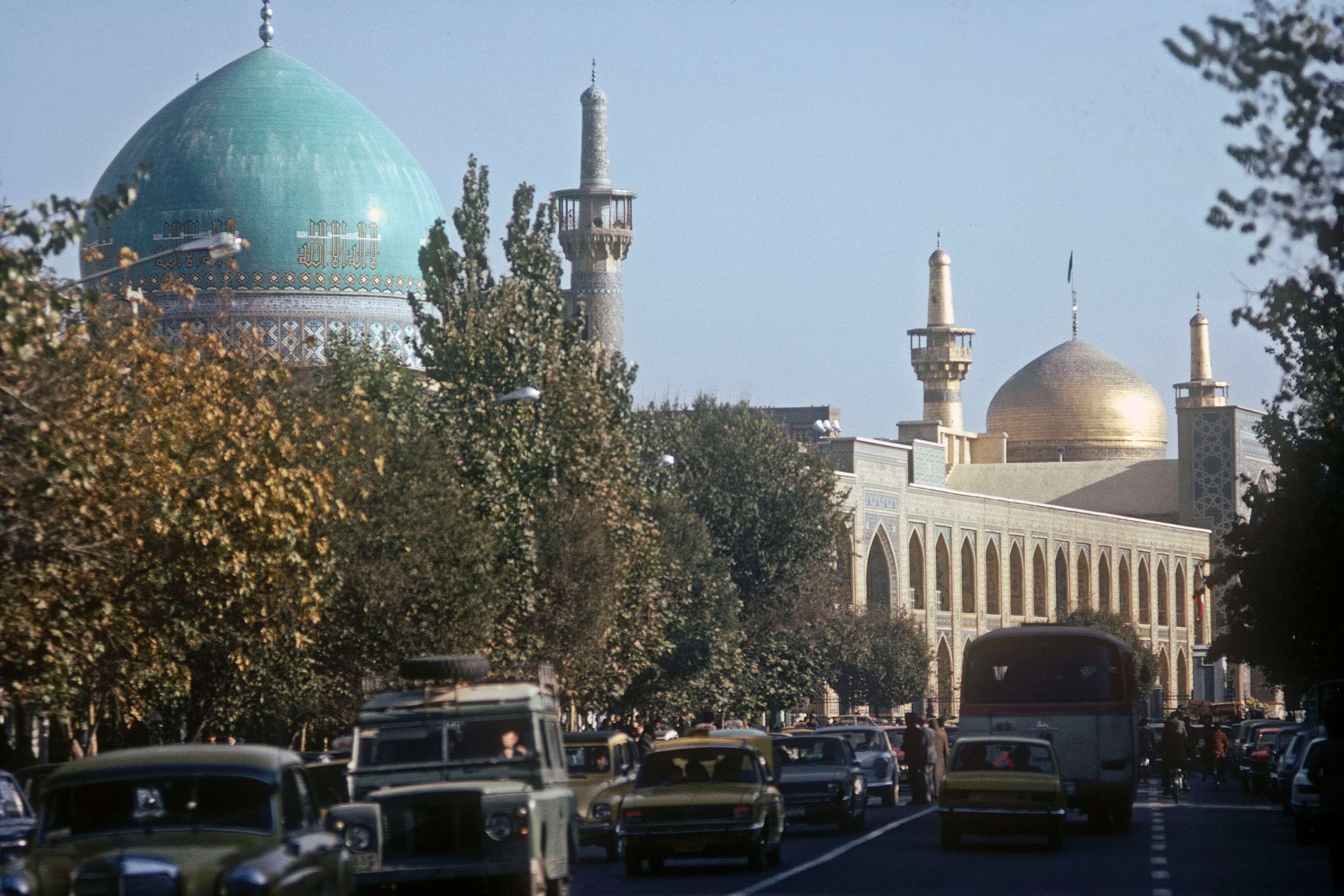
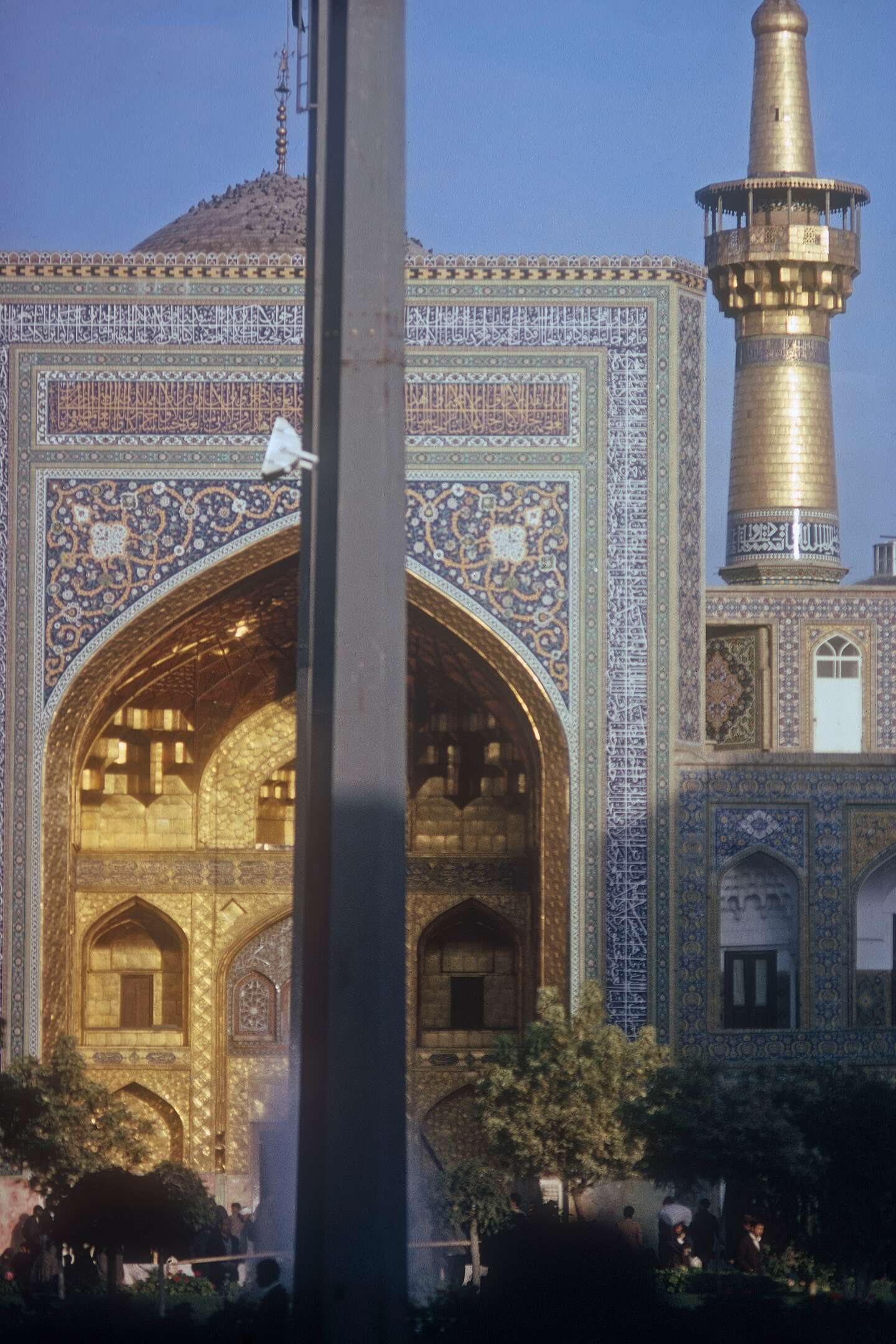
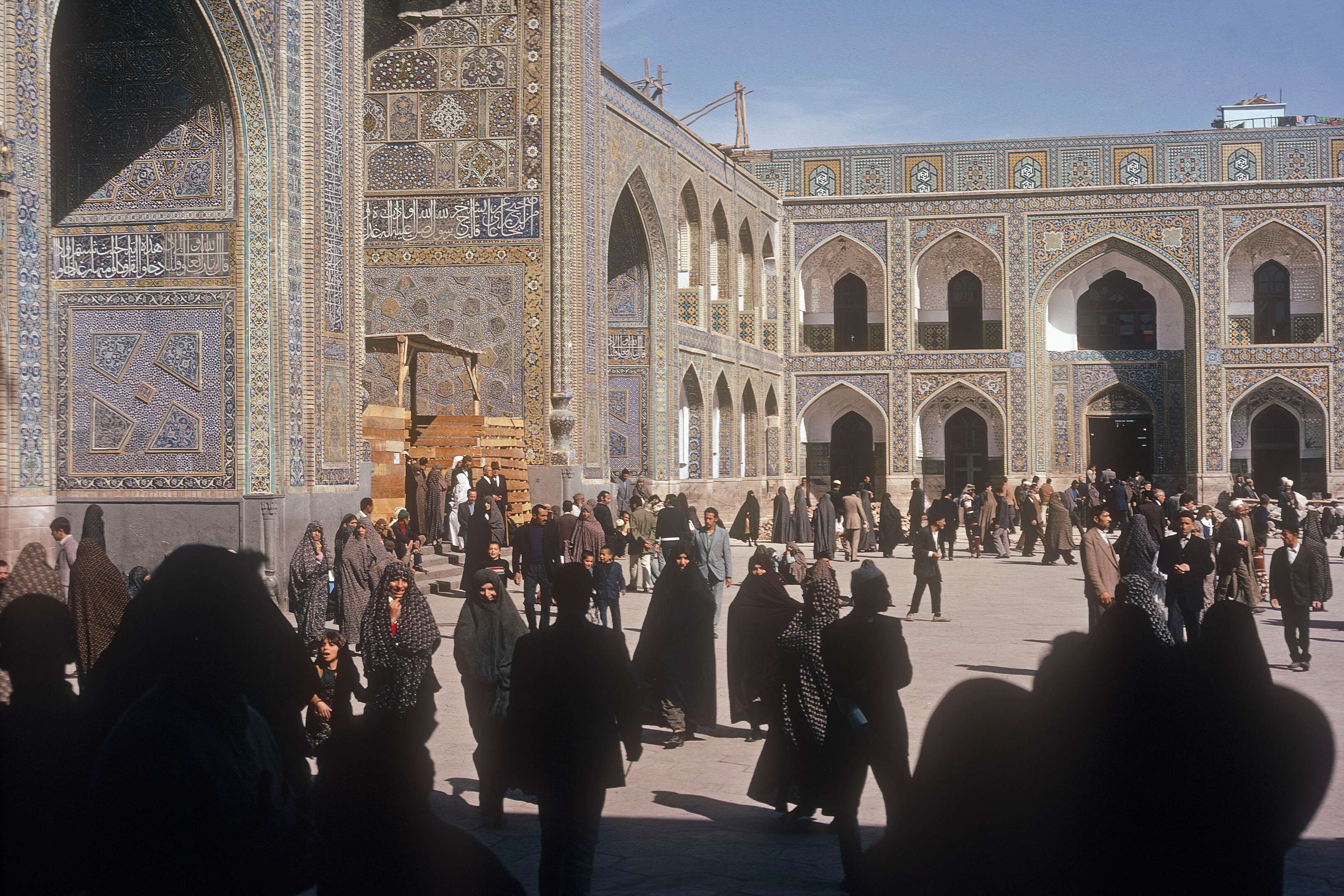
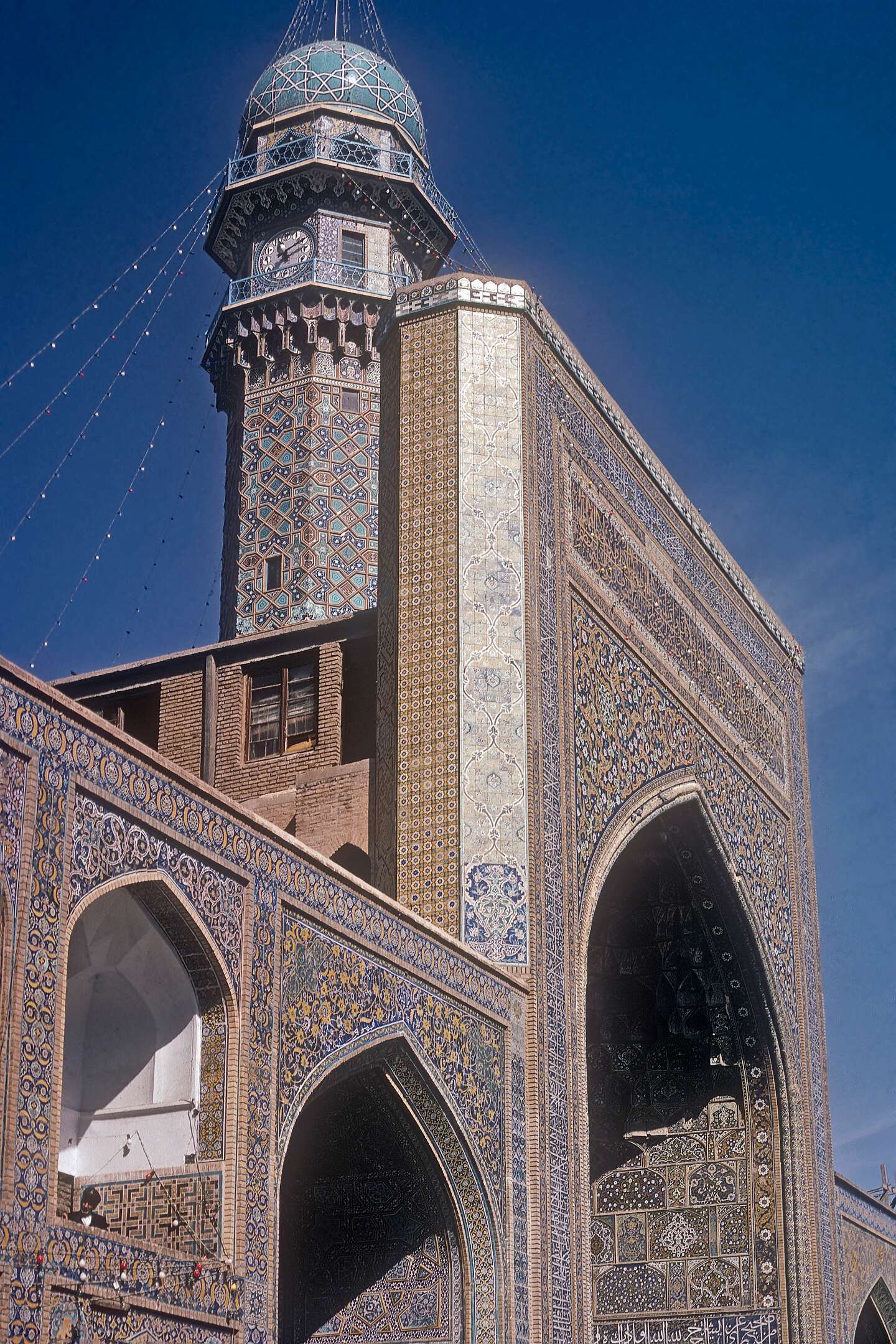
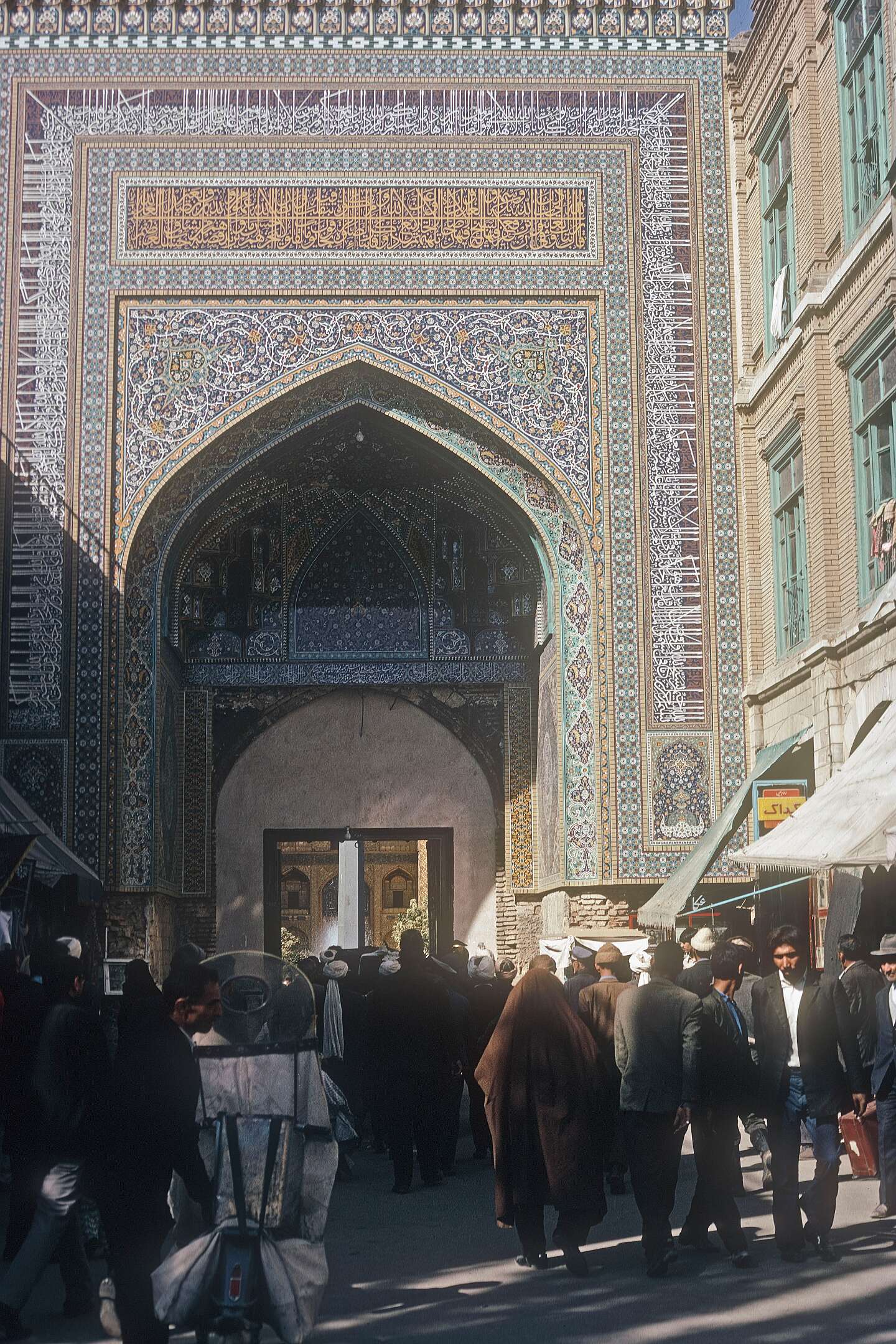
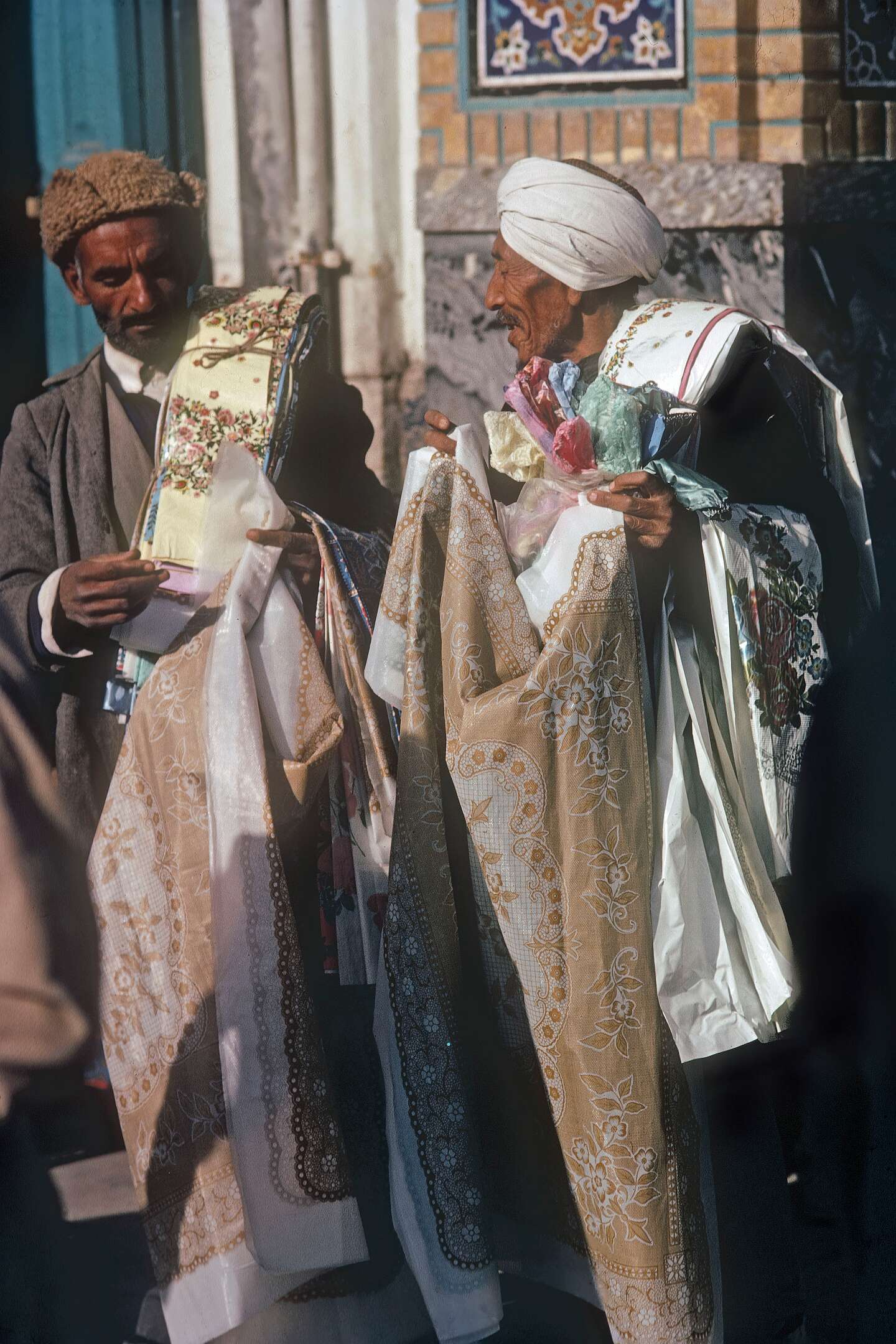
At its heart lies Mashhad, Iran’s second-largest city and the capital of Razavi Khorasan. Originally a small settlement called Sanabad, it grew around the burial site of Imam Reza, who died in 818 CE. The city’s name, meaning “place of martyrdom,” reflects this origin. Mashhad is today one of the most important pilgrimage cities in the Islamic world. Its focal point is the vast Imam Reza Shrine complex, a sprawling ensemble of mosques, courtyards, libraries, and seminaries built and expanded over centuries. Covering more than a million square metres and capable of hosting hundreds of thousands of worshippers, it attracts tens of millions of pilgrims annually. The shrine not only defines Mashhad’s skyline with its golden dome and minarets, but also shapes the city’s identity as the spiritual centre of northeastern Iran and a major hub of Shiʿi devotion.
At its heart lies Mashhad, Iran’s second-largest city and the capital of Razavi Khorasan. Originally a small settlement called Sanabad, it grew around the burial site of Imam Reza, who died in 818 CE. The city’s name, meaning “place of martyrdom,” reflects this origin. Mashhad is today one of the most important pilgrimage cities in the Islamic world. Its focal point is the vast Imam Reza Shrine complex, a sprawling ensemble of mosques, courtyards, libraries, and seminaries built and expanded over centuries. Covering more than a million square metres and capable of hosting hundreds of thousands of worshippers, it attracts tens of millions of pilgrims annually. The shrine not only defines Mashhad’s skyline with its golden dome and minarets, but also shapes the city’s identity as the spiritual centre of northeastern Iran and a major hub of Shiʿi devotion.