



Isfahan, central Iran
19-20 October 1973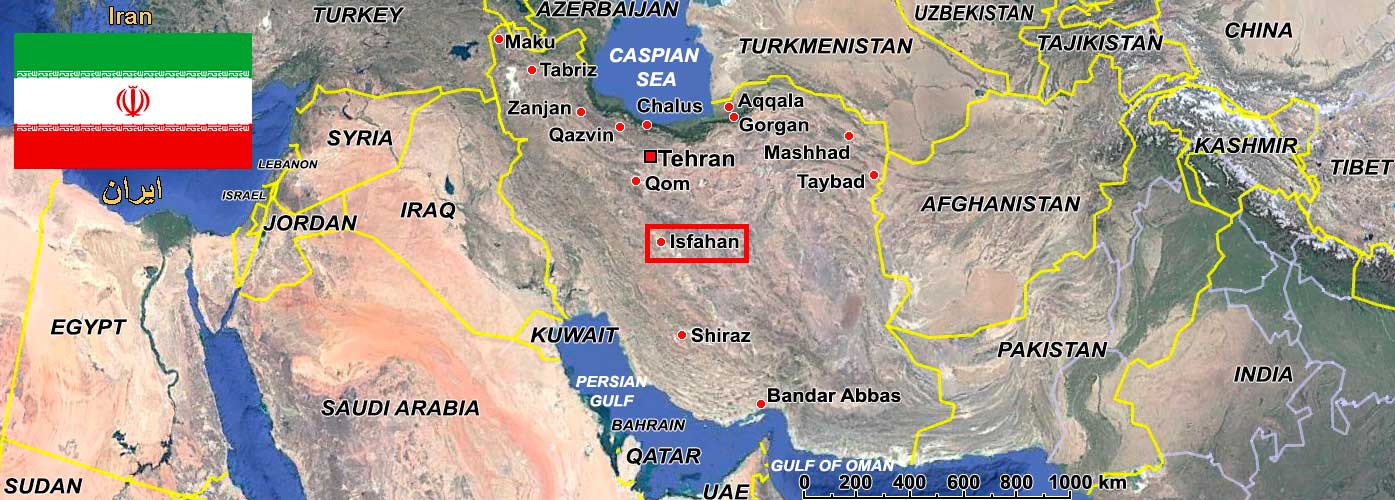
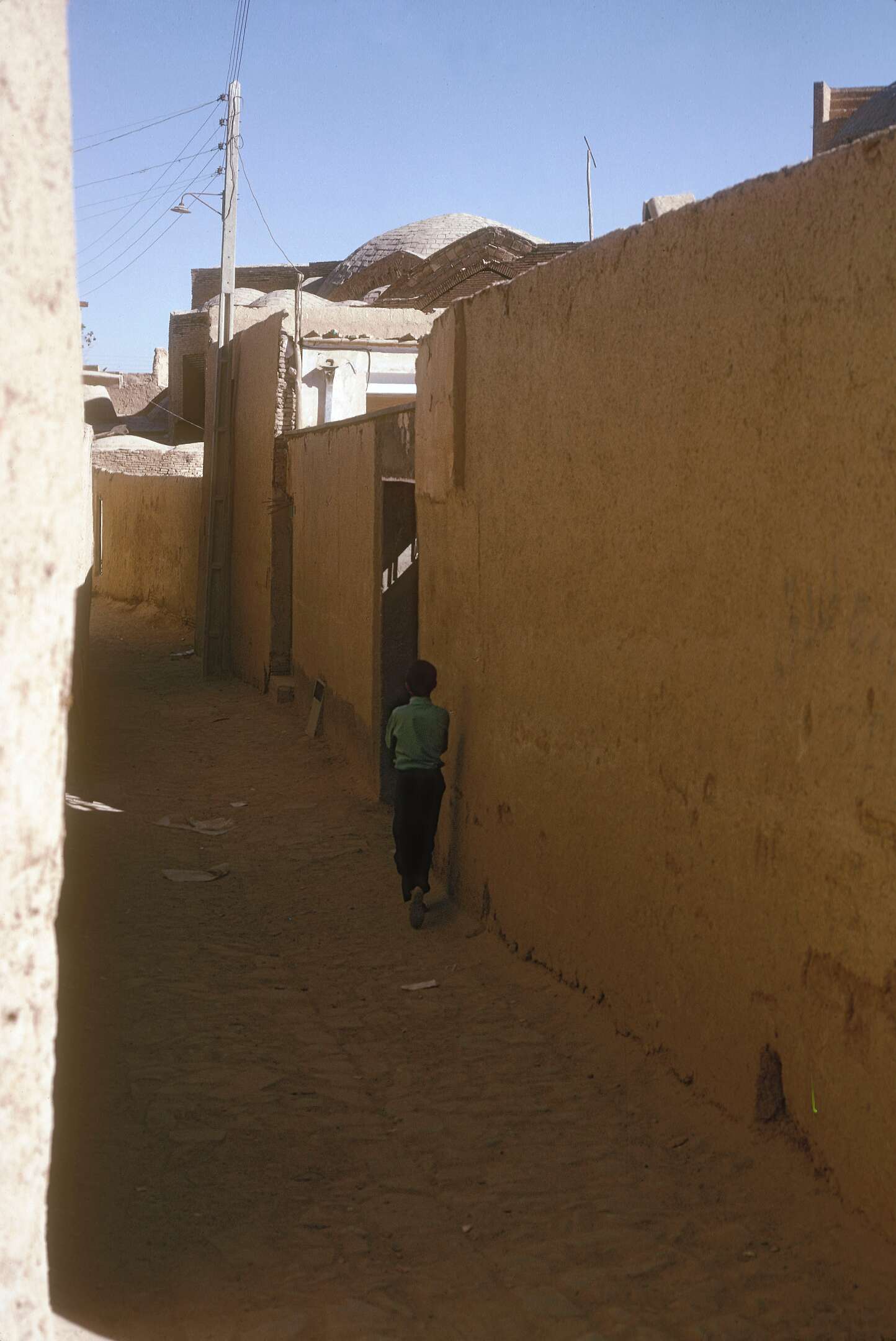
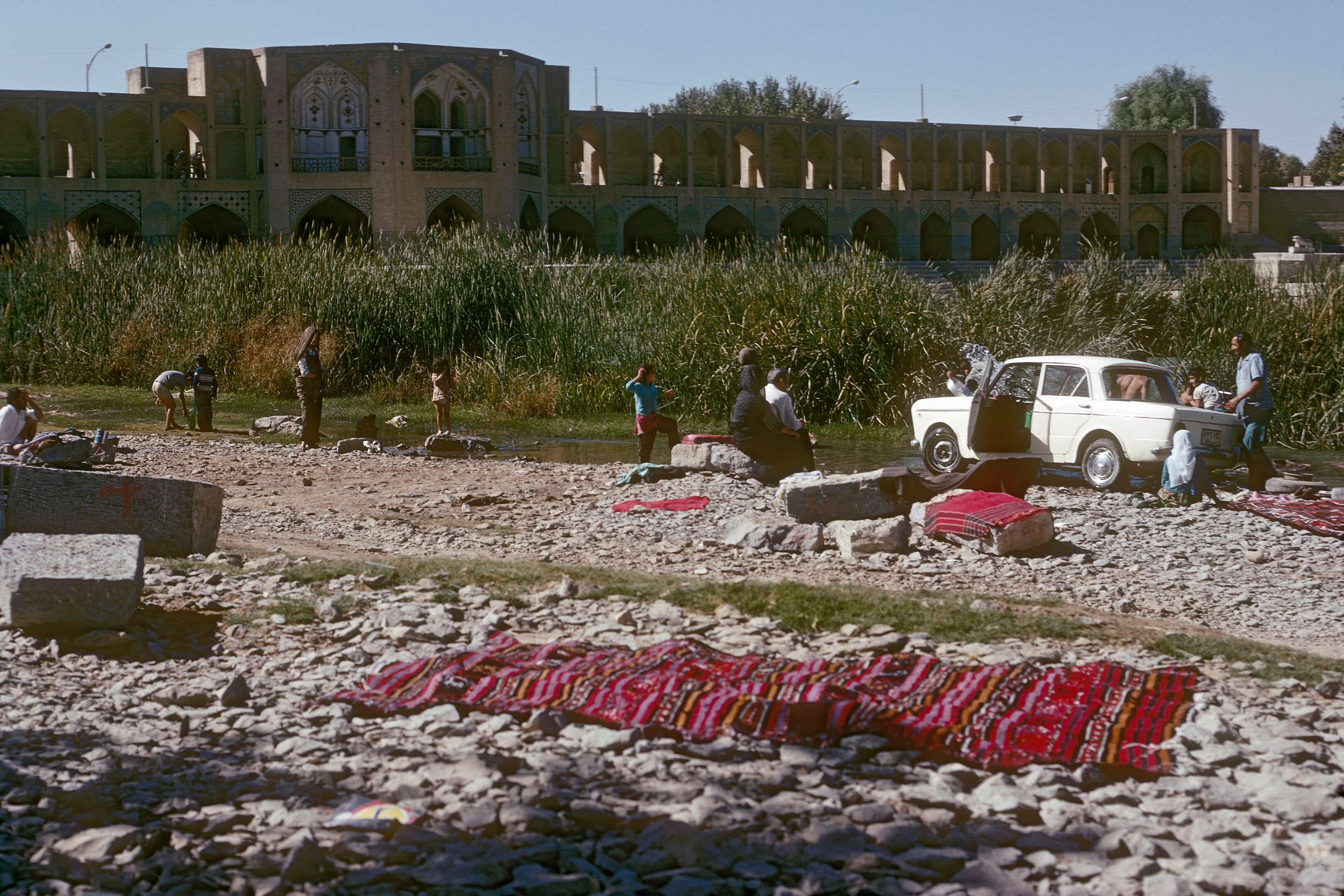
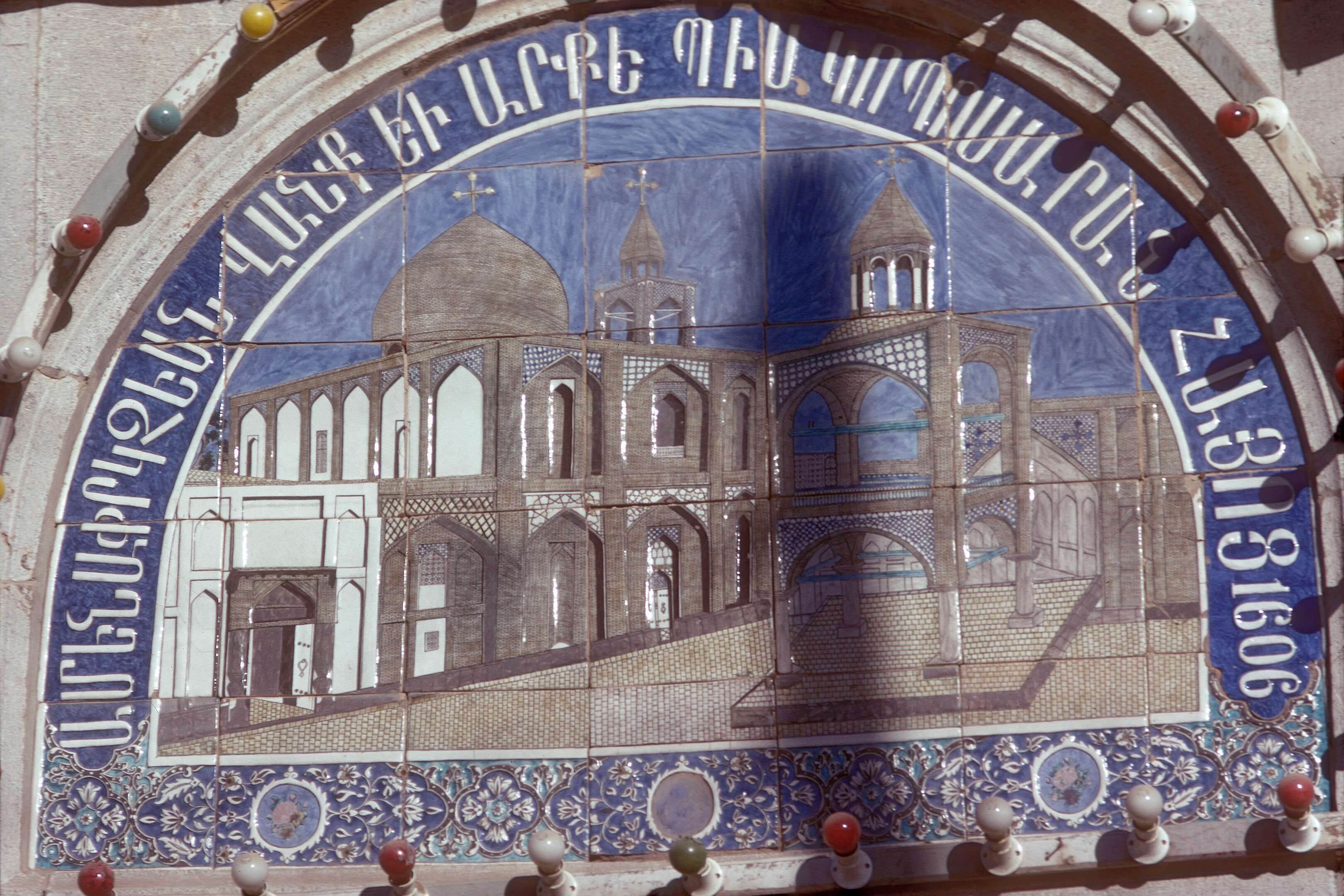
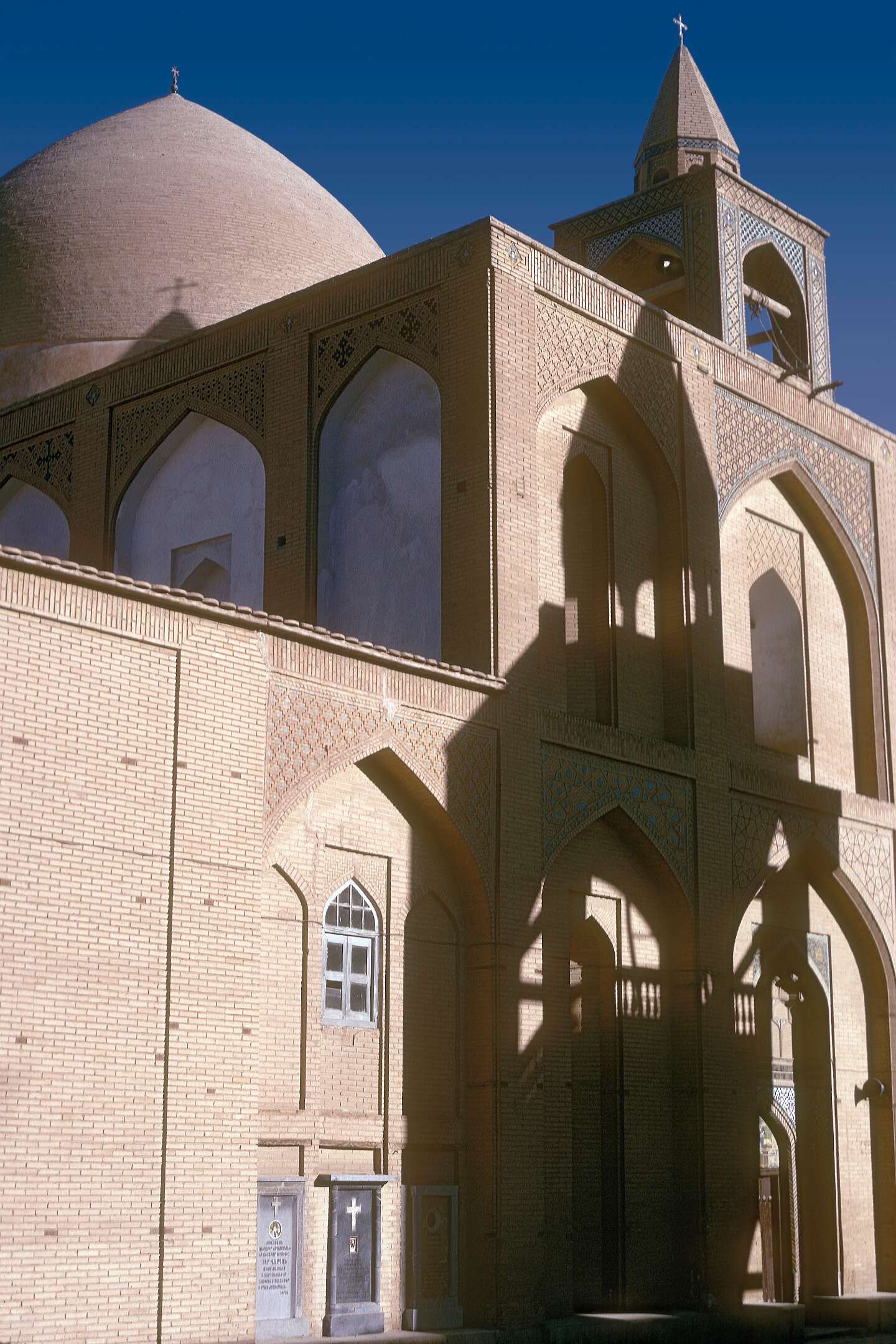
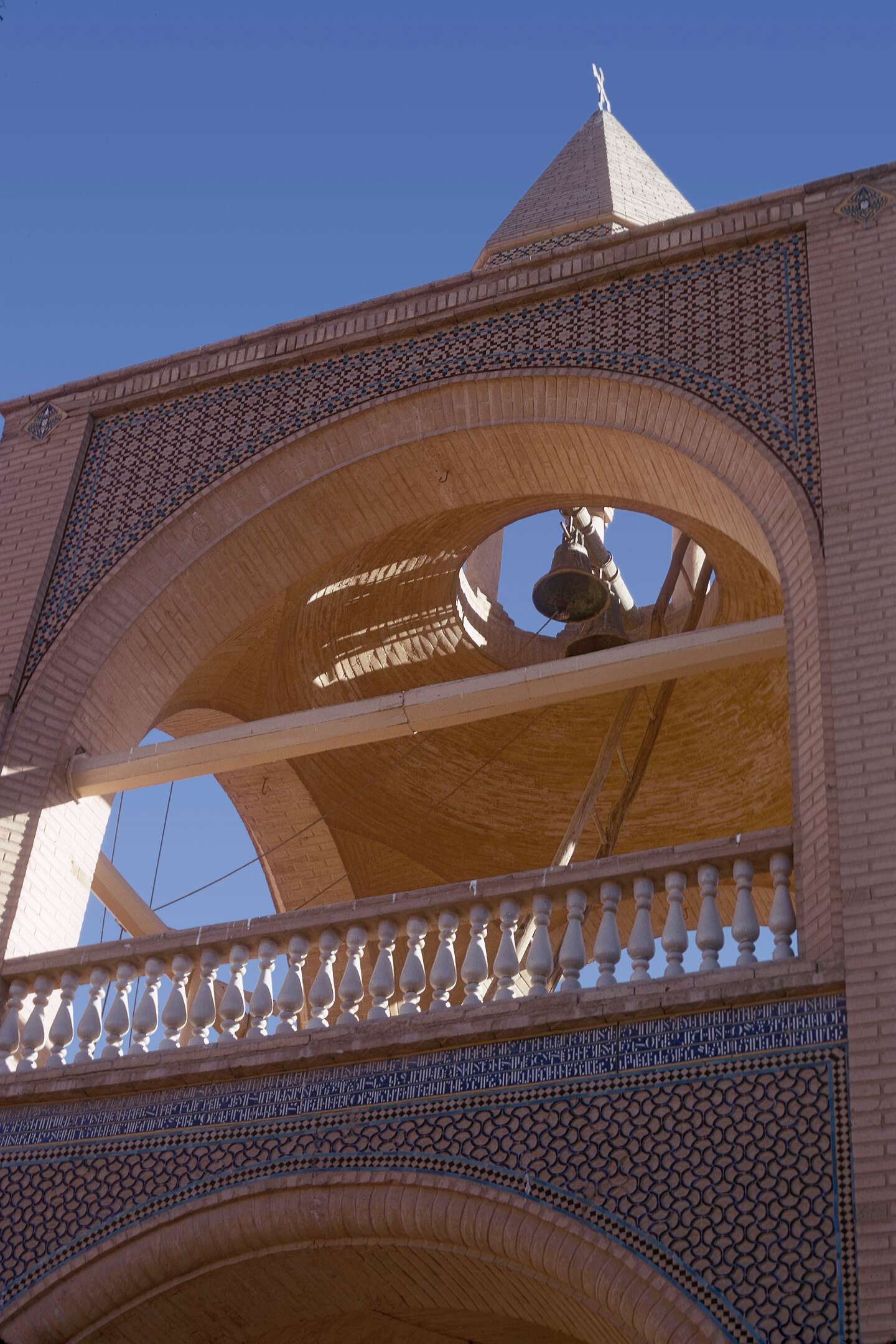
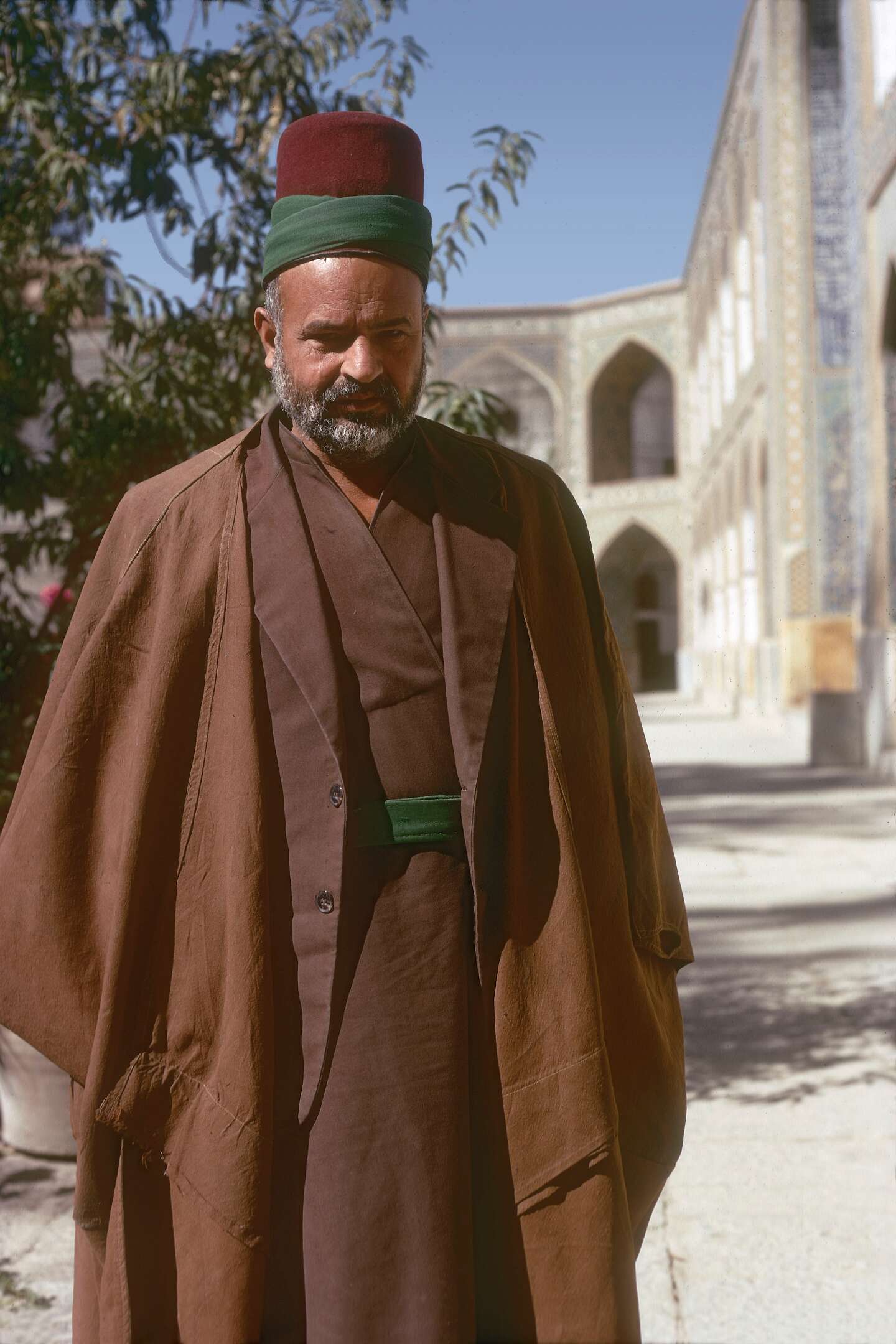
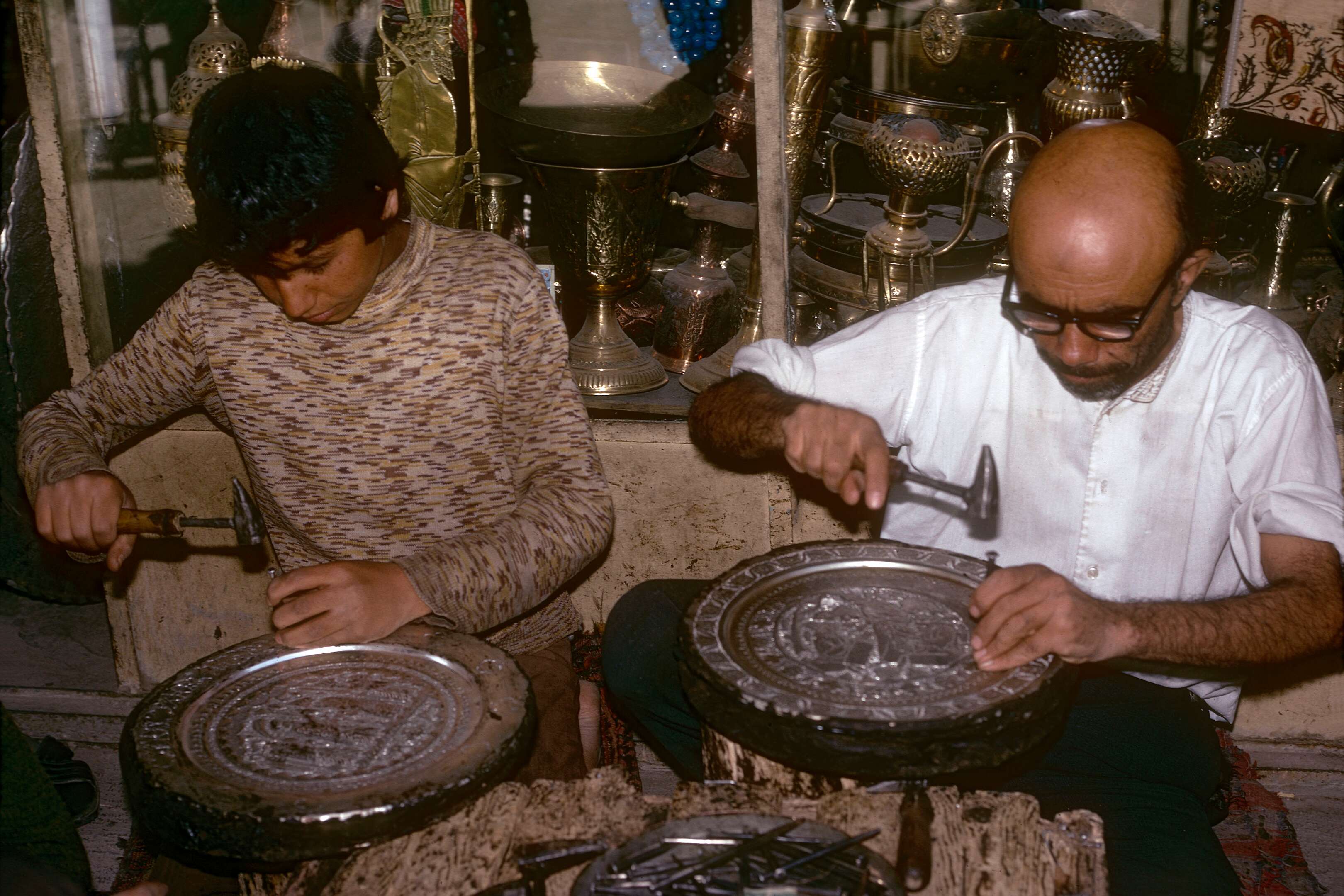
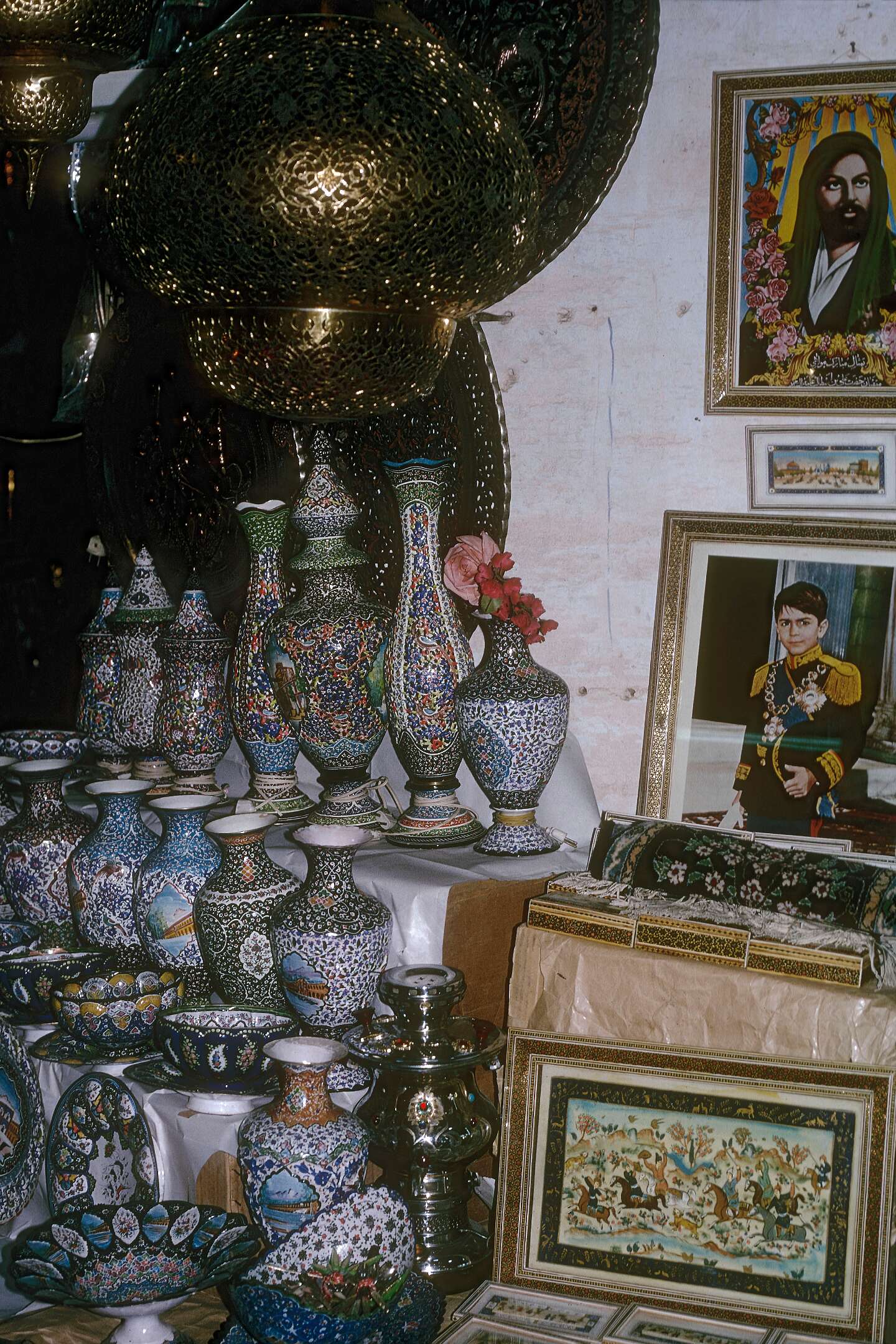
Isfahan, long celebrated as “half the world,” is one of Iran’s most historic and architecturally rich cities. Situated on the central plateau, it flourished especially under the Safavid dynasty, when Abbas I made it his capital in 1598, transforming it into a grand imperial capital of art, trade, and religion. Broad avenues, bridges, and monumental squares—especially Naqsh-e Jahan Square—reflect this golden age.
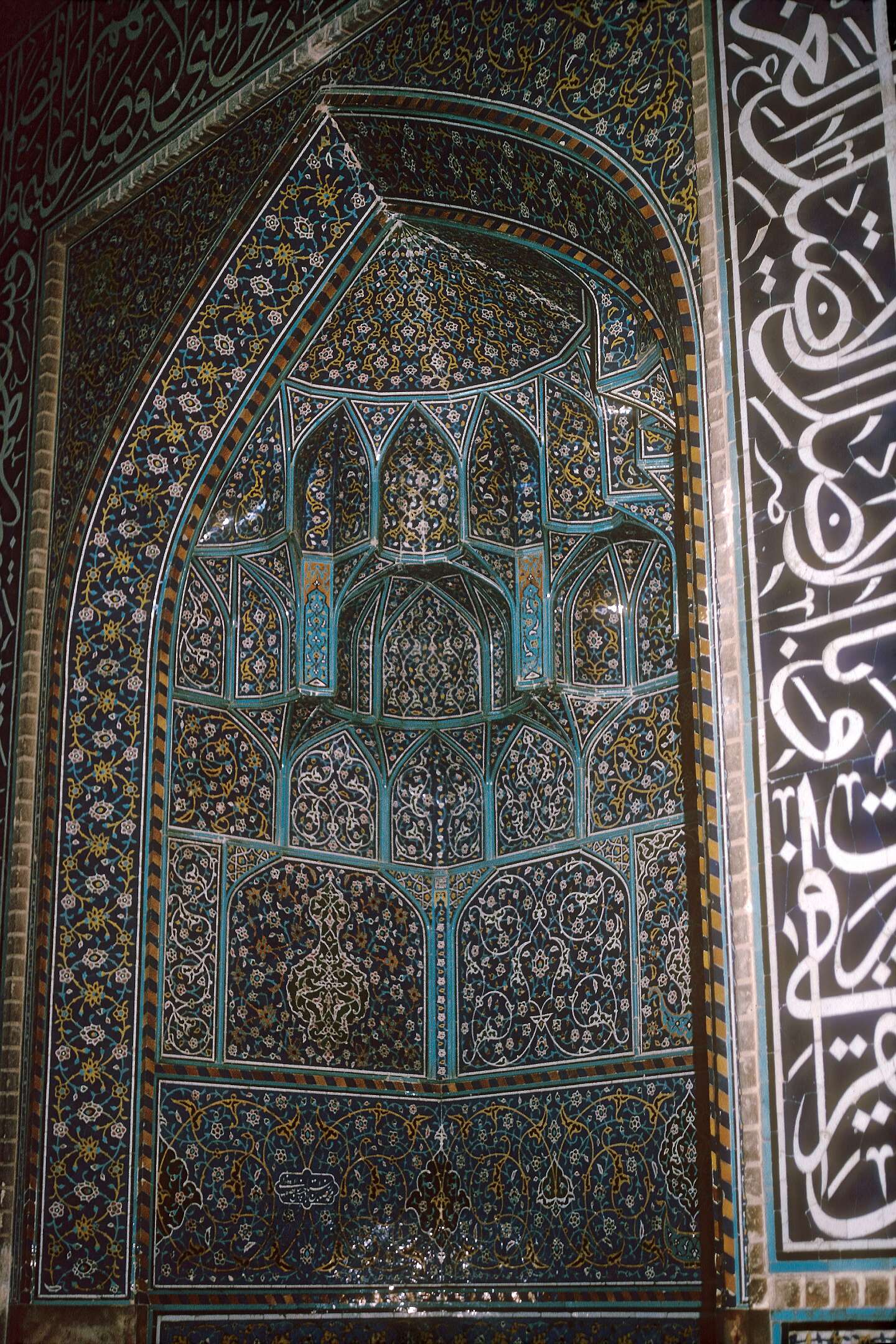
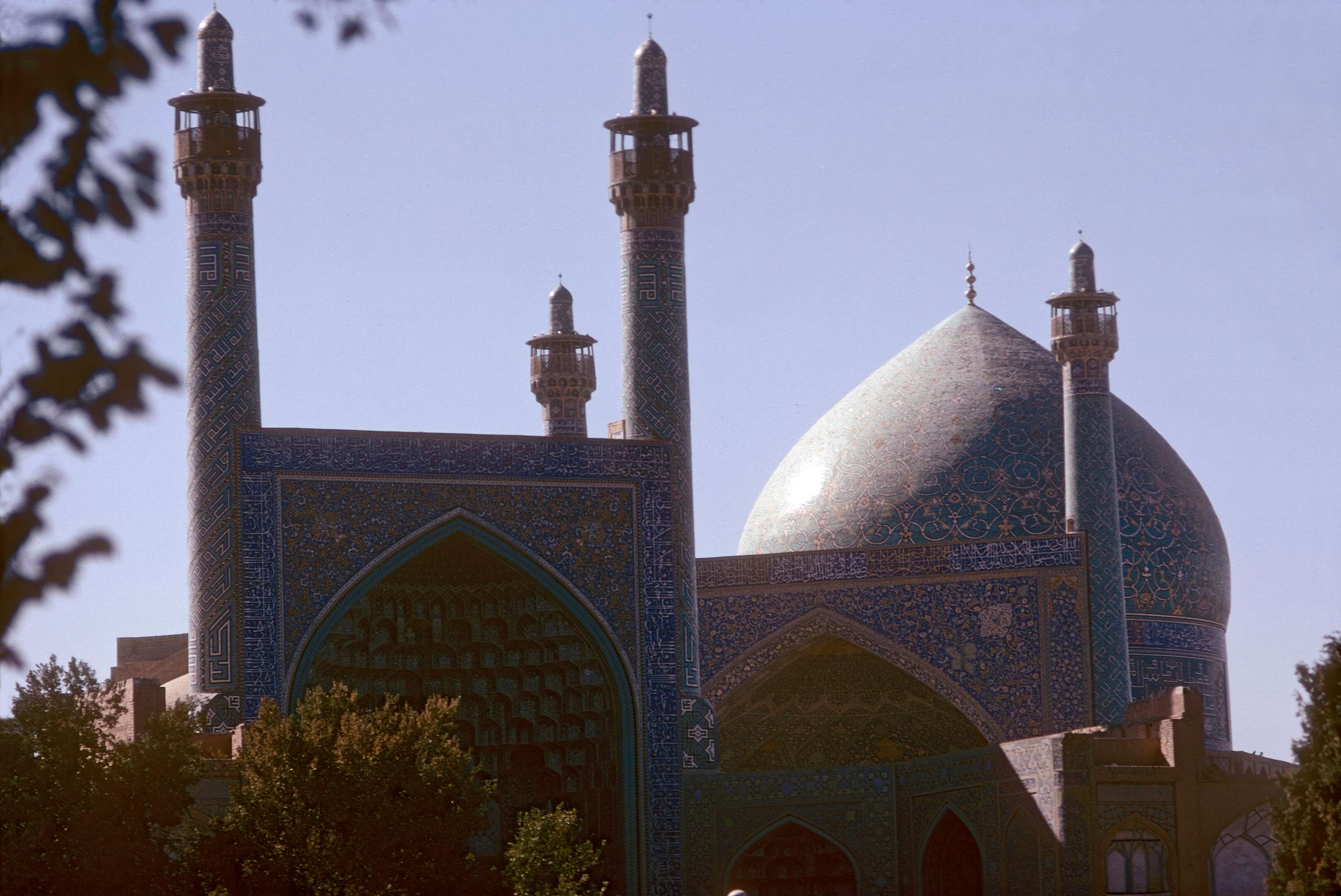
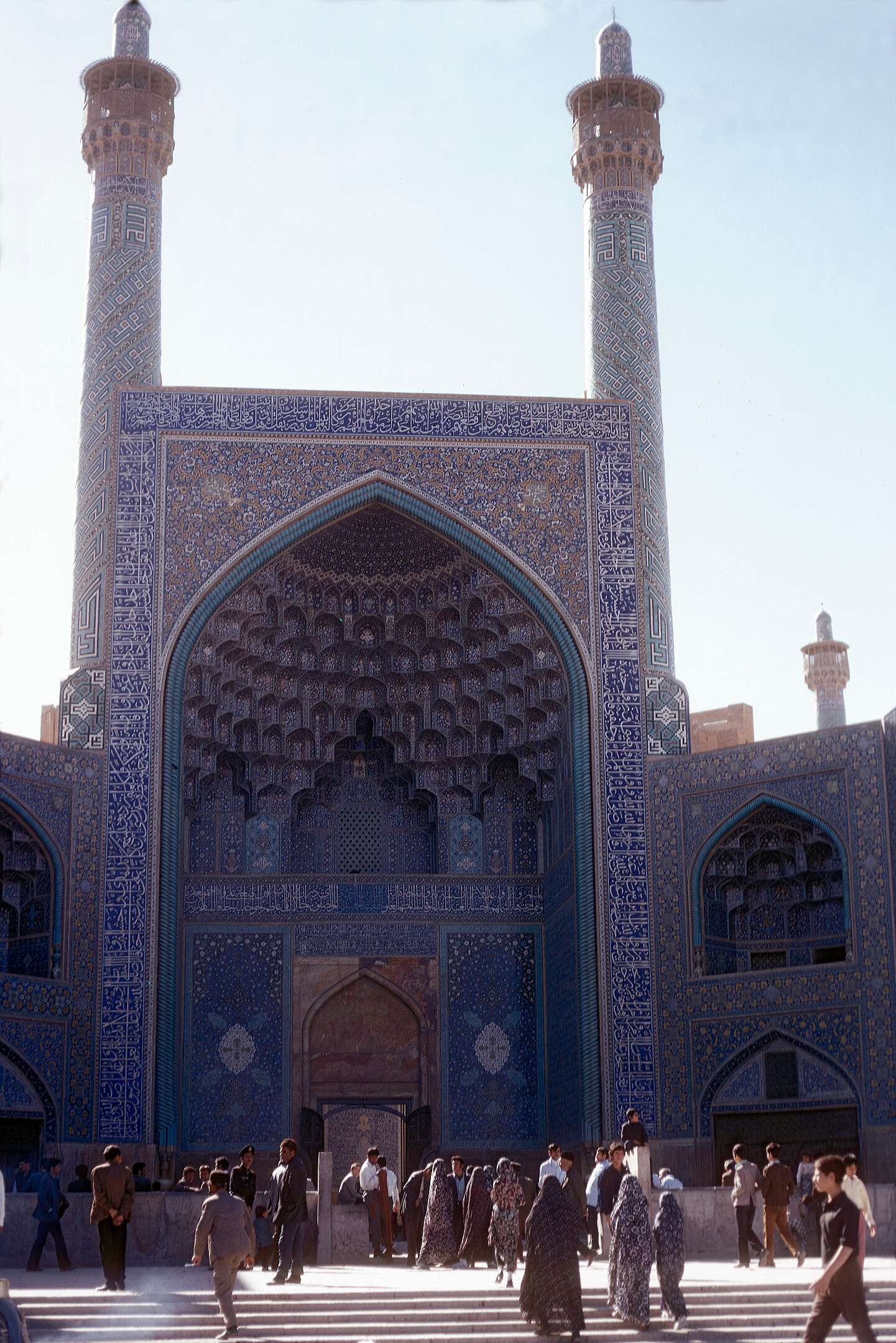
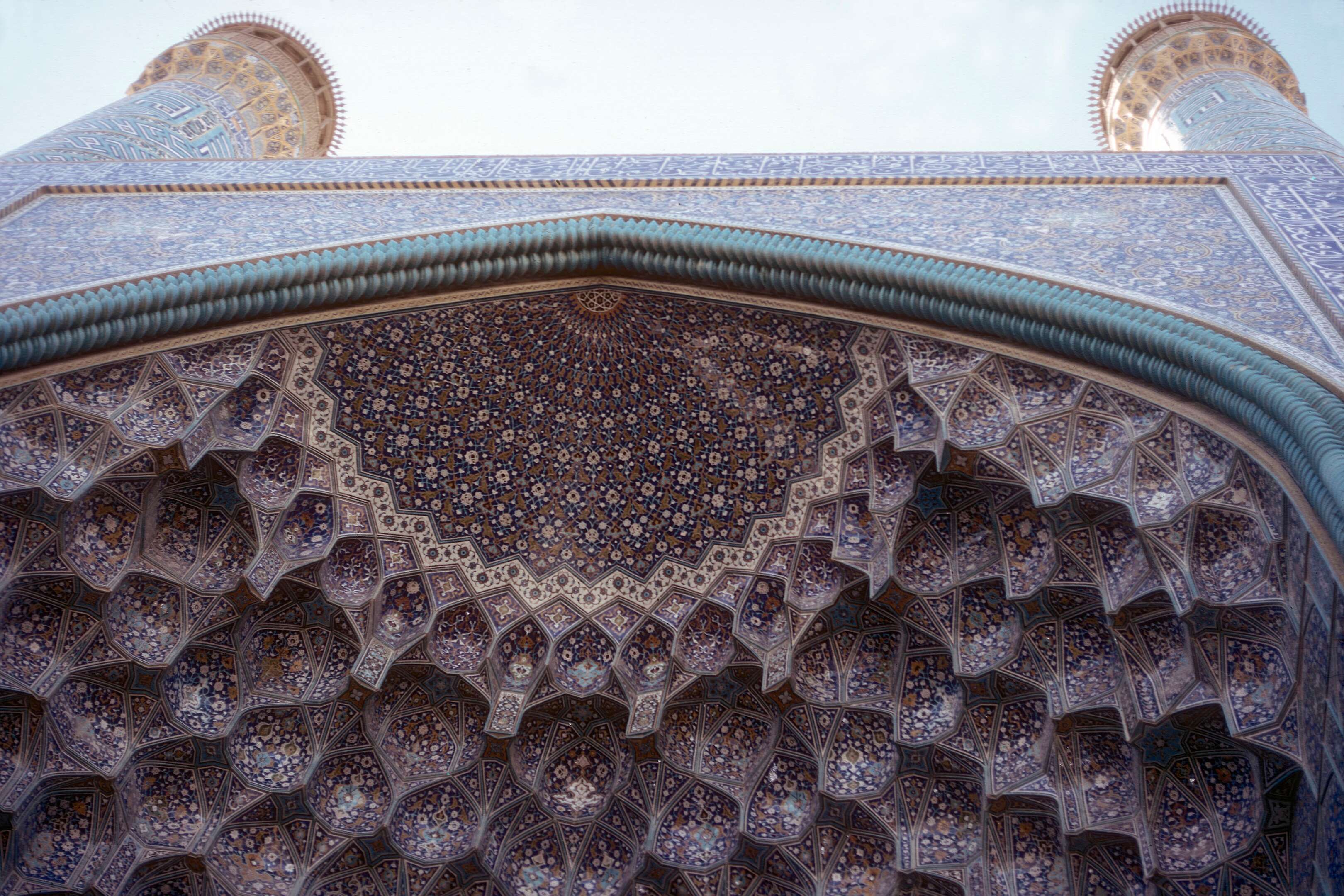
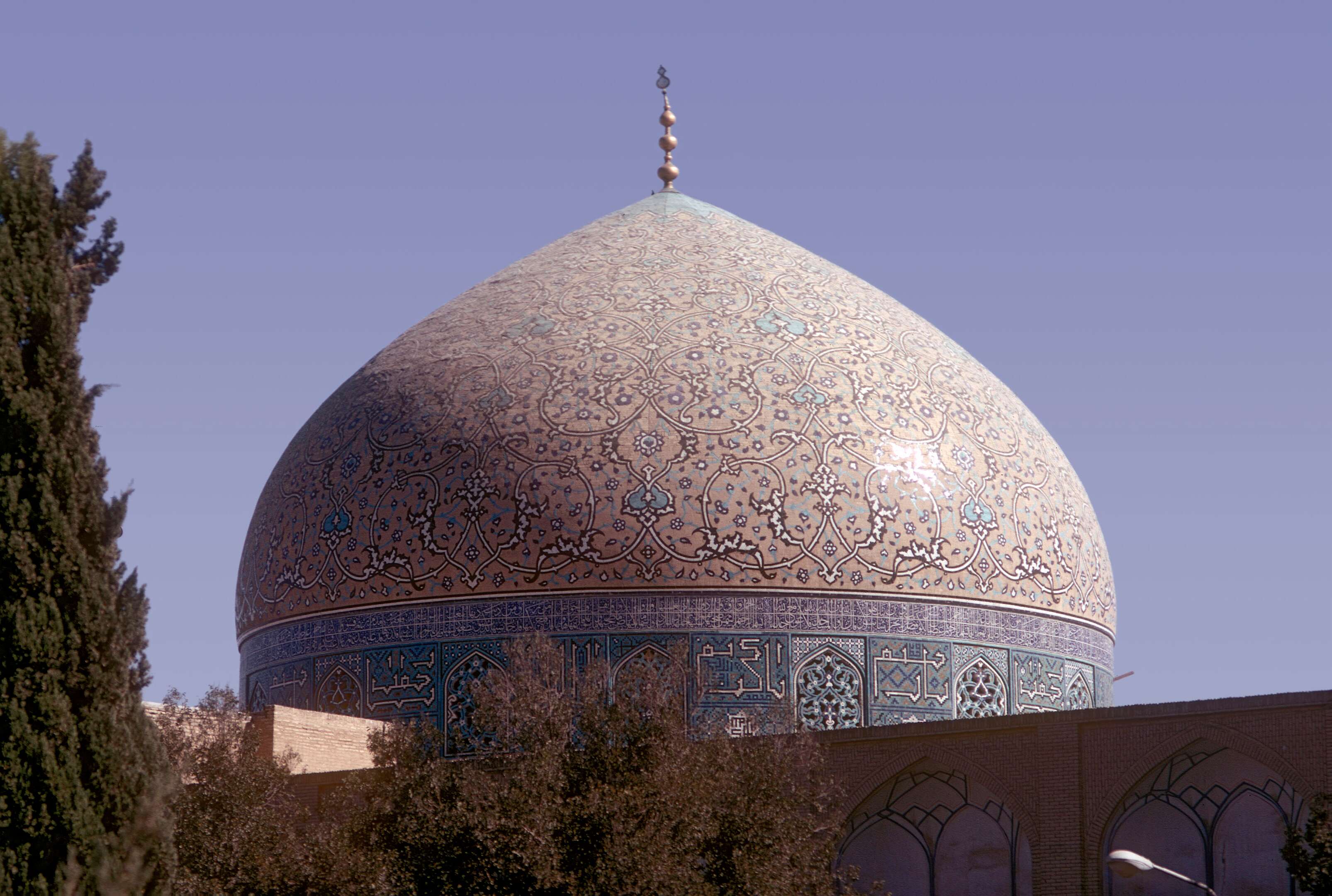
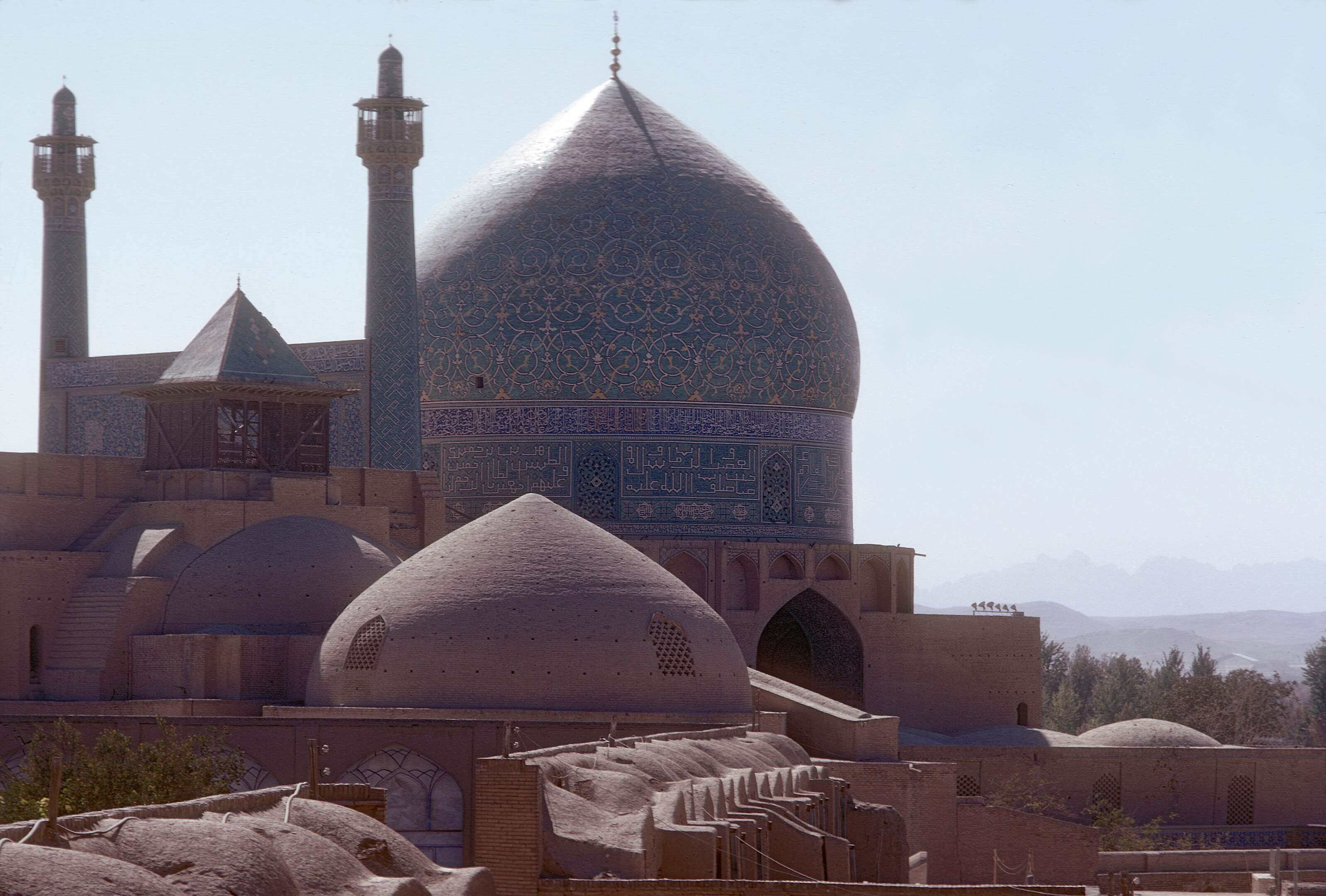
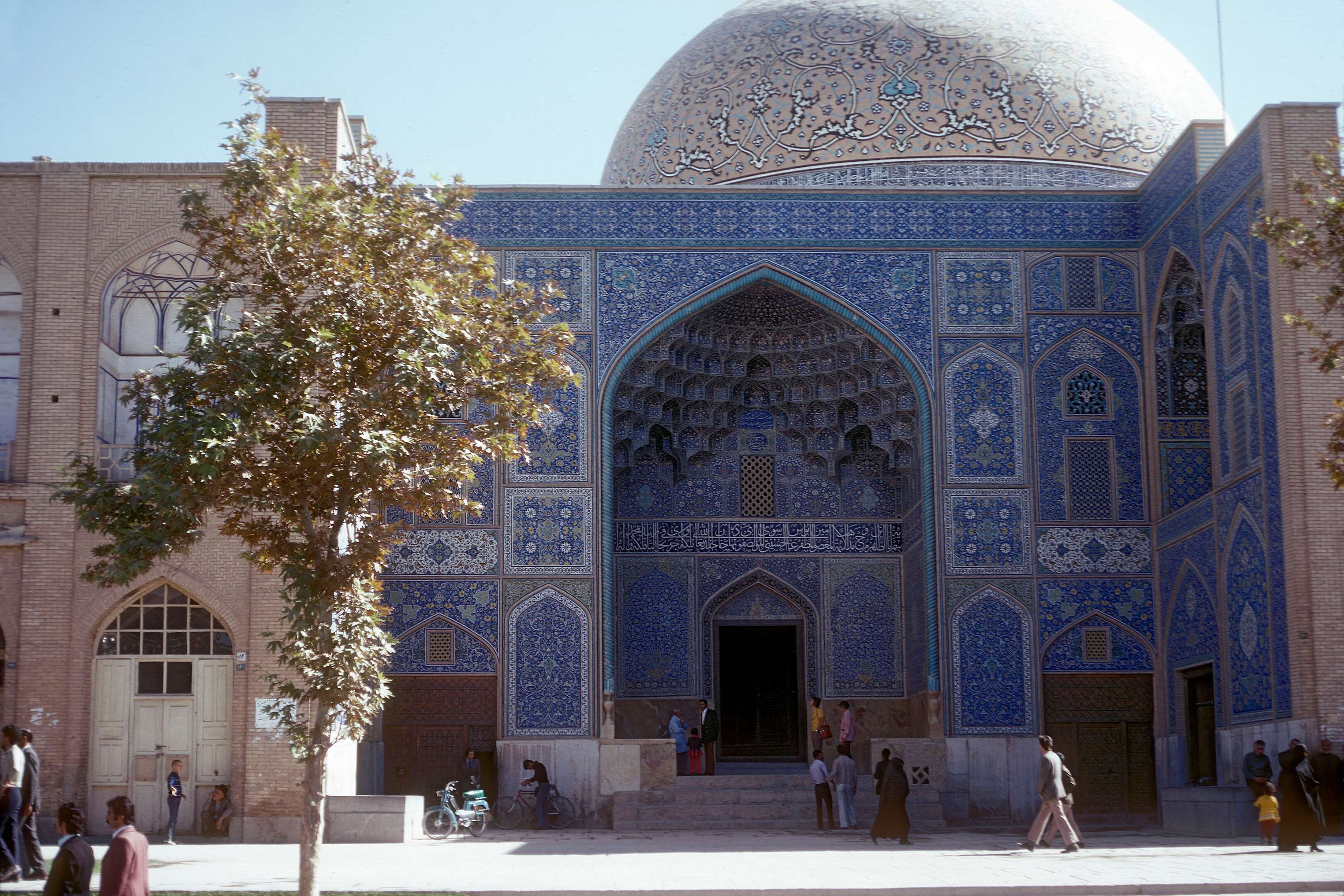
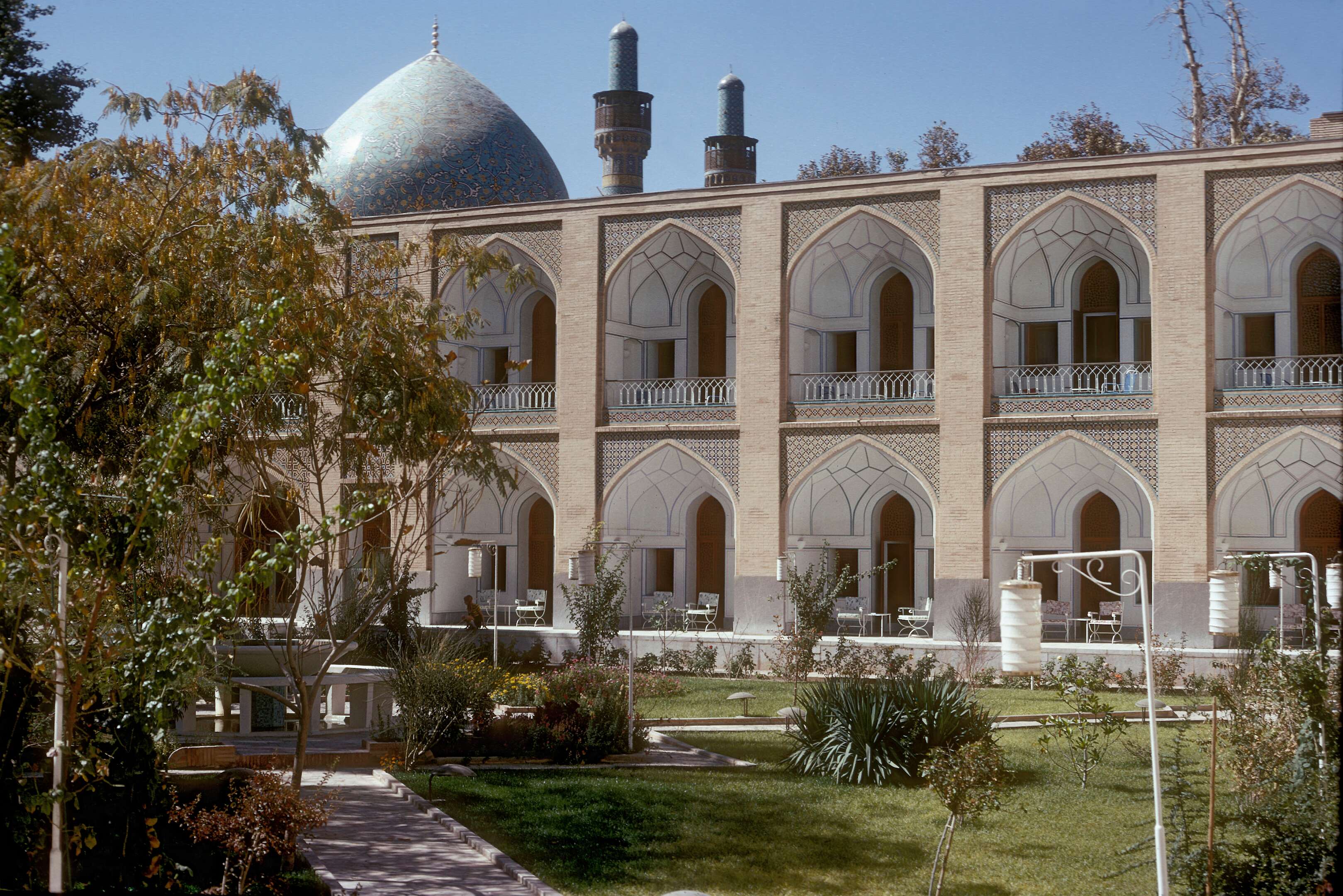
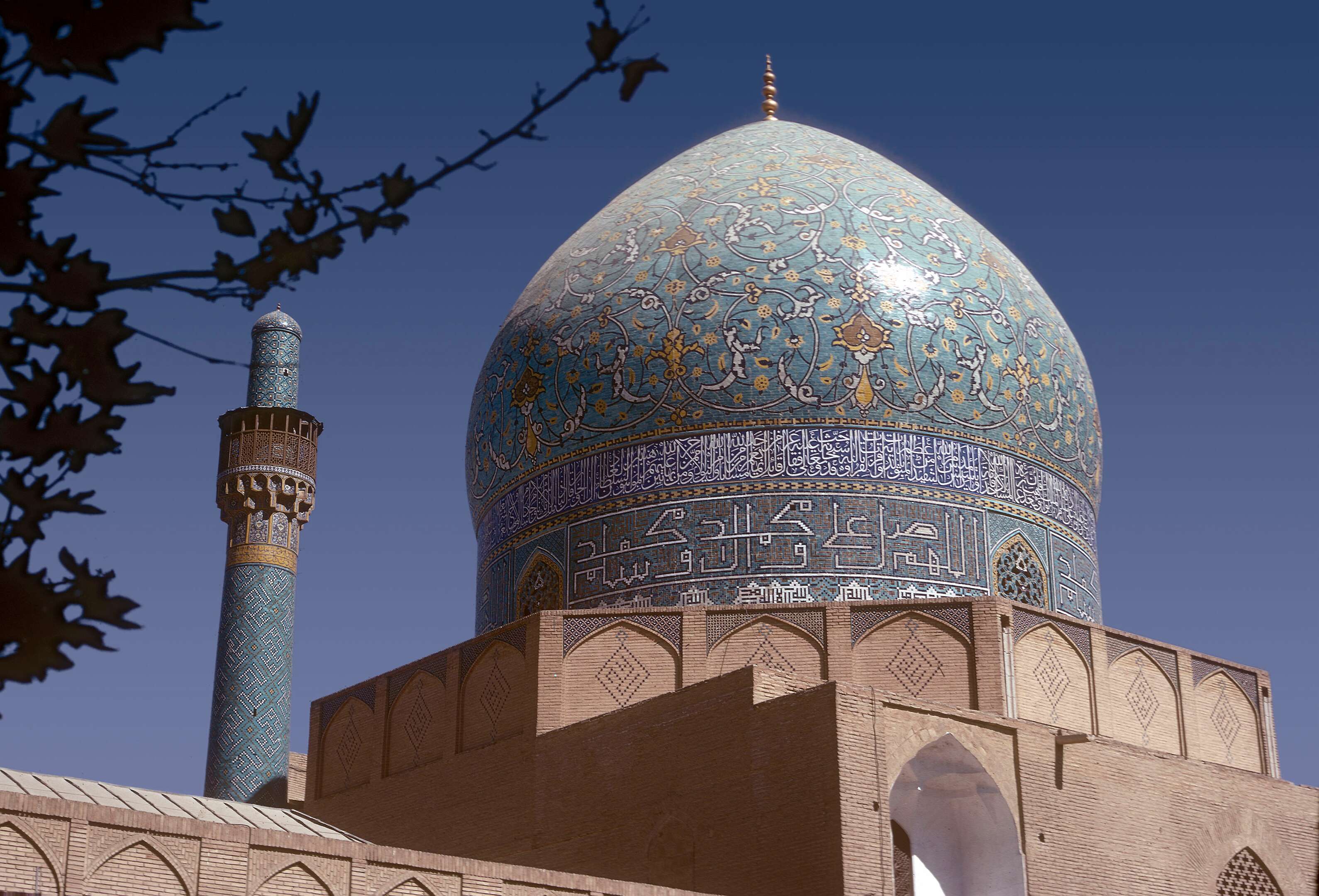
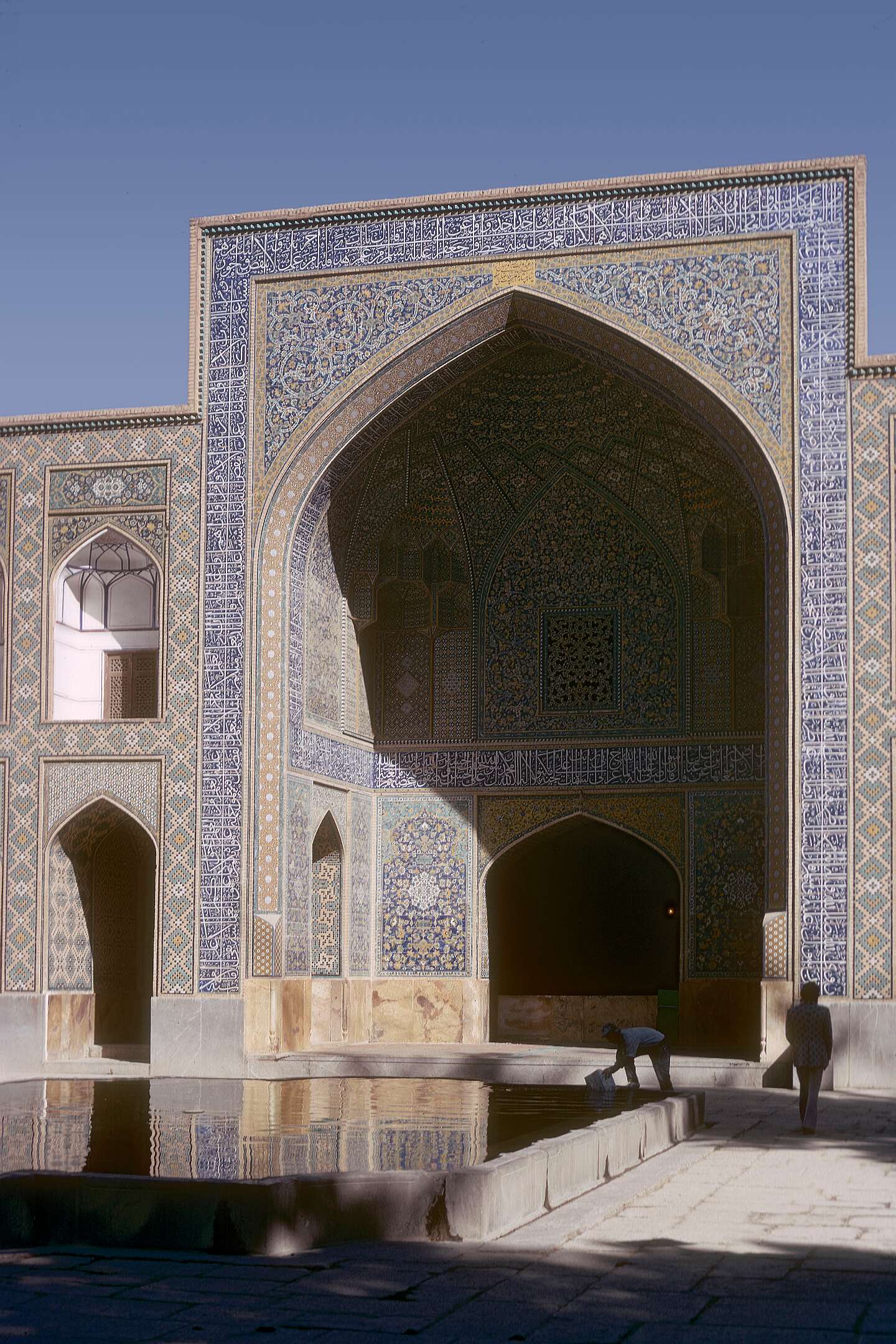
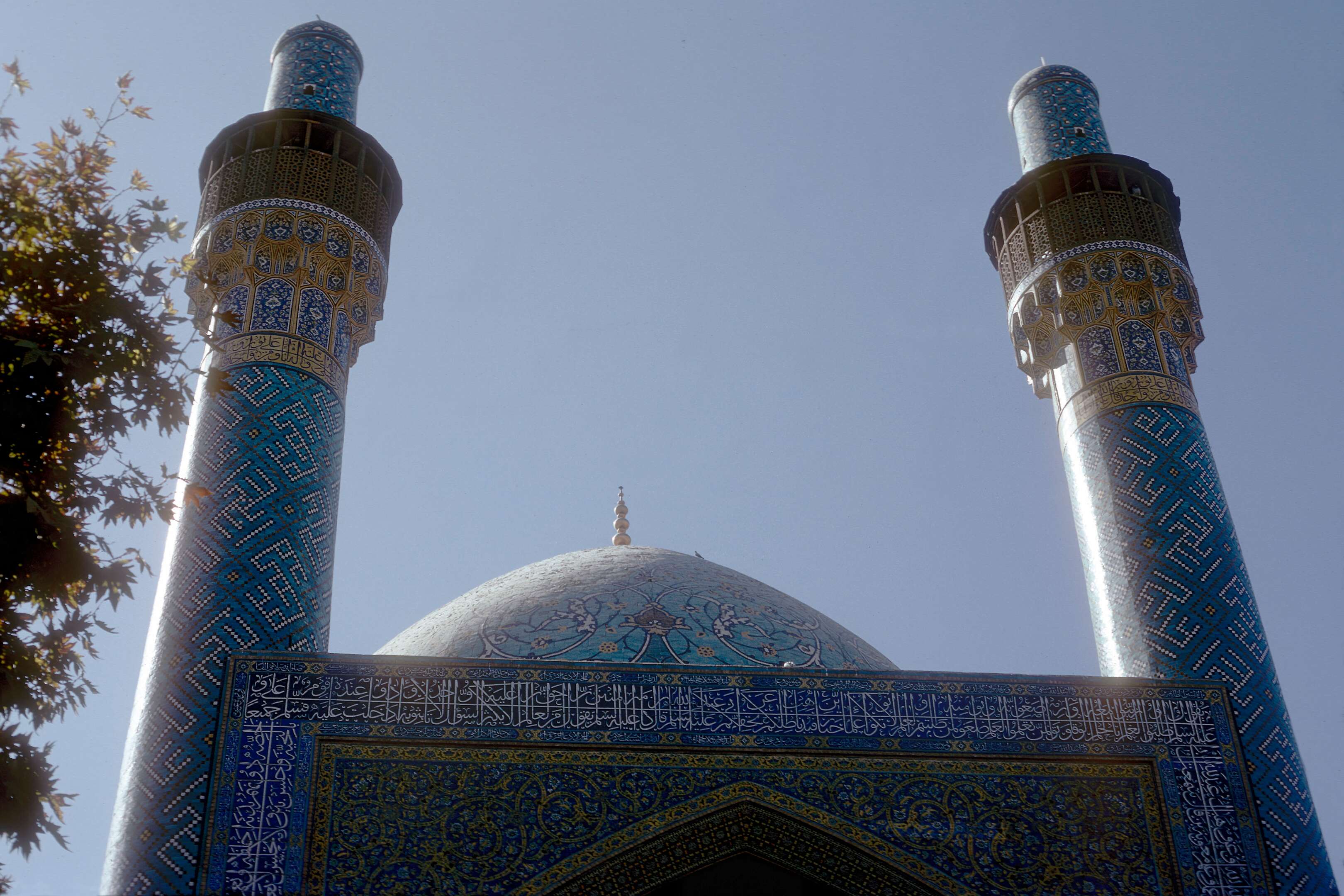
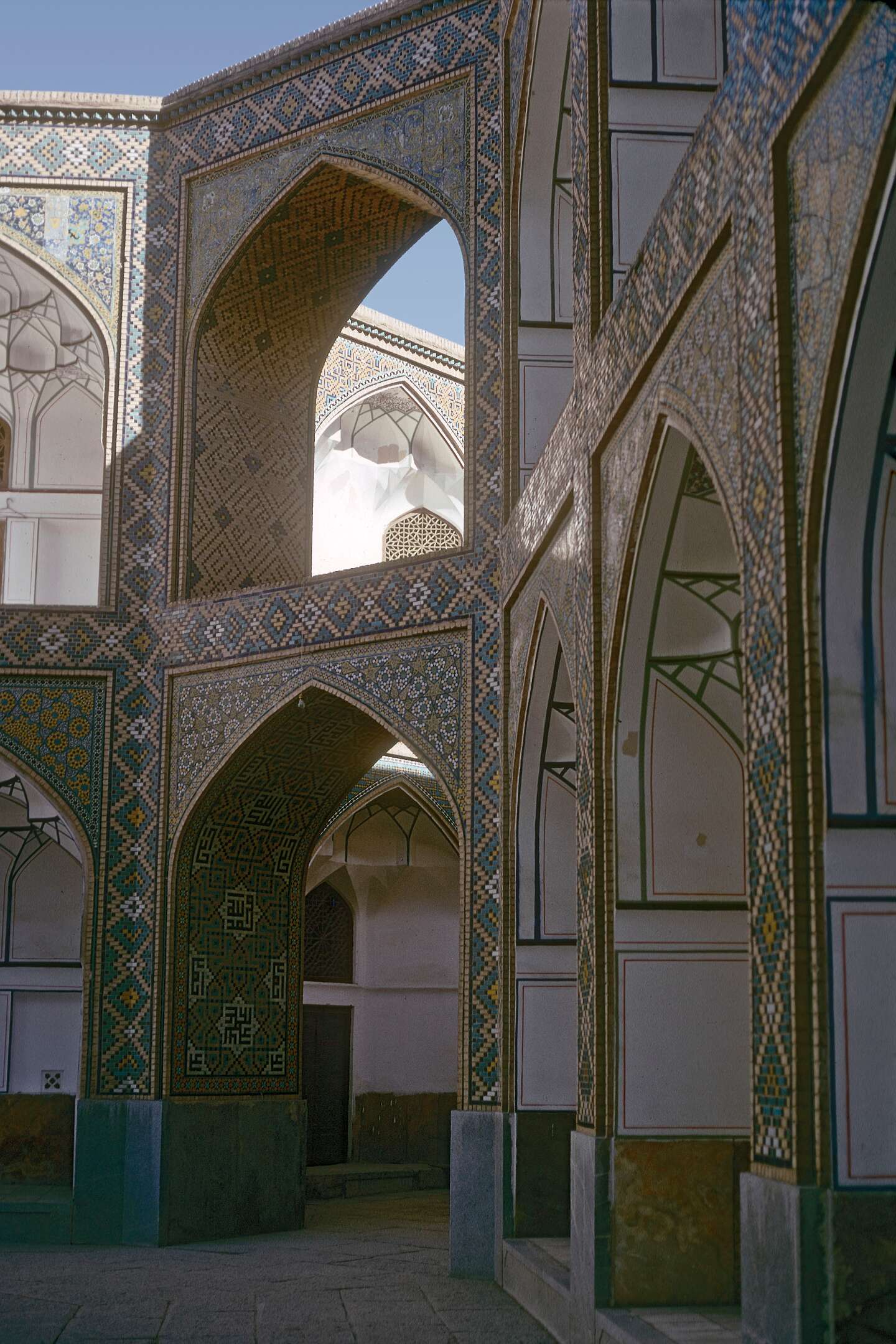
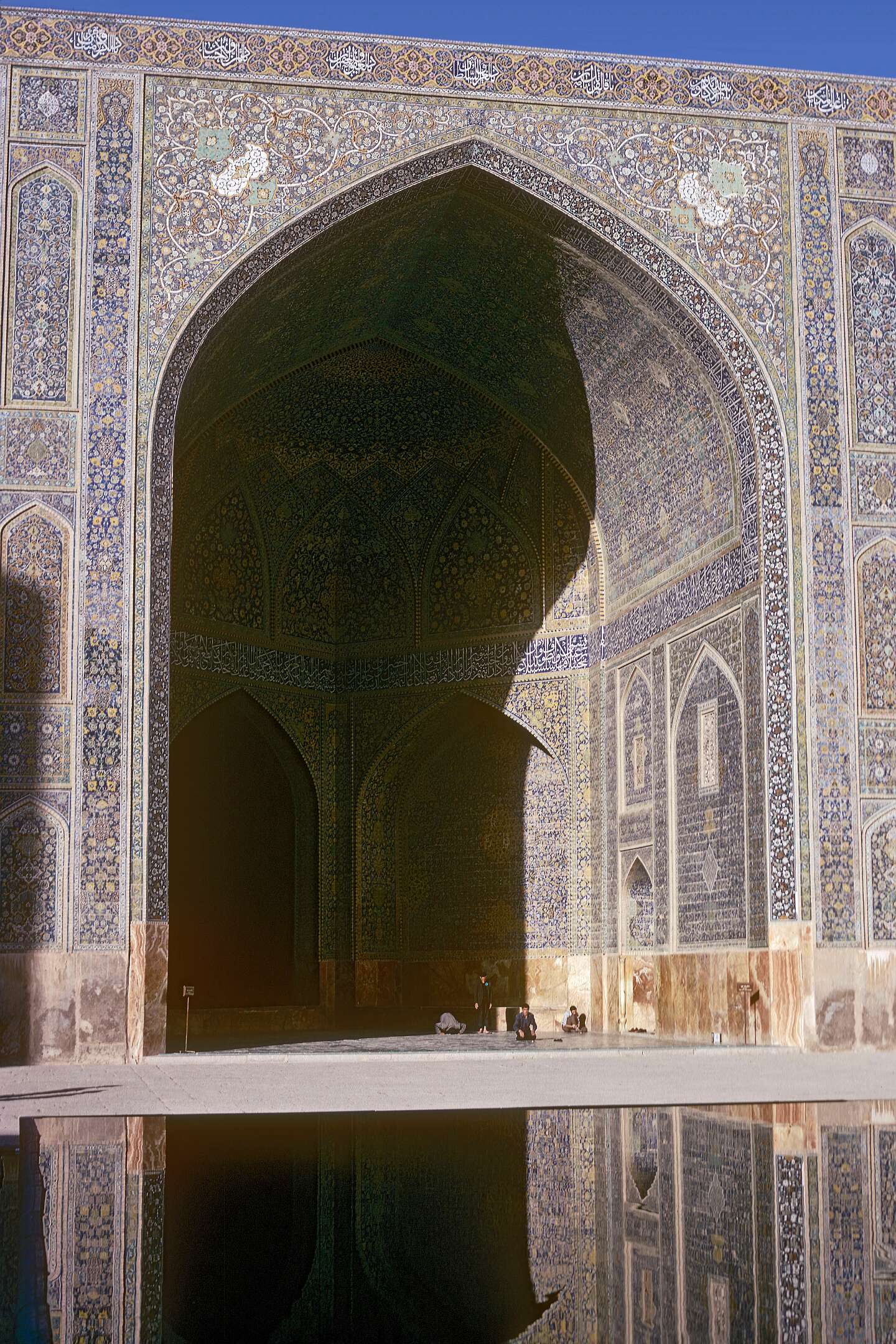
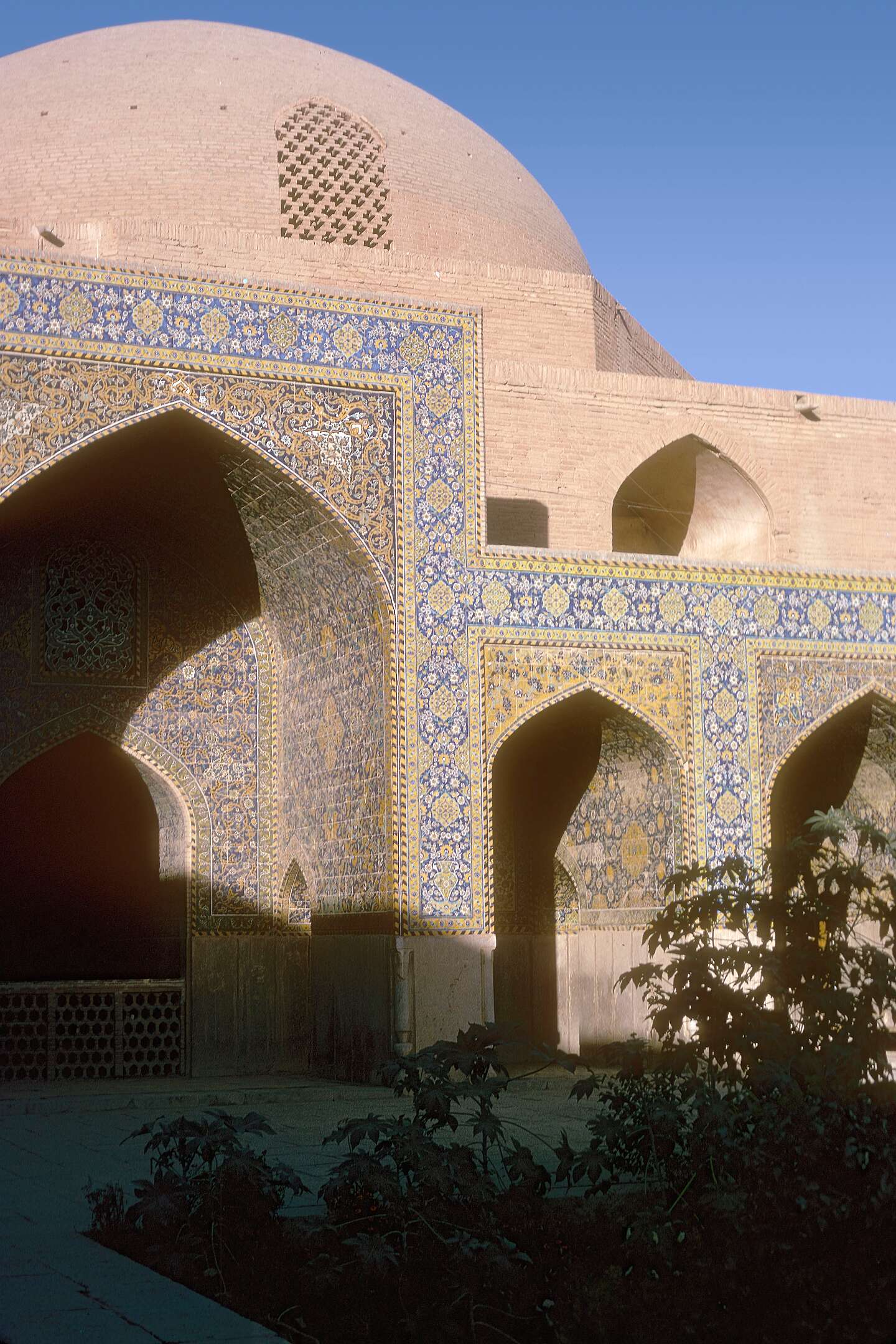
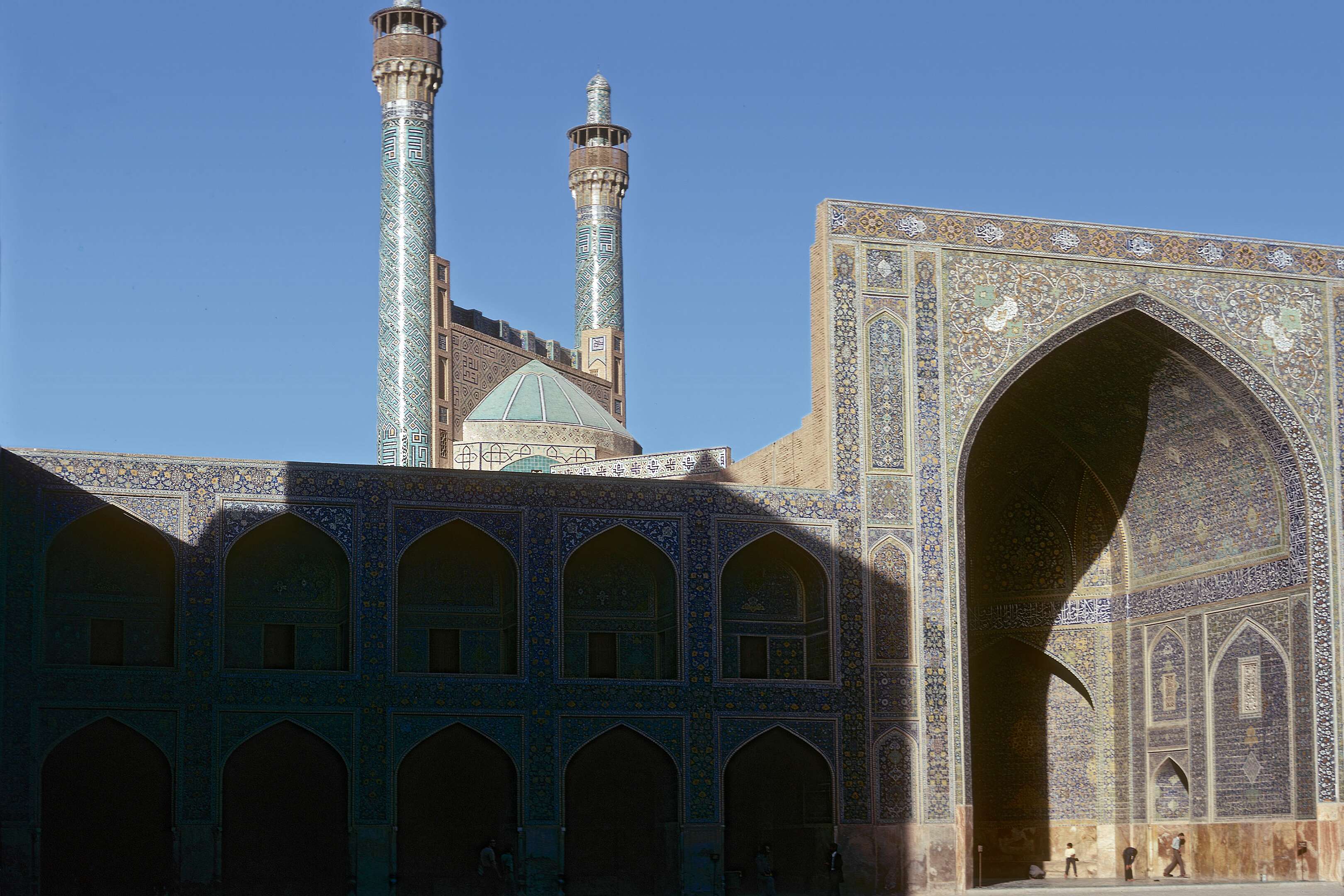
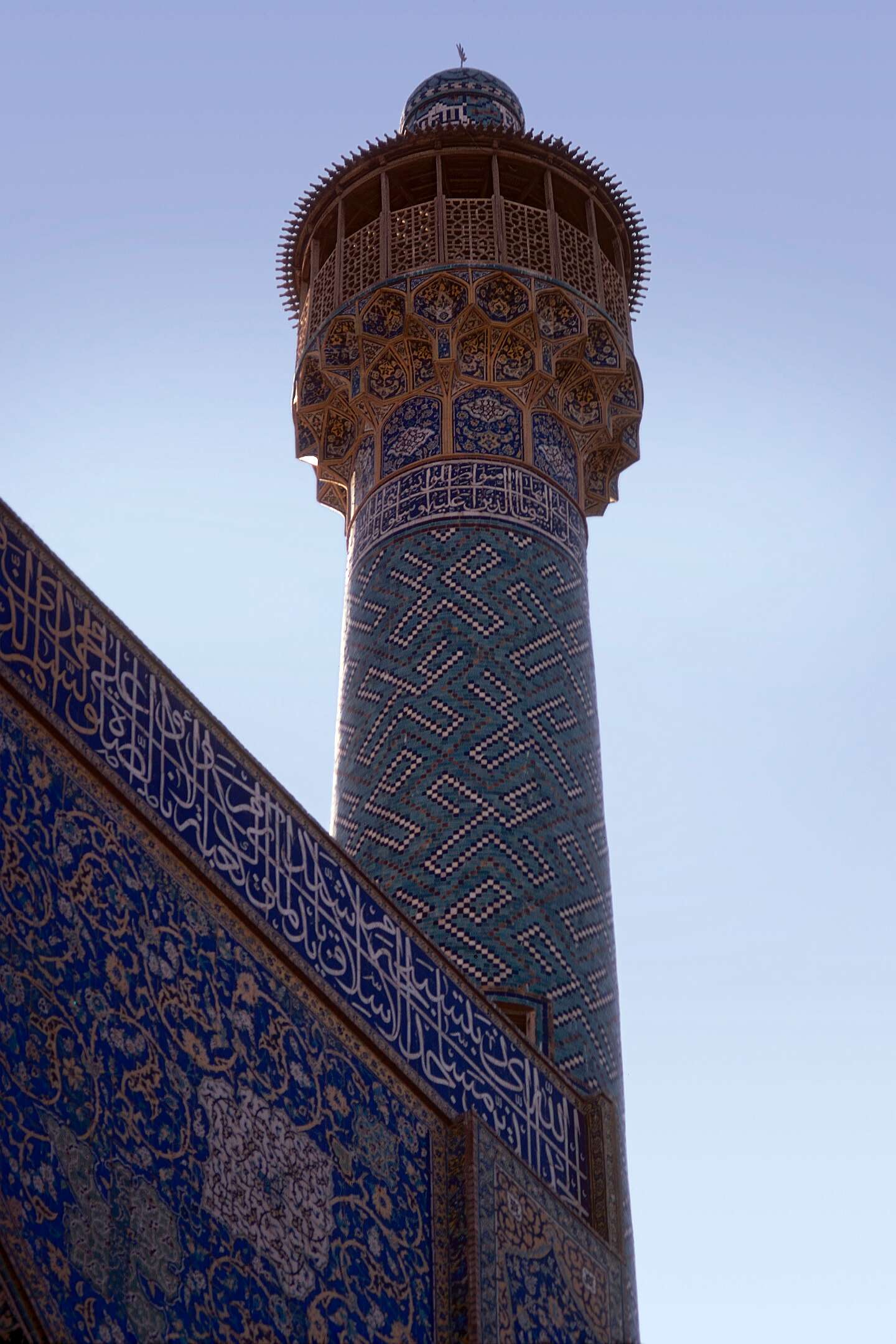
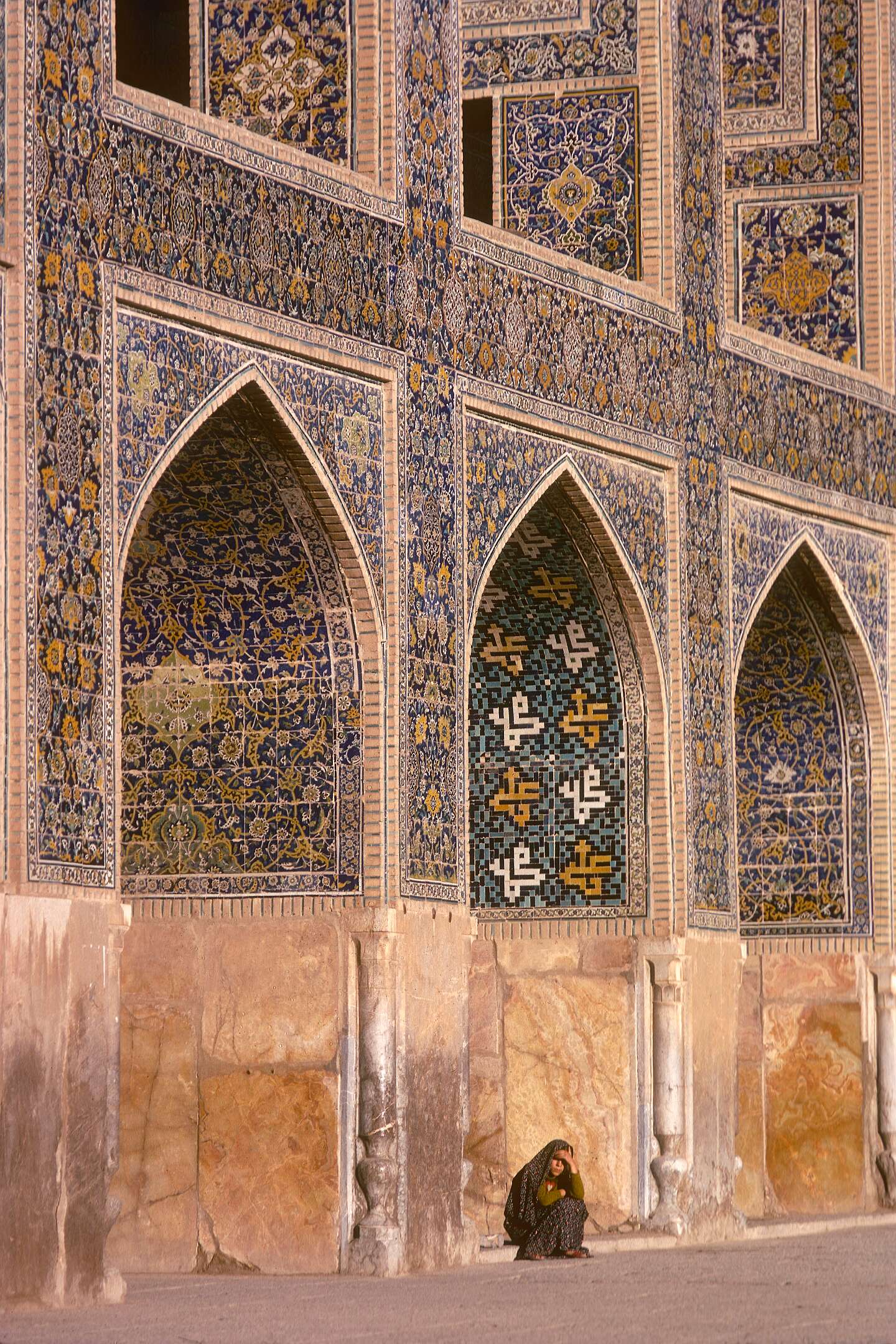
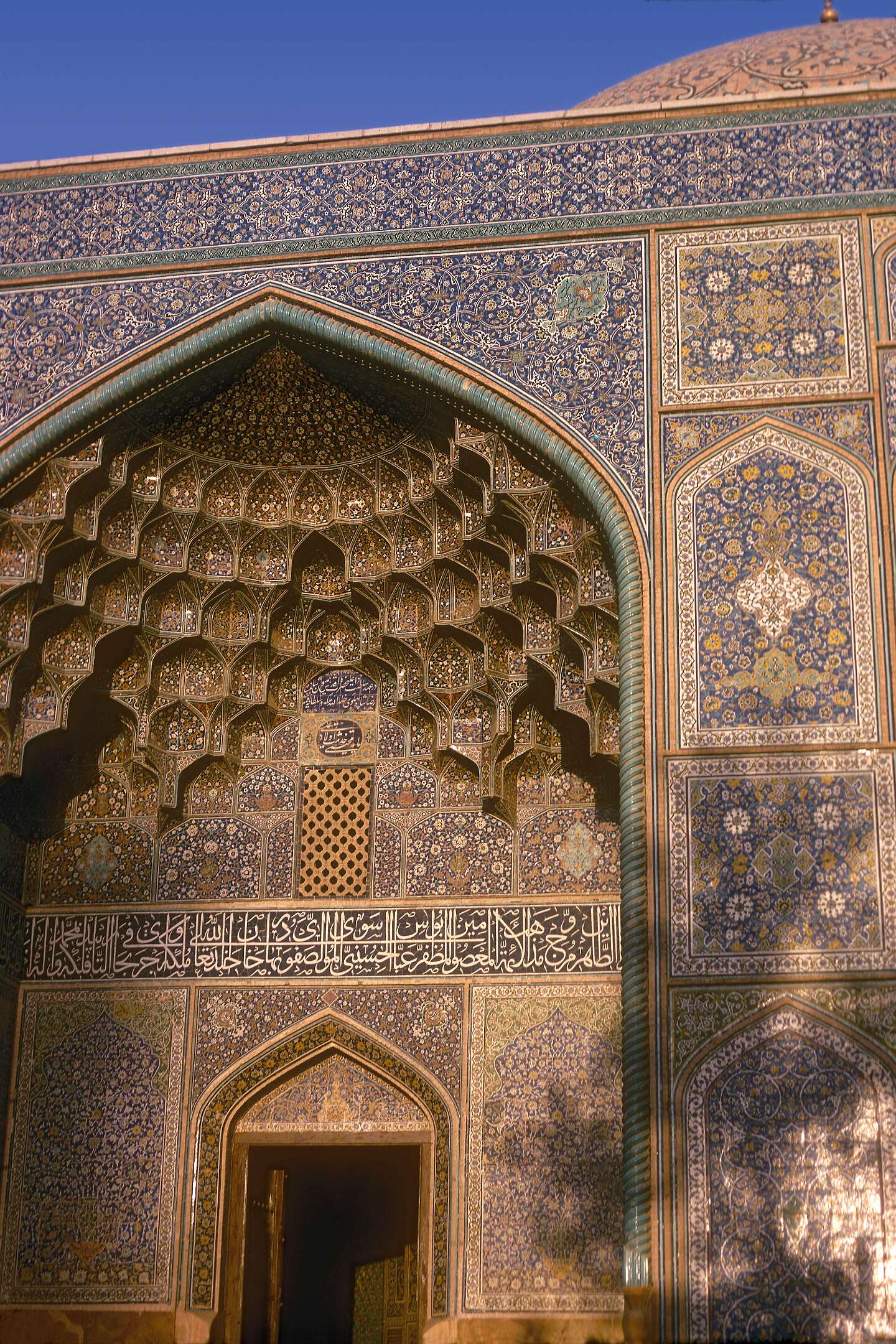
Isfahan is renowned for its mosques, which embody centuries of Islamic architecture. The most important is the Great Mosque of Isfahan (Masjed-e Jameh), whose origins date to the 8th century. Continuously expanded over a millennium, it combines Seljuk, Ilkhanid, and later styles into a vast complex organised around four iwans and crowned by monumental domes. From the Safavid period come some of the most celebrated monuments. The Shah (now Imam) Mosque, built in the early 17th century on Naqsh-e Jahan Square, is famed for its huge dome, four minarets, and intricate blue tilework, representing the height of Persian-Islamic design. The nearby Sheikh Lotfollah Mosque is smaller and more intimate, notable for its single-domed chamber and refined decoration, originally serving the royal court.
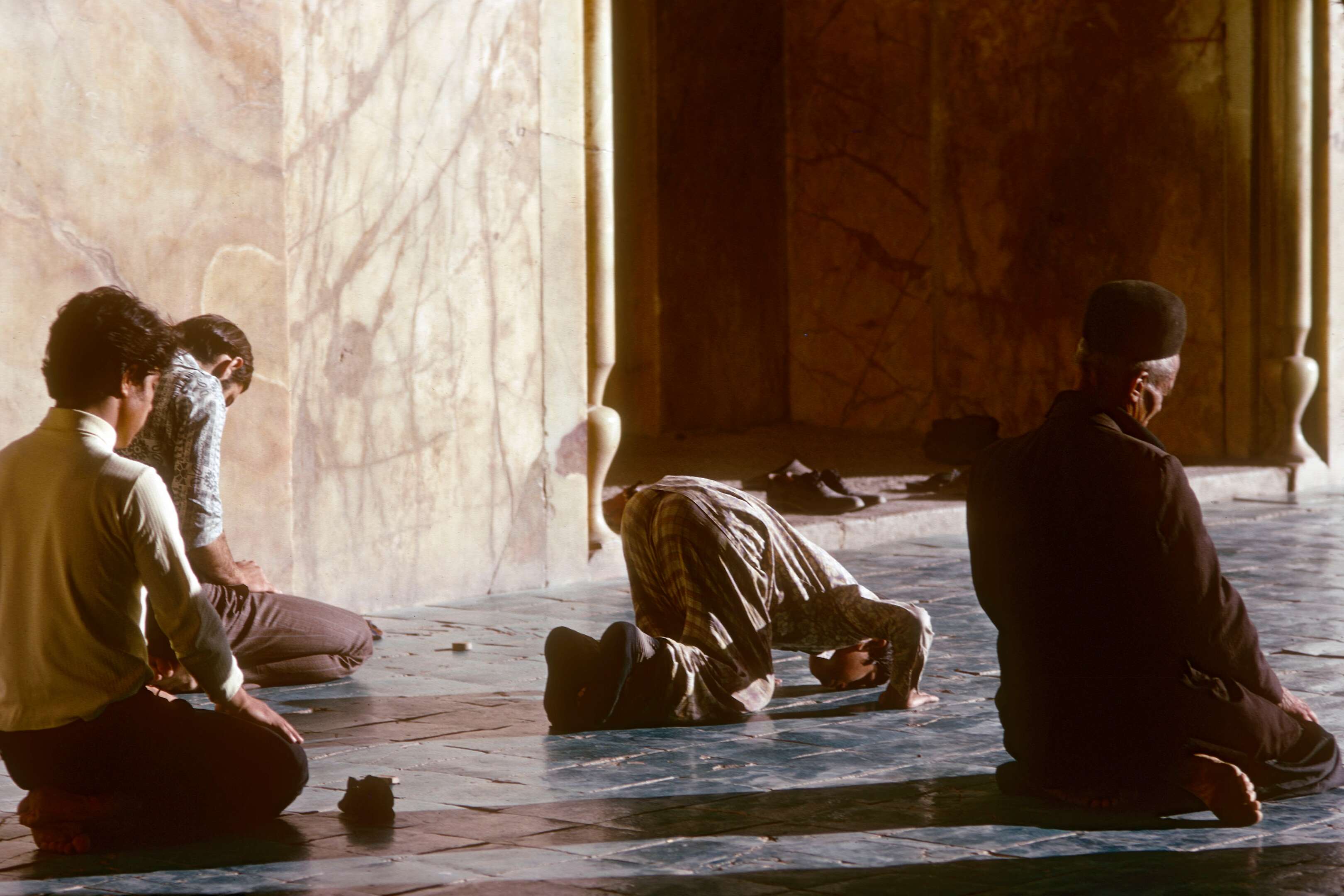
Other mosques, such as the Hakim Mosque, add to the city’s dense religious landscape. Together, these structures make Isfahan a living museum of Islamic architecture, reflecting both its political importance and enduring spiritual life.
Isfahan is renowned for its mosques, which embody centuries of Islamic architecture. The most important is the Great Mosque of Isfahan (Masjed-e Jameh), whose origins date to the 8th century. Continuously expanded over a millennium, it combines Seljuk, Ilkhanid, and later styles into a vast complex organised around four iwans and crowned by monumental domes. From the Safavid period come some of the most celebrated monuments. The Shah (now Imam) Mosque, built in the early 17th century on Naqsh-e Jahan Square, is famed for its huge dome, four minarets, and intricate blue tilework, representing the height of Persian-Islamic design. The nearby Sheikh Lotfollah Mosque is smaller and more intimate, notable for its single-domed chamber and refined decoration, originally serving the royal court.
Other mosques, such as the Hakim Mosque, add to the city’s dense religious landscape. Together, these structures make Isfahan a living museum of Islamic architecture, reflecting both its political importance and enduring spiritual life.